A mountain gives you a wonderfully obvious destination. Look up. Go there. A Short Hike then surrounds that simple instruction with paths, water, people and little reasons to reconsider the next ten steps. The interesting question becomes how you want to spend the journey.
Adam Robinson-Yu's exploration game takes place in Hawk Peak Provincial Park. PlayStation's official description introduces Claire, a young bird visiting her aunt, and her decision to climb the mountain. It is a compact setup with room for a useful kind of freedom: knowing where you are heading without having every moment chosen for you.
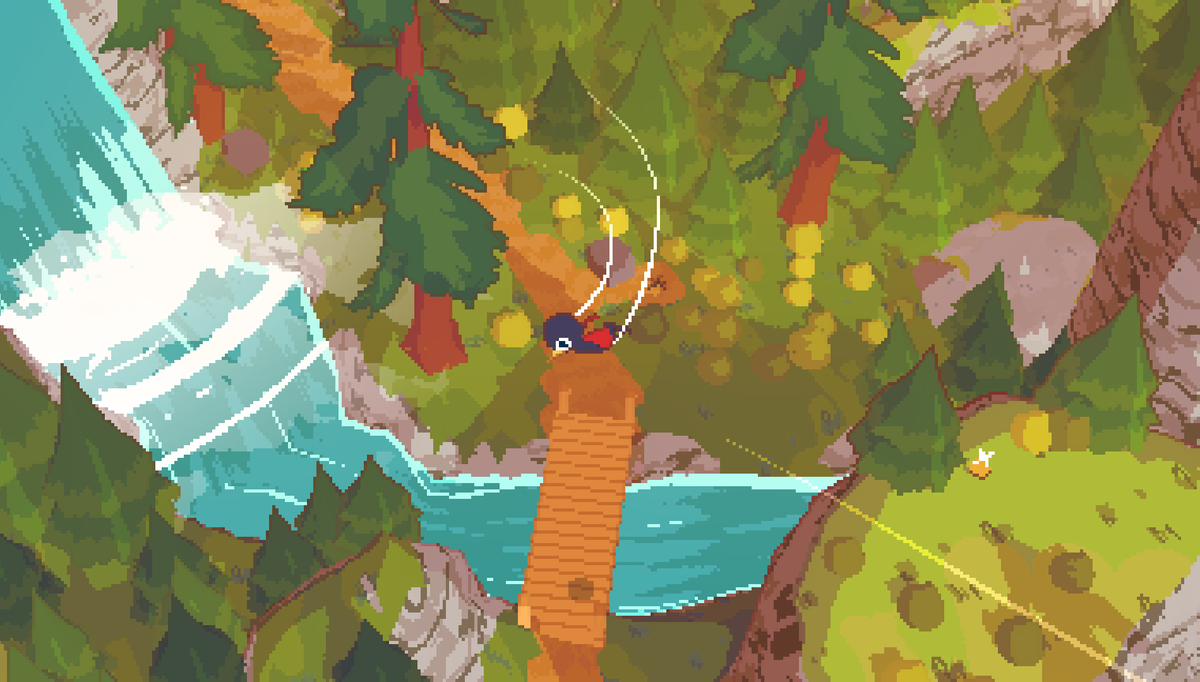
Our reading is that the island's small scale is central to that freedom. A place becomes interesting when you start recognizing how its parts connect. A longer walk does not automatically produce a better adventure. Sometimes it just produces a longer walk, which actual hiking has already covered quite thoroughly.
Let the trail teach you the place
The developer's press kit presents marked trails and backcountry exploration as alternatives. That gives a new player a sensible first choice. Follow the visible route while you get comfortable, or investigate something nearby when it catches your attention. Neither approach needs to become a permanent identity.
Our suggestion for a first visit is to notice a few landmarks before pursuing every distraction. Where did you last cross the water? Which way did the path bend? What looked interesting above the trees? These are observations you can make for yourself, rather than another checklist to complete.
Learning a small place gives your decisions some context. A bridge can become a reference point, and a distinctive stretch of shoreline can help organize what you have seen. The pleasure comes from forming your own picture of the island, rather than treating the route as a line to obey.

Golden feathers make height an invitation
PlayStation confirms that collecting golden feathers helps Claire fly and reach higher places. That is the consequential fact for a newcomer. You do not need a spreadsheet of every collectible before understanding why another feather might be useful.
Our interpretation is that movement upgrades work especially well in a landscape you can recognize. An interesting ledge or distant patch of scenery gives a new capability somewhere to matter. The reward has a direction: you can connect an improvement to a place you wanted to investigate.
A practical approach is to keep an appealing destination in mind while exploring elsewhere. If something seems awkward to reach, take another route or pursue another interest before returning. Let curiosity choose the next stop instead of insisting that the first route has to work.
The distinction matters because a guide can accidentally flatten this kind of game. Exact coordinates and an optimized collection order may be useful later, but they can also replace the pleasure of noticing an opportunity yourself. Give the island a chance to introduce its possibilities before outsourcing the entire walk.
Other people give the landscape a social purpose
The developer describes meeting other hikers and potentially helping one another. That makes stopping part of the game's invitation. A character along the path can offer a reason to pay attention to something besides elevation.
Our take is that this changes how an optional encounter feels. A mountain route can be read purely as terrain to cross. Put another visitor beside it, and the same location also becomes somewhere to have a conversation. The setting begins to feel inhabited without needing an enormous settlement or a dramatic introduction for everyone.
For a first session, try making room for one conversation simply because the person interests you. There is no need to turn every meeting into an efficiency calculation. Claire is visiting a park, not conducting a quarterly audit of everyone else's hiking performance.

Change the activity, then listen to the setting
The creator's itch.io page explicitly encourages fishing and swimming alongside the climb. It also credits Mark Sparling's soundtrack and describes music that changes dynamically during exploration.
Those details support a useful way to approach the game: alternate between pursuing the summit and spending time with a smaller interest. The destination can supply direction while the surroundings supply variety. You can be interested in reaching the top and still want to know what is happening beside the water.
Music belongs in that attention too. Our suggestion is to leave space to hear the game while moving between places. A changing soundtrack can help give exploration a sense of progression even when the immediate action is simply traveling. Notice the mood alongside the route; both contribute to the identity of a place.

Choose your next visit with Zypher
The game's official site links Nintendo Switch, PlayStation 4 and Xbox One releases, alongside PC storefronts. This feature is about its exploration design, not a claim of a new launch or a comparison based on firsthand platform testing.
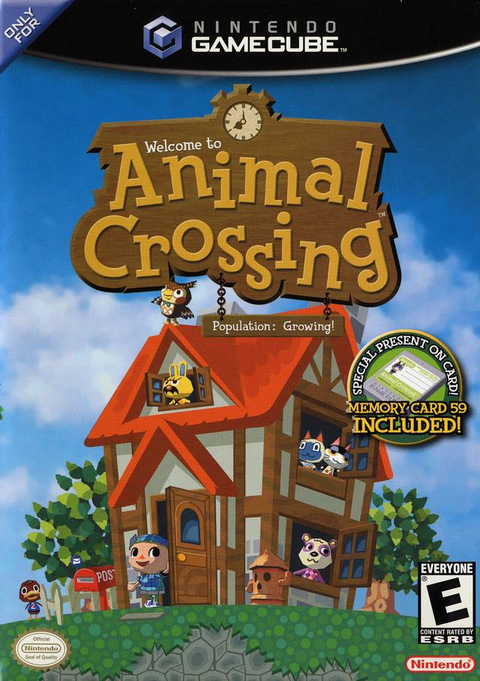
Shop your next game at Zypher. For other worlds to spend time in, compare our actual listings for Animal Crossing on Nintendo GameCube and Animal Crossing: New Leaf on Nintendo 3DS. Check the selected condition and included items for your system. These are separate games, not editions of A Short Hike. You can also browse Zypher's games or sell your old games to Zypher and make space for the next trip.
Sources and availability checked October 27, 2026. Design readings and first-session suggestions are Zypher editorial interpretation. Featured gliding scene and all inline images are unmodified screenshots supplied in the creator's official press kit.