Diablo II: Resurrected’s history includes a surprisingly specific complaint: Hell had acquired too many grunts. The development record gives that complaint company: unusual prototypes, familiar names in unexpected places and decisions about what to change before release.
Here are ten documented details about the remaster’s development and early evolution. The scope matters: these are launch-era decisions and the original Terror Zone development story, not a description of every later patch or expansion. The commentary is Zypher’s reading of Blizzard’s accounts, not a claim of fresh hands-on testing.
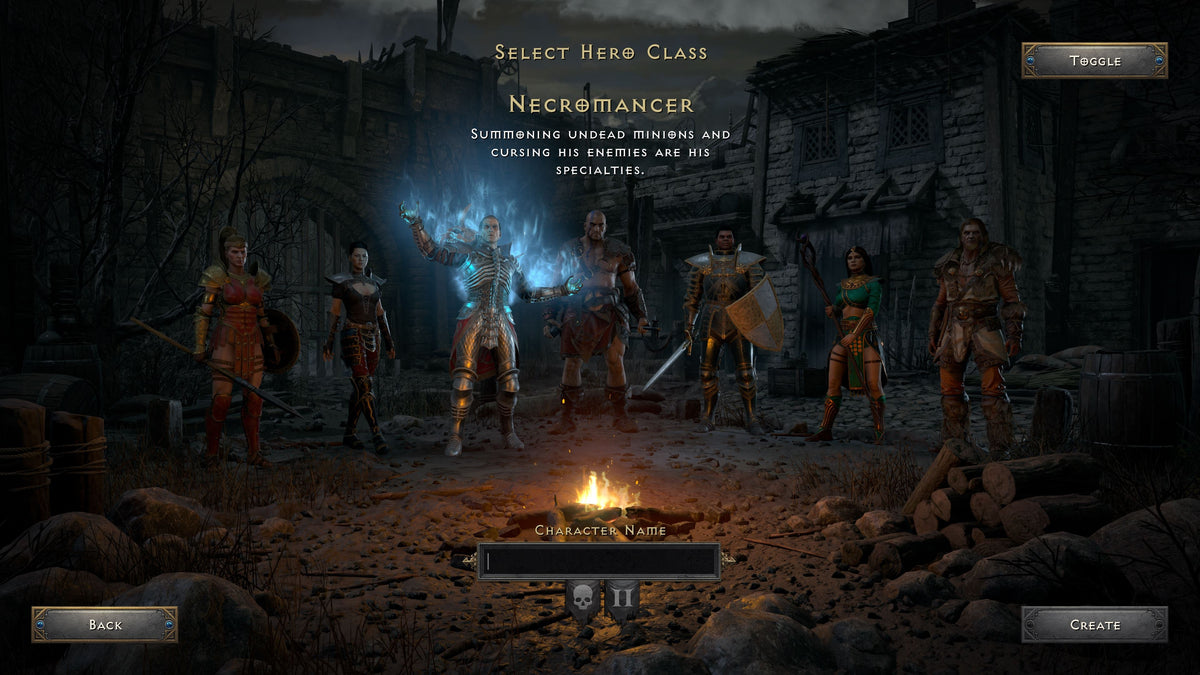
Featured image: the Necromancer selected in Blizzard’s 2021 launch character screen. All images are unaltered publisher-supplied launch captures, not screenshots of later Terror Zone updates. © Blizzard Entertainment.
1. Players helped remove extra grunts and yelps
Blizzard’s alpha-feedback report records removing additional vocal sounds introduced during development. It is a small change with a very Diablo-shaped implication: an effect heard repeatedly deserves careful judgment. Sometimes a remaster benefits from taking something back out. The demons already have enough ways to interrupt an evening without expanding the grunting department.
2. Lightning had to look more like the old Lightning
In its prelaunch alpha-feedback report, Blizzard says it made the Sorceress’s Lightning effect thicker and whiter to better resemble the original. More detail was not the only target. Recognizability mattered too. A spell can become technically fancier while moving away from the thing players remember casting.
3. Two developers had a Tony Hawk connection
In Blizzard’s developer retrospective, Robert Gallerani’s first shipped game was the GBA Tony Hawk’s Pro Skater 2. Michael Clavell’s first was a remaster of the original PlayStation title. Their résumés share a surprisingly specific starting point.
4. The Necromancer and Assassin skipped the open beta roster
The announced beta offered five of the launch game’s seven classes, leaving the Necromancer and Assassin for release. That is a useful historical distinction when looking at old footage. An absent class in a beta video is not proof that it was missing from the finished launch. Always read the label on the build.

5. The shared stash grew before release
Blizzard’s alpha report describes expanding the proposed shared stash from one tab to three, with 100 slots per tab. This is a documented development change, not a claim about the storage limits in every later edition. Our reading: a loot game’s storage is part of its appeal, not merely the cupboard between the interesting bits.
6. The old graphics were a button away
Blizzard’s launch announcement advertised switching to the original 800×600 presentation with a button. The legacy view belonged inside the remaster itself. That is a presentation feature, not a statement that the remaster and an original Diablo II installation are interchangeable products.
7. The cinematics were a 27-minute rebuilding job
The launch announcement describes recreating 27 minutes of the original cinematics. The work extended beyond making the playable dungeons sharper. Our take: a returning player’s memory can live in the storytelling between fights as much as in the fights themselves. Rebuilding that material was part of rebuilding the game’s identity.

8. One Terror Zone prototype made everything level 96
Clavell recalls an early version setting an entire area to level 96 without player scaling. Lower-level playtesting exposed the problem. The prototype needed to account for who was entering it.
9. Players found a monster-herding wrinkle
The retrospective records players moving non-Terrorized monsters into a Terror Zone, leaving for town and returning to find them Terrorized. This is historical, not a current-build promise. Nearby monsters had received an extremely unwelcome change of address.

10. Sundering Charms came with a personal downside
Blizzard describes the original Sundering Charm tradeoff: breaking a monster immunity also reduced the character’s corresponding resistance. Our reading is that the solution carried another equipment decision. It answered one problem while giving the player a reason to reconsider their own protection.
Build your Diablo shelf with Zypher
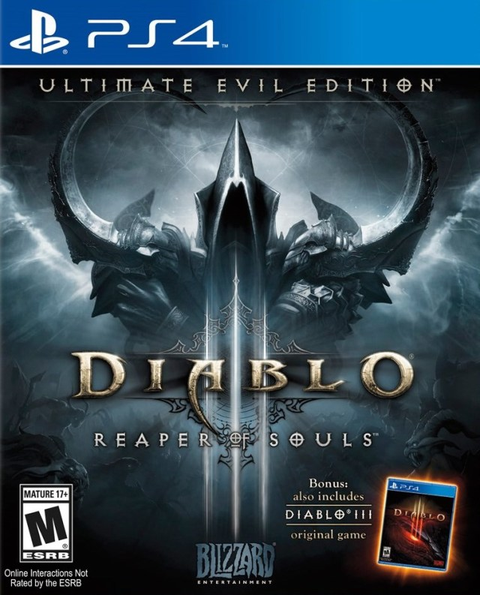
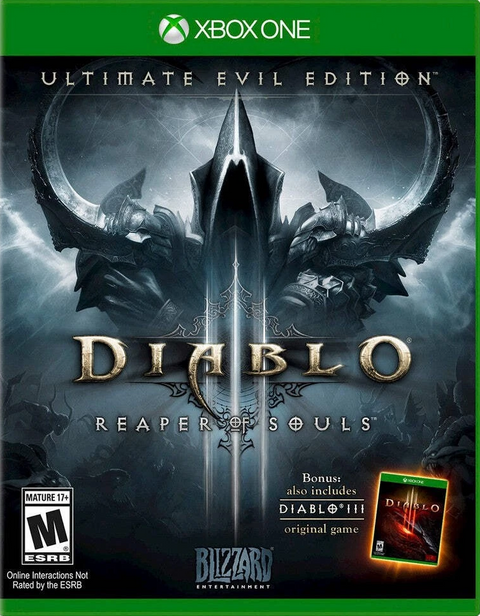
Buy your next physical game from Zypher Trading Video Games. For a different Diablo adventure, browse Diablo III: Reaper of Souls, Ultimate Evil Edition for PS4 or the Xbox One edition. These are Diablo III releases, not Resurrected editions. Check the selected copy’s condition and included contents.
Shop Zypher’s games, or sell your old games to Zypher. Sources and native listings checked November 6, 2026.