Zypher XP | Franchise Deep Dive
You can start a Grand Theft Auto session with a mission in mind and finish it remembering the drive instead. A turn goes wrong, the police notice, the right song comes on, and suddenly the route has become the evening’s story.
That is the thread connecting the original Grand Theft Auto to GTA VI. The series keeps changing its camera, scale and cast, but it keeps returning to the same useful question: what happens when a city gives the player enough opportunities to get distracted?
Its history makes more sense through the places and people it builds than as a competition to draw the biggest map. Liberty City, Vice City and San Andreas each change the mood of a familiar act: getting into a vehicle and deciding what to do next.
The overhead games made the city a system you could read

The early perspective puts the shape of the streets in charge. You read junctions, traffic and escape routes from above. A car is a way to cross that layout quickly, and a mistake can turn an apparently clear route into an improvised escape.
Rockstar’s GTA 2 description adds an explicit struggle between gangs, with respect becoming part of making a name for yourself. The city is already more than a course to drive through: it contains competing groups whose interests help organize your criminal work.

The important inheritance is cause and consequence. A useful vehicle, a dangerous street and a sudden police response can combine into a situation that feels less controlled than the mission that started it. That possibility survives the move to 3D.
GTA III moved the player down into Liberty City
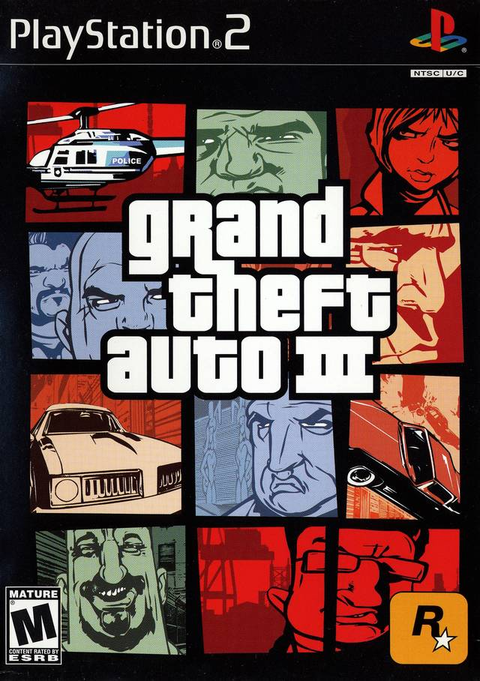
Grand Theft Auto III changes the relationship between player and street. An overhead map lets you see an arrangement. A street-level view makes you occupy it. Buildings obscure what lies beyond the next turn, and the route starts to acquire recognizable landmarks.

In its 20th-anniversary announcement, Rockstar singled out III’s three-dimensional Liberty City and the freedom it offered. The lasting appeal is not simply that the world had become 3D. It is that moving between objectives could feel like inhabiting a place.
That is a useful way to revisit it now. Notice how quickly a route becomes familiar. Learn a few roads and the map begins to feel smaller in a good way: you know where you are, which makes the next unexpected turn more interesting.
Vice City gave that freedom a particular personality
Grand Theft Auto: Vice City makes its period part of the invitation. Rockstar’s official introduction puts the game in the 1980s, and Tommy Vercetti’s story gives the place a different center of gravity from III.

The music, clothing and color palette are not decorations around an otherwise identical map. They affect the fantasy of being there. A night drive in Vice City promises a different mood from a grey Liberty City street, even before the next objective appears.
Our reading of its success as a setting is that consistency matters. A recognizable world lets small details reinforce each other. The radio and the road should feel as if they belong to the same place. Vice City is a strong argument that a setting can give a familiar gameplay loop a fresh identity.
San Andreas made distance part of the journey
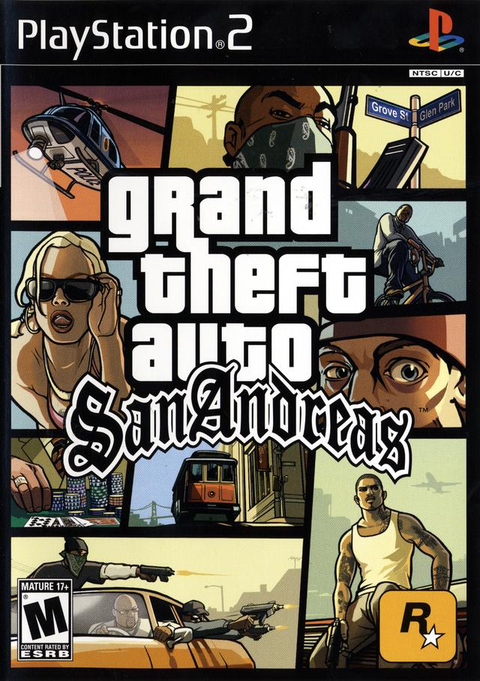
Grand Theft Auto: San Andreas puts CJ into a broader journey. Rockstar’s official trilogy retrospective describes the move to three distinct cities and a 1990s setting, with Carl Johnson struggling against criminal pressure and corrupt police.

The change in scale does more than provide extra road. Moving between environments changes the rhythm of a trip. A journey can begin with neighborhood familiarity and end somewhere that feels less forgiving. The distance carries part of the story.
This is where the “bigger map” conversation becomes too limited. The interesting question is what the space does to your sense of belonging. Returning somewhere you recognize feels different after the game has taken you far away from it.
GTA IV made the city’s promises feel heavier
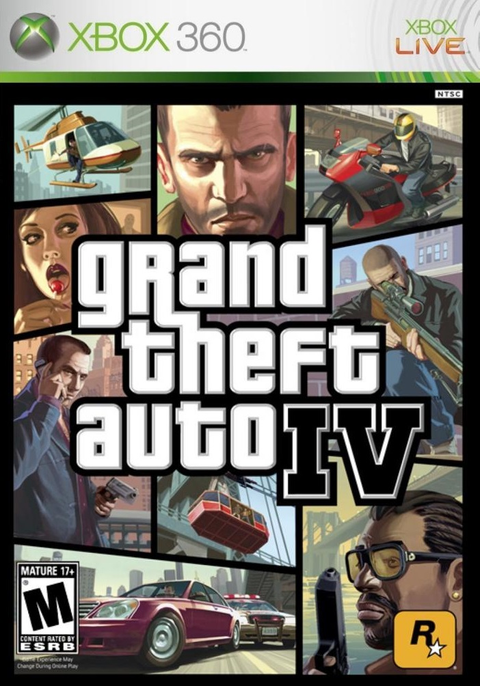
With Grand Theft Auto IV, the series returns to Liberty City through Niko Bellic. Rockstar’s premise contrasts Niko’s wish to escape his past with Roman’s dream of finding success. Debt and criminal obligations complicate both ambitions.

The result offers a different way to read a GTA city. Opportunity is something characters talk about while their immediate circumstances keep demanding compromises. The place can look full of possibilities and still feel difficult to move through socially.
The expansions make that city interesting from other positions. Rockstar’s Complete Edition description identifies The Lost and Damned and The Ballad of Gay Tony as interwoven stories alongside IV. Different protagonists do not merely add missions. They expose different networks inside the same place.
For a physical collection, distinguish a base-game copy, Episodes from Liberty City and a Complete Edition. Similar city names do not mean every disc contains the same stories.
GTA V split the viewpoint across three lives
Grand Theft Auto V makes switching perspective part of the design itself. Its official Xbox One manual explains Michael, Franklin and Trevor’s separate lives and the ability to move between them, including during shared missions.

That changes how a player gets to know the world. You can return to the same region with another character and a different set of relationships. The setting is shared; the perspective is not. It also lets a large mission distribute attention across several positions instead of making one protagonist do every job.
The same manual describes GTA Online as a continuing world built around a custom character. That adds another reason to return to the setting: your own accumulating history. Keep its changing service and platform requirements separate from the single-player campaign when choosing an edition today.
The handheld chapters are part of the design story
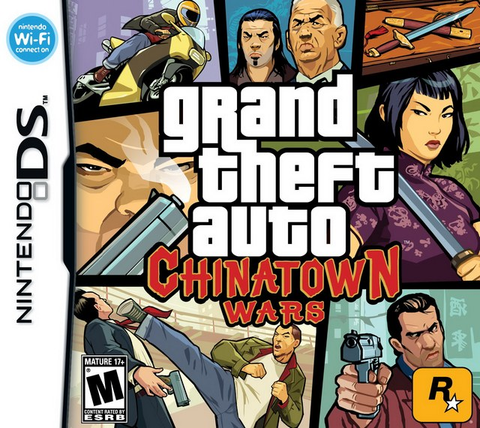
Do not skip the smaller-screen games when looking across the franchise. Liberty City Stories and Vice City Stories revisit familiar place names through different chapters. Chinatown Wars on Nintendo DS makes an especially useful comparison because it puts an overhead perspective back at the center of a later GTA.

The ESRB’s original DS description documents Huang Lee’s free-roaming Liberty City adventure from overhead. Rockstar’s synopsis supplies the personal motive: a stolen family sword and a search for revenge after an attempted killing.
That chapter is a reminder that a later game does not have to use the most cinematic camera to belong in the series. Different hardware can encourage a different way to organize the same central pleasures: a city to navigate, criminal work to pursue and room for the journey to go sideways.
GTA VI returns to a name, not a frozen moment

GTA VI brings Jason and Lucia to modern-day Vice City and the wider state of Leonida, with a November 19, 2026 launch announced for PS5 and Xbox Series X|S. Its place in this history is already interesting: the series is returning to a familiar name while changing the people and period that give it meaning.
Our separate GTA VI deep dive examines the confirmed characters, official in-game images and launch details. It focuses on what Rockstar has confirmed ahead of launch.
Pick the chapter for the experience you want
For the overhead roots, start with the original games. For the jump to a street-level city, try III. Vice City is the period piece; San Andreas is the wider journey. IV centers a newcomer’s uncomfortable relationship with Liberty City. V gives one world several playable perspectives. Chinatown Wars shows how differently the idea can work on a handheld.
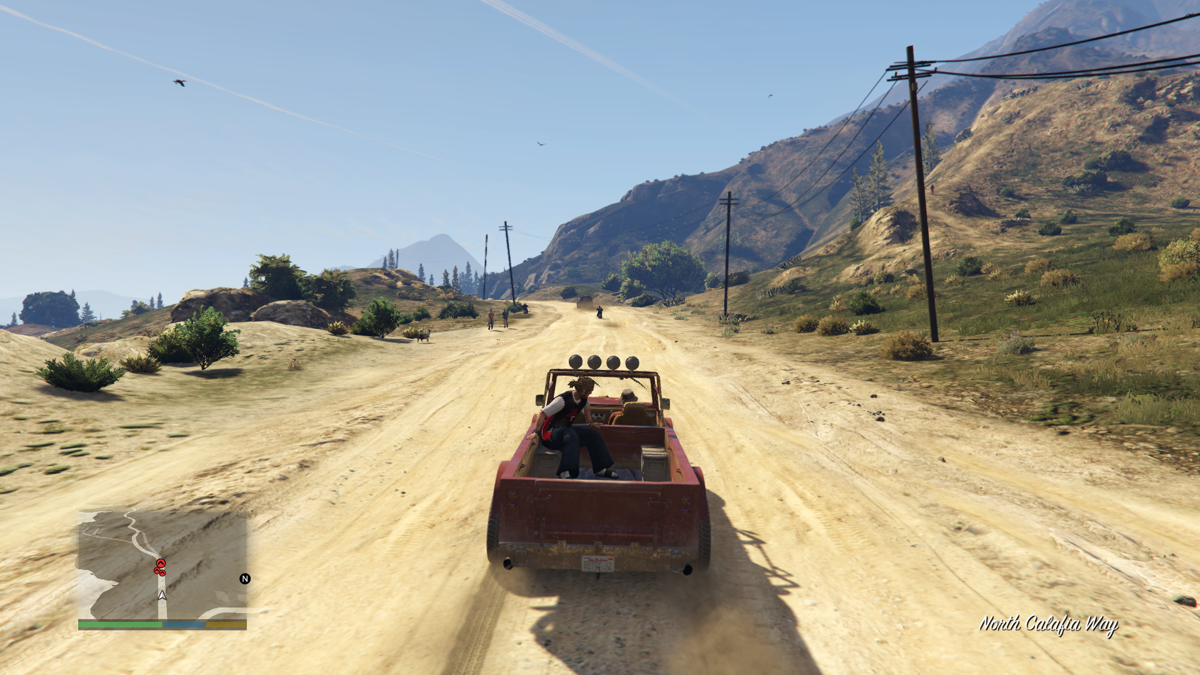
Original releases and remasters also deserve separate labels. The Definitive Edition collection contains III, Vice City and San Andreas with revised presentation and controls. Screenshots in this article identify the versions shown, so a PS2 image is not being passed off as a modern remaster.
The reason to collect across GTA is not to line up increasingly large numbers on spines. It is to keep different interpretations of the same idea: a city becomes memorable when the player has enough freedom to make a mess of the route through it.
Research and product links checked November 16, 2026. This is a researched franchise feature with Zypher editorial analysis. Original game screenshots retain their platform labels and proportions; GTA VI imagery comes from Rockstar’s official media collection.