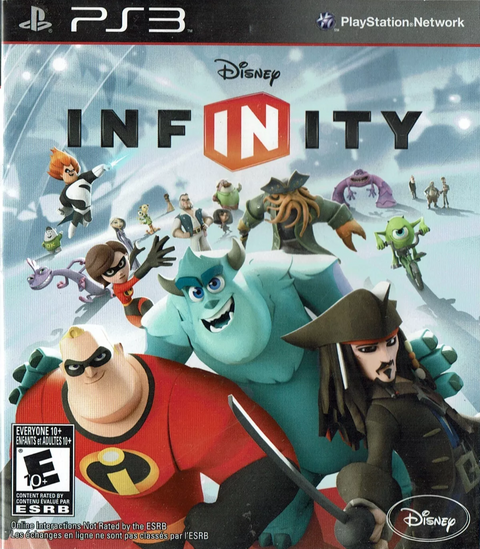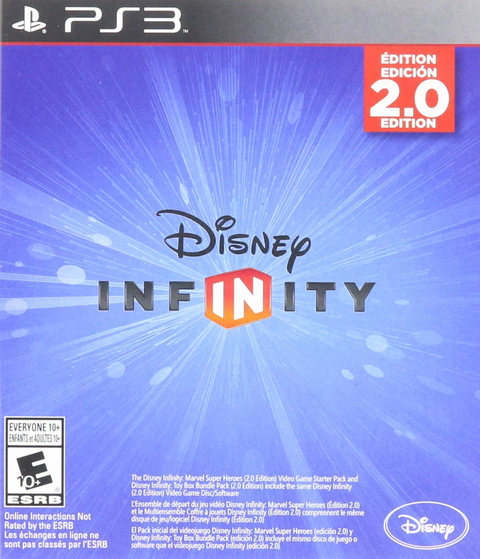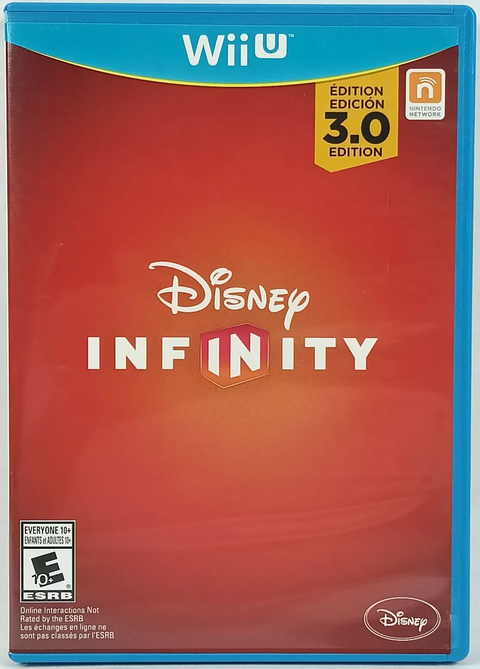
Disney Infinity had a very effective way of turning “one more character” into an entire shelf. Put a figure on the base, bring that character into the game, and start building in the Toy Box. Simple pitch. Dangerous news for anyone who liked Disney and had available shelf space.
People bought in, too. Disney reported millions of starter packs sold. So how does a game with that kind of start, plus Marvel and Star Wars characters, end up cancelled? Disney's own financial reports give us something more useful than guessing that nobody wanted the toys.
The promise: one enormous Disney toy chest
At its January 2013 unveiling, Disney presented Infinity as an ambitious platform combining physical figures, story adventures, and a virtual Toy Box. The base made the connection tangible. Instead of selecting an icon from a menu, you placed a character on a little stage.
The figure was still part of the purchase when the console was switched off. You could put it on a desk, rearrange the collection, then bring it back into the game. That physical connection was a big part of the appeal: your toy had an actual job inside the software.
Play Sets supplied structured adventures; the Toy Box supplied space to build. The appeal was that you could finish a directed experience and still have an excuse to experiment. Infinity wanted to be the place you returned to after the credits, with another character waiting nearby.
It actually had a hit on its hands
Disney reported more than three million starter packs sold worldwide by February 2014. Its announcement also cited a place among 2013's ten best-selling games using NPD retail data. Those are historical figures, not lifetime totals, but they demolish the lazy version of this story where nobody ever bought the thing.
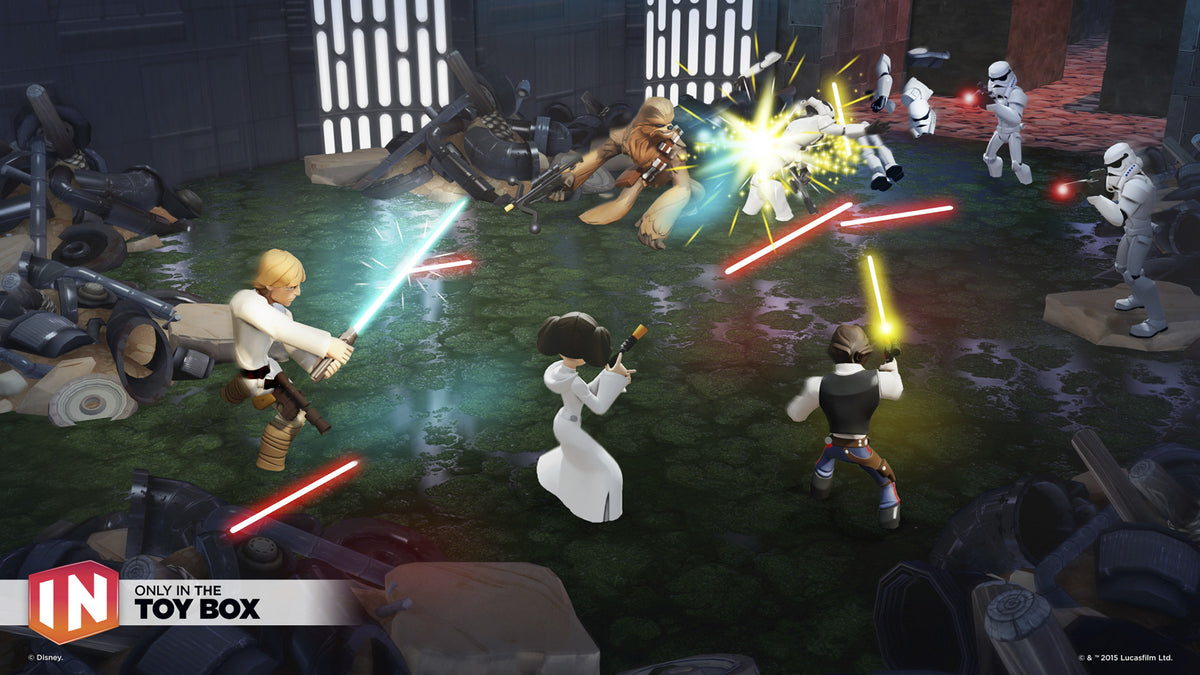
The idea then widened. Disney's 2.0 announcement brought Marvel into the center of the pitch, with more than 20 new figures and an expanded Toy Box. By 3.0, Star Wars had joined the lineup too. That was a formidable collection of recognizable faces to put in front of a family.
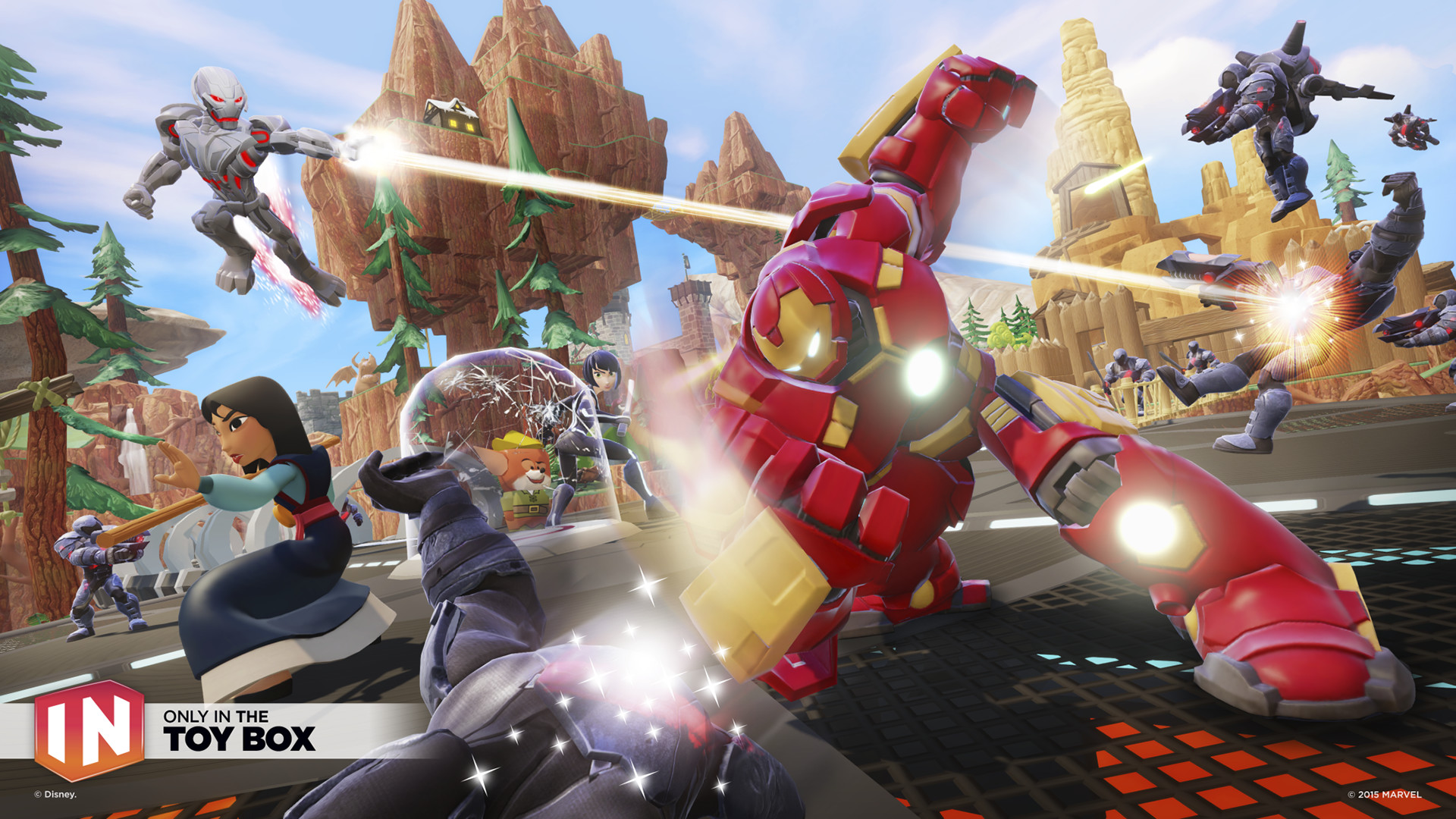
As a creative proposition, the growing cast made sense. As a purchase decision, it required more homework. A character, a Play Set, a base, and a software edition were related pieces, but they were not interchangeable answers to the same question. “It says Infinity on the box” was the beginning of the compatibility conversation.
The business problem was sitting on a warehouse shelf
The clearest evidence comes from Disney's own accounts. In its May 10, 2016 earnings release, the company reported a $147 million charge connected with leaving self-published console games, principally Infinity. Disney said the charge was mainly an inventory write-down, with severance and other asset impairments also included.
That $147 million figure is the charge disclosed at that point, not the game's development budget or a tidy measure of its lifetime losses. The useful part is what it describes: physical stock had become a financial problem.
A digital character does not need a truck or a spot in a warehouse. A manufactured figure does. Our reading of the evidence is that Infinity's appealing physical side also exposed it to inventory risk. Popular characters and unsold stock could exist in the same business. A strong launch did not guarantee a sustainable next wave.
Why a giant roster could not guarantee another sequel
Disney's 2016 annual report adds useful context. It described inventory obsolescence affecting Infinity's per-unit costs in fiscal 2015, before the shutdown year. It also recorded lower product development costs after Infinity's discontinuation in 2016. The financial pressure was broader than a single disappointing day at the register.
The same report discusses revenue from Star Wars Battlefront, a game released by a licensee. That helps explain the strategic distinction: Disney's characters could remain in games while Disney stopped operating this particular self-published console business.
Recognizable characters help sell a game. They do not make manufacturing, shipping, software development, and leftover stock disappear. Infinity had to make those parts work together. “But it has Star Wars” is a convincing pitch to a kid and a pretty incomplete answer to an accountant.
What survived the cancellation?
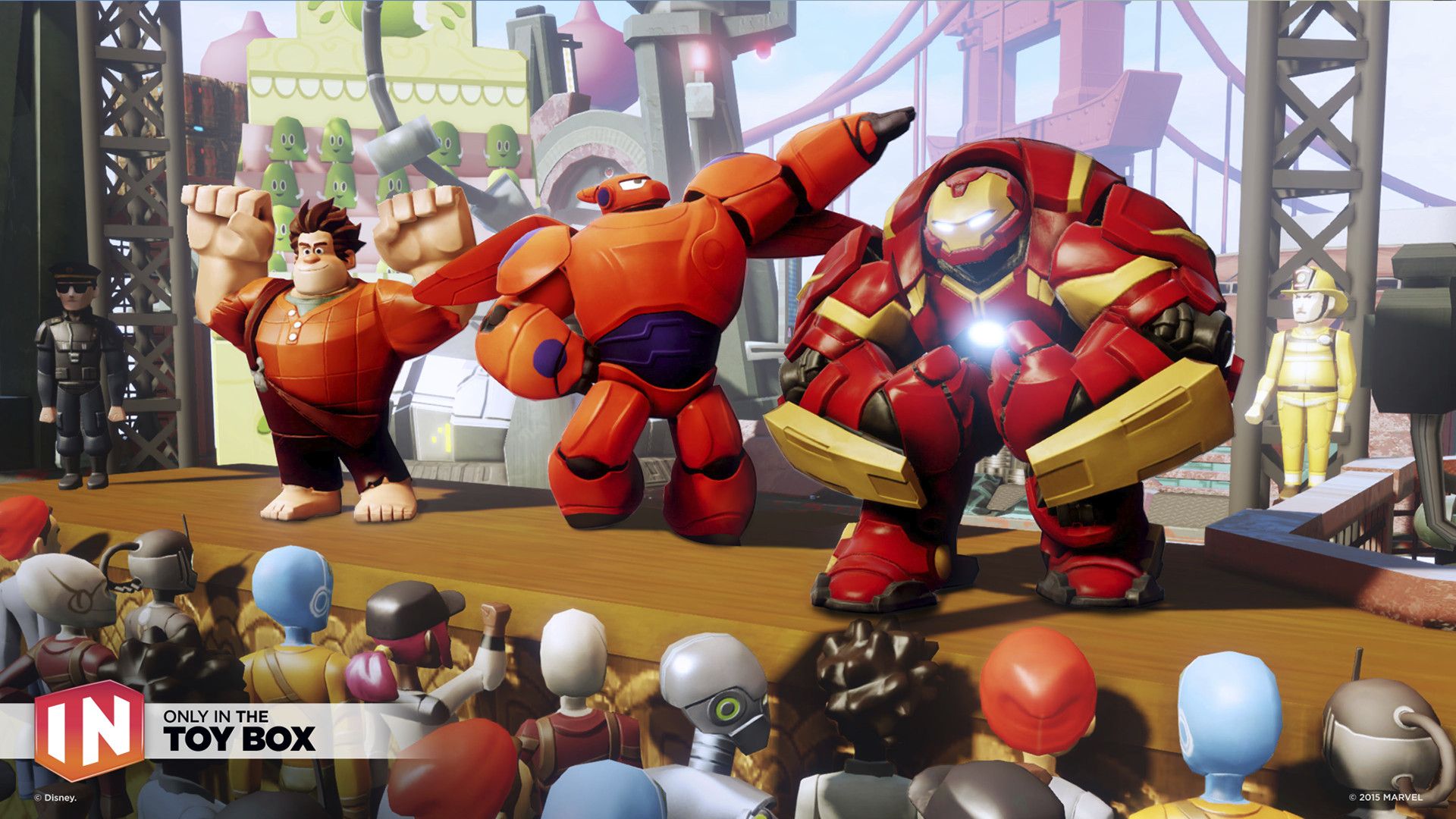
The figures did not evaporate when the business ended. Neither did every playable version. Disney's current platform guidance distinguishes the surviving console software from retired online services and says there are no plans for future updates. Treat this as a legacy game, with version-specific limits, rather than an actively growing platform.
There is also a PC route. Disney Infinity 3.0: Gold Edition remains listed on Steam, with digitally unlocked characters and Play Sets advertised in the package. Steam lists single-player among its official features. Do not read a user-added “multiplayer” tag as a promise of supported online play.
Gold Edition and a console starter pack are different purchases. Check the named content and supported modes for the edition you want; do not assume a digital package reproduces every later console addition. If you want a particular character, adventure, or couch setup, verify that exact combination first.
The collector's checklist: buy a playable setup
Disney's compatibility chart is the useful shopping companion. Older figures work forward in the Toy Box, while Play Sets belong to the software edition they were made for. A familiar character on the shelf does not mean every story campaign accepts it.
The base needs attention too. Disney identifies Xbox 360 and Xbox One bases as restricted to their respective consoles. Ask for the base's actual platform identification instead of treating every similar-looking reader as universal.
- Identify the software: platform, edition, region, and physical condition.
- Identify the base: confirm it is compatible with your console.
- Identify the content: check the figures and Play Set needed for the mode you want.
- Read what is included: a disc listing is not automatically a complete starter set.
- Buy for the surviving experience: do not pay extra expecting retired online features to return.
Bring the story home with Zypher
Want a physical copy for your collection? Buy it from us. Check Zypher's listings for Disney Infinity on PS3, Disney Infinity 2.0 on PS3, and Disney Infinity 3.0 on Wii U. Read each available variant and its included items; bases and figures should only be expected when the listing explicitly includes them.
Shop Zypher Trading Video Games. Check the available condition options and included items before checkout. Availability can change.