The SNES makes a Top 25 awkward for a good reason: a precise racing game, a sprawling RPG and a two-player brawler are competing for the same shelf. There is no sensible stopwatch for deciding which deserves more of your evening. There is, however, plenty to argue about.
What qualifies, and how we ranked it
This is Zypher’s editorial ranking of 25 distinct games officially released for the original SNES in North America. We judge the original versions by the quality of their central mechanics, how well their ideas fit together, reasons to return and the experience they offer on this platform. Rarity, resale prices and other sites’ scores do not decide the order. We assess the named SNES releases themselves; later remakes, reissue collections and import-only releases are outside this list.
The reasons and tradeoffs below are our judgments. The linked original manuals and publisher material support the edition and gameplay details. A lower position still means a game made this particular 25; it does not mean you need to apologize for liking it.
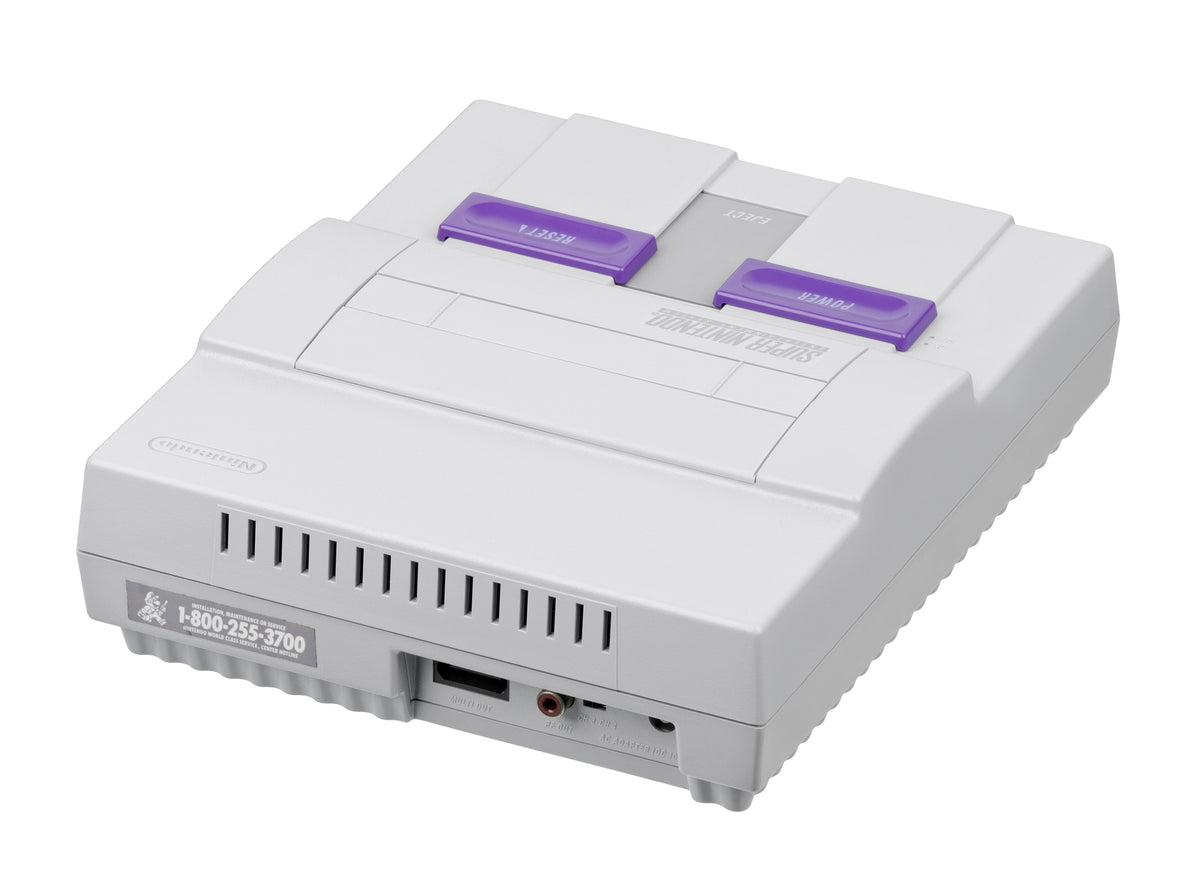
Featured photograph: original North American Super NES hardware, rear-right view. Evan-Amos, public domain. Hardware reference, not a gameplay capture or a purchase bundle.
25. Super Ghouls ’n Ghosts
Arthur's double jump creates a wonderful little problem: a second chance in the air still demands a first decision on the ground. Armor gives mistakes a visible cost, and treasure chests can complicate a supposedly helpful detour. It earns this place through demanding movement, though its punishment makes it a tough opening recommendation for a casual evening.
24. U.N. Squadron
The aircraft shop gives this shooter a reason to think between firefights. Mission selection, purchased weapons and different planes make preparation part of the action rather than a menu you mash through. We put it below the broader adventures here because its appeal is more specialized: choosing equipment is enjoyable only if you also want the pressure of keeping that aircraft alive.
23. Tetris Attack
Swap neighboring panels, line up matching symbols and keep the rising stack under control. That clear rule produces a terrific contest between planning and panic. The title can send newcomers in the wrong direction, so learn this game's panel-swapping rules instead of expecting falling tetrominoes. Its tightly focused puzzle play earns a place; it offers less change of scenery than our higher picks.
22. Super Bomberman 2
A bomb is a weapon, a timer and a mistake waiting to happen. Clearing a route changes the same grid you need for your escape, making positioning the real attraction. The battle game earns this place, with the solo game providing another route in. For a group, check the manual's controller and Super Multitap requirements before promising everyone a seat.
21. Kirby Super Star
Copy abilities become little fighting styles, and the helper system lets a second player take an active role. The different adventures give Kirby more variety than one long corridor of familiar enemies. We value that approachable breadth, while putting it below the most cohesive worlds on this list: switching activities is part of the appeal, and also why it feels less like a single grand journey.
20. Super Mario RPG: Legend of the Seven Stars
Mario's jump survives the move into an RPG, while command battles add Action Commands to keep your hands involved. That combination makes the shift between wandering and fighting feel especially natural. Our ranking rewards its friendly introduction to the genre, but the angled exploration asks for a different kind of spatial judgment than Mario's side-scrolling games. This entry is the SNES original, not the Switch remake.

Building an original-hardware setup? Check Zypher’s Super Nintendo console listing and its selected condition and contents. The photographs here identify hardware; the listing tells you what you are buying.
19. Secret of Mana
Direct weapon attacks sit alongside Ring Commands for equipment, items and spells. The result makes opening a menu feel like a tactical decision inside an action adventure. Its party gives you more to organize than a lone hero, which is both the attraction and the friction. That distinctive mix earns its place, provided you want to manage allies between swings.
18. F-Zero
The shoulder buttons shift your machine sideways, and collisions drain the power meter. Those two rules make the racing about holding a line with consequences. We rank its concentrated driving challenge above its breadth: this is a strong choice for learning tracks and chasing cleaner runs, but someone shopping mainly for a shared racing session should look at the next kart-shaped alternative.
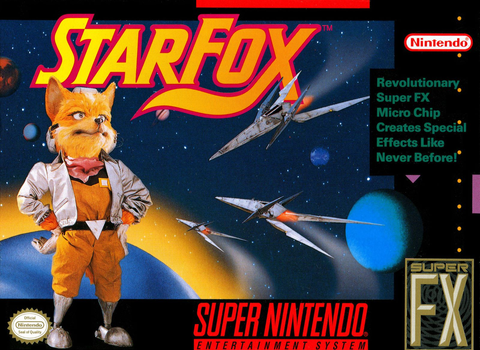
17. Star Fox
Keeping the Arwing alive means watching obstacles, incoming fire and a shield meter instead of merely aiming at whatever moves. That cockpit responsibility gives the polygonal spectacle a useful game underneath it. The deliberate maneuvering earns its place. Its angular presentation and screen-reading demands are a bigger adjustment than the immediately legible platformers further up.
16. Super Punch-Out!!
Reading an opponent's movements, dodging and answering at the right moment turns each bout into a compact problem. Time Attack gives a solved fight another purpose: improving how efficiently you finish it. That narrow focus is why it beats several larger games here. It also sets expectations correctly: this is an opponent-learning challenge, so a player wanting freeform boxing tactics may want something else.
15. Donkey Kong Country
Running, rolling and committed jumps make the route through a level matter as much as reaching its end. The two Kongs give the journey a useful sense of partnership, but the original SNES game's two-player modes alternate control. The platforming earns this place. Its sequel places higher because Diddy and Dixie's expanded movement gives us more to work with.
14. Teenage Mutant Ninja Turtles IV: Turtles in Time
The SNES version offers a two-player team-up, dash techniques and throws that do more than repeat a basic attack. Those moves give the Foot Clan brawling the right amount of texture for a shared session. The appeal is a focused shared fight, with less to explore between encounters than the higher-ranked adventures. Keep this edition separate from the arcade release when comparing versions and player counts.
13. Contra III: The Alien Wars
Carrying two weapons and choosing when to switch gives the shooting an extra decision before the next threat arrives. The overhead sections also change the way you read and move through the battlefield. That variety earns its position, with a qualification: the shifting viewpoint is part of the commitment. The campaign suits players who enjoy being forced to change their approach mid-adventure.
12. Super Castlevania IV
Simon's whip can attack in eight directions and latch onto rings for swinging. That reach makes the weapon part of navigation as well as combat, giving encounters room for careful positioning. That measured approach gives it the edge over Contra here. The same pacing can feel less immediate to someone who wants constant forward momentum; patience is doing real work in this castle.
11. EarthBound
Visible enemies make approaching a fight part of the decision, and the direction of contact can affect the opening advantage. That is a smart fit for a journey where ordinary people and animals can become opponents. Its everyday surroundings give the RPG a personality of its own. It misses our top ten because the menu-driven pace asks for more patience than the action-focused games immediately above it.
10. Mega Man X
Wall climbing changes how you use a room, while the dash upgrade gives movement a stronger forward bite. The chargeable X-Buster provides a dependable tool as you learn the rest of the equipment. Gaining power changes the way you move as well as the damage you deal, a combination that earns this top-ten place. Remember that dashing depends on obtaining the required upgrade; it is not the starting default.
For a shorter SNES session, Zypher has listings for Super Punch-Out!! and U.N. Squadron. Choose by the kind of challenge you want, then check the actual condition and included materials.
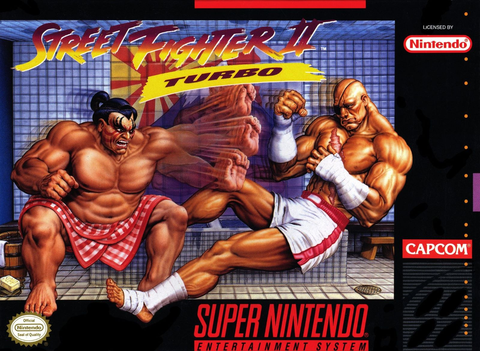
9. Street Fighter II Turbo
Turbo and Normal use different rules, with adjustable speed for Turbo. Choosing the right setting matters more than blindly picking the fastest one and calling the resulting confusion skill. This earns our fighting-game spot through the decisions around distance, timing and attack strength. The tradeoff is commitment: learning one fighter well is more rewarding here than expecting every move to explain itself.
8. Super Mario Kart
Hops and power slides make steering something you actively work at, while two-player Battle Mode gives that handling a different purpose from finishing a race. We put it above the fighters for its range of immediate competitive possibilities. The original's compact view takes adjustment, though. Start by learning corners instead of asking an item pickup to perform emergency driving lessons.
7. Super Mario World 2: Yoshi’s Island
Egg aiming and the flutter jump give Yoshi his own rhythm. Losing baby Mario starts a countdown, turning a hit into a recovery problem rather than always ending the attempt immediately. Those distinctive priorities give it the edge over the racers and fighters below. Collecting everything asks for slower examination than simply reaching the goal, so decide whether tonight is about exploration or pushing through stages.
6. Donkey Kong Country 2: Diddy’s Kong Quest
Diddy and Dixie can team up, and Dixie's helicopter spin gives the pair a particularly useful difference in movement. Hidden places and treasures make revisiting a level more than a victory lap. It tops the first Country because we favor those extra ways to approach the scenery. The qualification is the same reason it rewards repeat visits: a straight run to the exit leaves a lot of its appeal behind.

5. Final Fantasy III, known as Final Fantasy VI
For this North American SNES list, the cartridge title is Final Fantasy III. Square Enix identifies the underlying adventure as Final Fantasy VI. Its ensemble and the relationship between returning magic and an industrialized world give the story real scope. We place it above the shorter adventures for that breadth, while acknowledging the cost: party organization and extended story scenes demand an evening with fewer distractions.
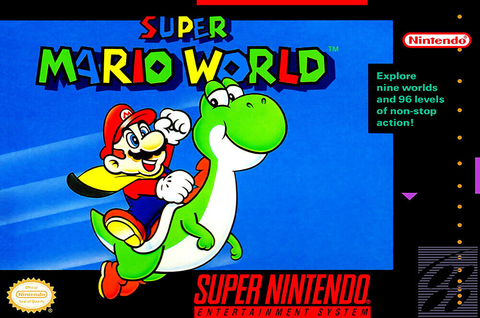
4. Super Mario World
Secret goals turn the map into something you gradually untangle. Finding an alternate route changes what you can reach, so curiosity has a visible result outside the level itself. We rank it above the other platformers because that structure gives even a familiar stage another question to answer. The catch is restraint: rushing straight to the normal goal can hide much of what makes this version special.
3. The Legend of Zelda: A Link to the Past
The Light World and Dark World make Hyrule a place to reconsider rather than merely cross once. Equipment and dungeon problems give exploration a clear purpose, with the map helping you keep track of the larger journey. It takes third because we value that balance of discovery and direction. Players who want constant combat will need to make room for deliberate searching and puzzle solving.
2. Chrono Trigger
Travel through different eras gives each destination a place in a larger problem: changing the course of history before Lavos brings disaster. The party brings together companions from those different times, making the premise matter beyond the backdrop. We put it ahead of Final Fantasy for the way that central idea holds the journey together. It remains an RPG commitment, though; reading conversations is part of playing it.
1. Super Metroid
Samus gains equipment that changes where she can go, while Zebes gradually becomes a place you understand. The map, replenishment points and new powers support the same loop: notice an obstacle, learn something, come back capable. That is why it takes our top spot. It asks you to tolerate uncertainty and backtracking, but those demands are also what make discovering a route feel earned.

Choose the game, then check the copy
Start with the type of evening you want: a shared race, an opponent to learn or an adventure you can leave on the save screen and return to. Then buy your next game from Zypher Trading Video Games. Check our Super Mario World, Street Fighter II Turbo and A Link to the Past listings for the exact SNES editions.
Inspect the selected condition, region and included contents before ordering. A loose cartridge is a different purchase from a boxed copy; these rankings do not certify an individual item’s authenticity or promise that old save hardware is healthy.
Making room for the next shelf argument? Sell your old games to Zypher and check the Buy List’s current eligibility and submission instructions.
Sources and edition notes
Checked November 3, 2026. Nintendo’s official original-manual archive supplies the linked booklets for nineteen entries. The other instruction links are archived original publisher documents, including Nintendo Gateway summaries for Diddy’s Kong Quest and Tetris Attack. Square Enix’s Final Fantasy VI retrospective announcement confirms the original SNES adventure and ensemble; this ranking does not assess the later Pixel Remaster. Konami’s Cowabunga Collection title list identifies the SNES and arcade Turtles in Time as separate games.