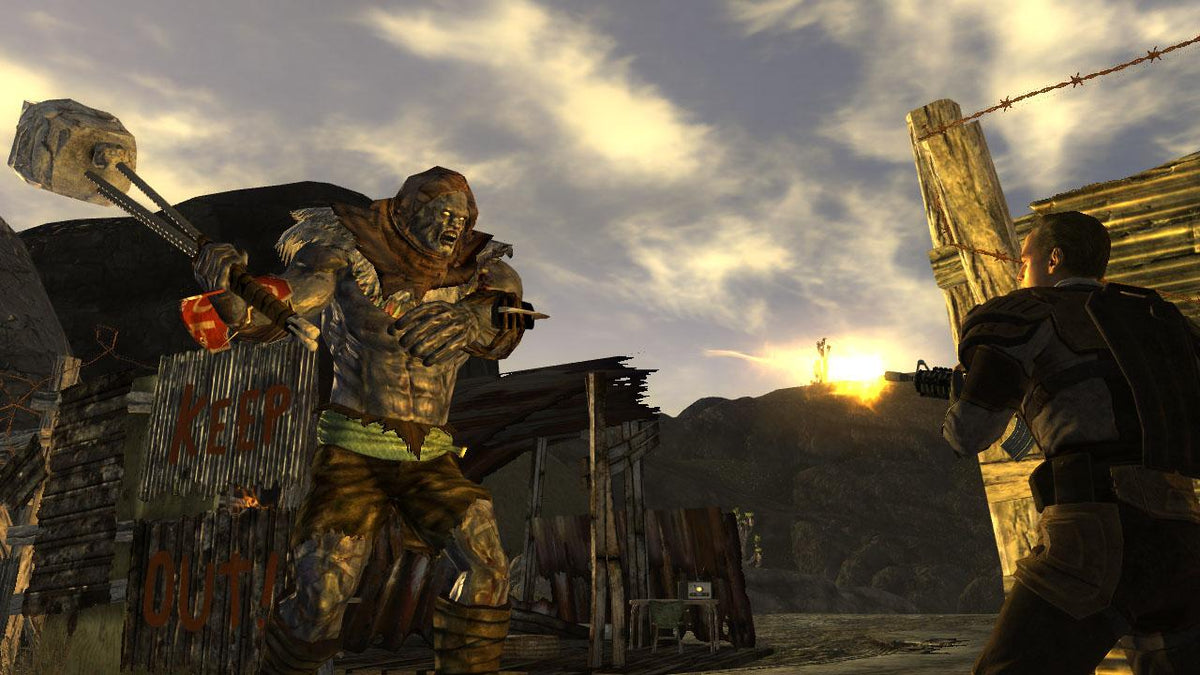
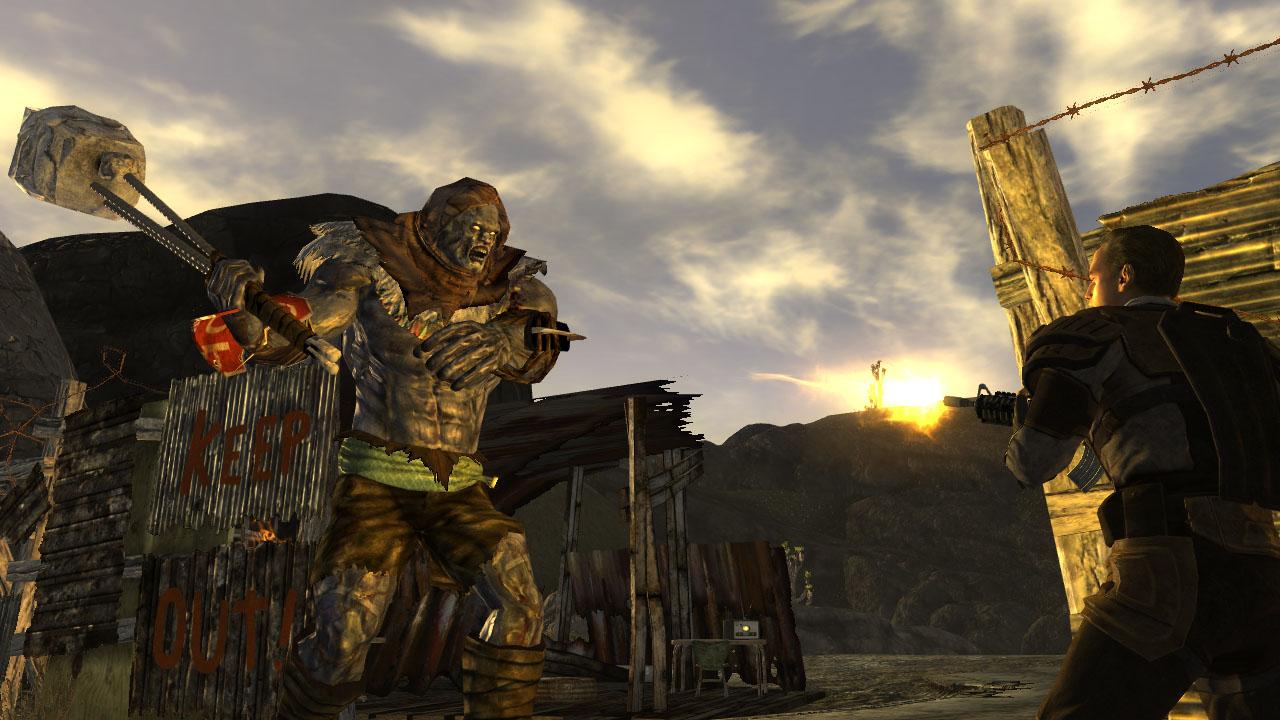
The gun is firing, the target is still standing, and Fallout: New Vegas is giving you more information than an emptying ammunition count. Look for the shield indicator. Then look at the weapon you brought.
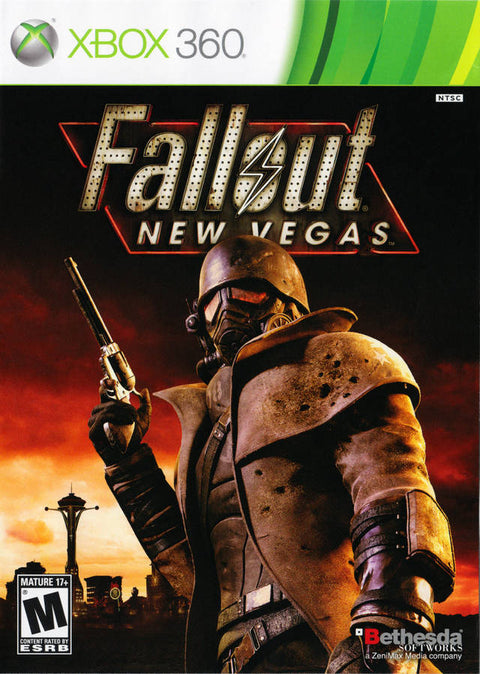
In Fallout: New Vegas, weapon condition, character requirements and an enemy’s Damage Threshold all affect an encounter. A familiar-looking rifle is not a promise that every copy in your inventory performs equally well. This guide explains the checks worth making before you spend the rest of the magazine proving the same point. Images show the PC version; Zypher’s linked physical listing is Xbox 360.
The shield is feedback about the hit
The manual describes a red shield when your weapon’s damage is failing to get through the target’s Damage Threshold effectively. A shredded shield marks an effective hit against that protection. Watch the feedback rather than interpreting every small health change as poor aim.
This is a useful reason to reconsider the weapon-target pairing. If a lightly protected opponent fell quickly with the same weapon, a tougher enemy presents a different problem. Repeating the old approach faster may simply spend ammunition faster.
Pause the comparison at the level of the actual equipment you have. Which weapon is in better condition? Which one suits your character? What is the target’s shield feedback telling you after a hit? You can make a sensible change without memorizing an entire damage spreadsheet.
Condition belongs beside the weapon’s name
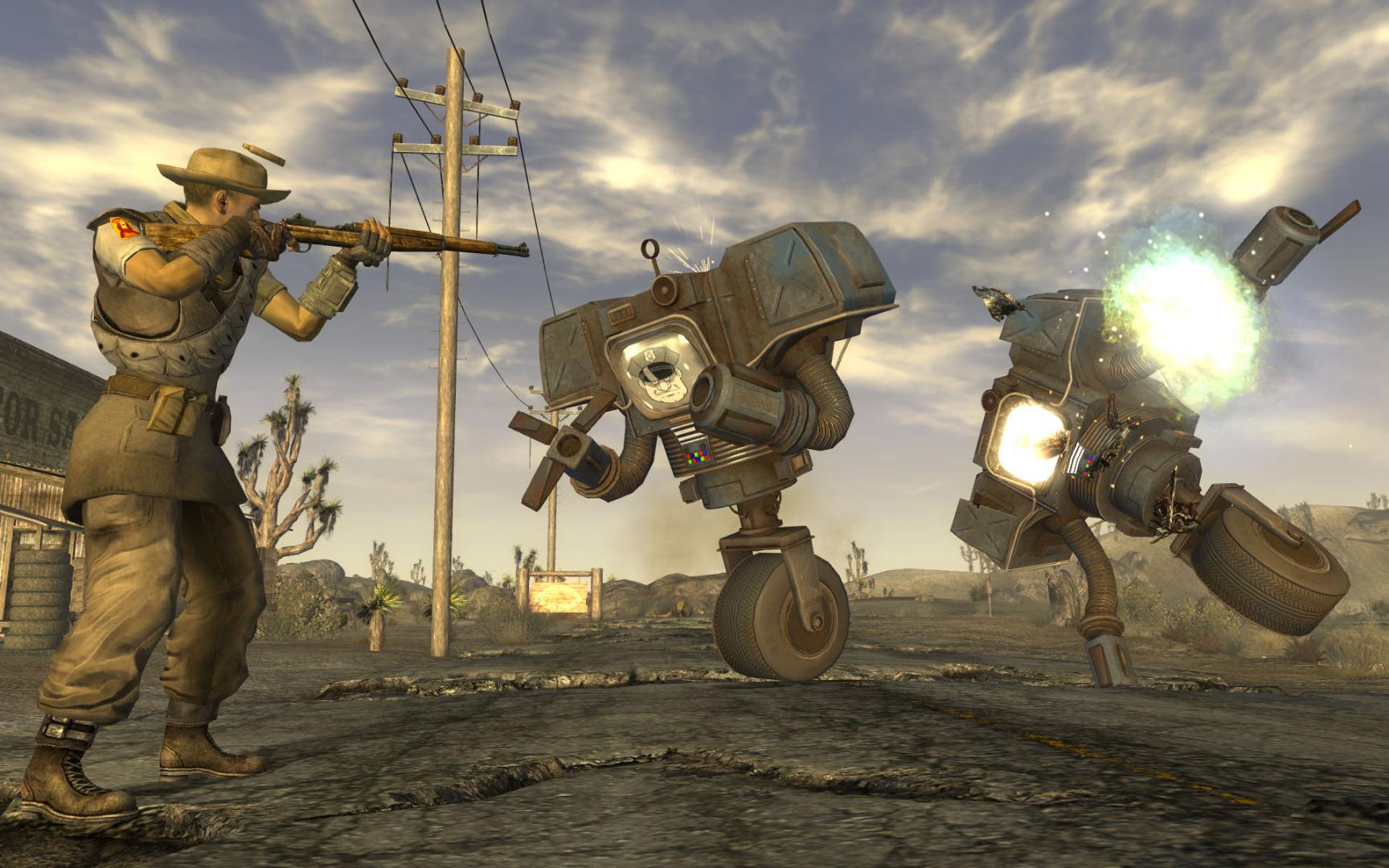
The official manual connects deteriorating weapon condition with reduced damage and a greater chance of a jam during reloading. Repairing a weapon improves its condition. Two weapons with the same name can therefore represent different practical choices.
Before a longer trip, inspect the condition of the weapon you expect to rely on. A familiar favorite deserves maintenance for the same reason it earned a place in your loadout: you intend to use it. Carrying an impressive backup does not repair the gun currently in your hands.
Also check the weapon’s Strength and governing skill requirements. The manual ties those requirements to handling and effectiveness. A weapon can be attractive on its own statistics and still be a poor fit for the Courier you have built so far.
Treat that as a choice about when to use it. You might keep a promising weapon for later while relying on something more suitable now. Owning the item and being ready to get the most from it are different milestones.

Repair consumes the donor, so select the keeper first
The Pip-Boy repair process uses another similar item as parts. Choose the weapon you mean to keep before selecting what will be broken down. If the two entries look alike, slow down long enough to read their condition and modifications.
Bethesda Support documents a particularly expensive mistake involving the Jury Rigging perk: using a modified weapon to repair an unmodified one destroys the modified weapon as the donor. Its suggested recovery is an earlier save. That makes donor selection worth a careful second look before the action, rather than an investigation afterward.
Our practical routine is simple. Identify the keeper, identify the donor, then confirm that the donor contains nothing you intended to preserve. Do not treat an entire group of similarly named weapons as interchangeable scrap. A modification is easy to overlook when you are focused on a condition bar.

Armor condition is part of the same preparation
The manual also connects armor’s protection with its condition. Looking after the weapon while ignoring the outfit leaves half the equipment check unfinished.
Examine your armor before heading into another fight, especially if recent encounters have become unexpectedly costly. A poor outcome can involve what the enemy hits you with as well as what you hit back with. Maintenance gives you a clearer baseline for judging whether a particular encounter needs a different plan.
For a returning player, checking both items is more useful than trying to remember how powerful the character felt on an old save. Inspect the Courier standing in front of you now. Past confidence is not an equipment statistic.

Use the next encounter to answer one question
If you are struggling, change one relevant part of the setup and watch the result. Repair the main weapon, select a better fit for your skills, or respond to the shield feedback with different equipment. Keep track of which problem you are addressing.
New Vegas makes equipment choice interesting because the label on the gun is only a starting point. Condition, the Courier’s abilities and the opponent’s protection all belong in the decision. Reading those details can save more ammunition than another round of hopeful shooting.
Shop games and make room for the next one
Find Fallout: New Vegas for Xbox 360 at Zypher and check the selected copy’s condition and included items. If you are clearing space, see our trading and selling information.