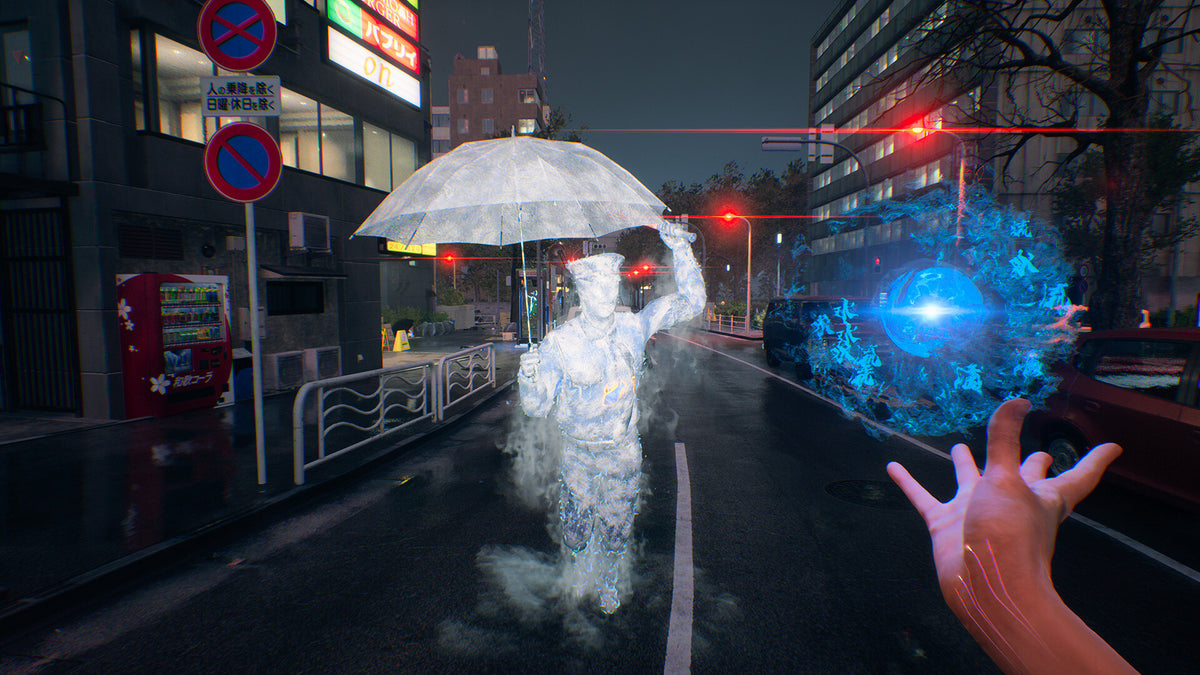
Ghostwire: Tokyo turns a street corner into a small resource decision. You spot spirits, absorb what you can, look for a telephone booth and notice a route upward that might take you somewhere completely different. The city keeps offering another reason to leave the main road.
The useful habit is to connect those discoveries. Katashiro carry spirits; telephone booths turn a transfer into rewards; rooftops help you navigate a city that has more to offer than the pavement. Here is a practical way to make that loop work without treating every glowing pickup as a separate chore. Images show the PC version.

Katashiro capacity is only the carrying stage
Bethesda’s beginner guide describes absorbing wandering spirits into katashiro and sending them to safety through telephone booths. Transfers award Meika and experience. Collecting more katashiro expands how much you can carry between transfers.
Think of capacity as the size of the collection trip, not the completion of the process. If you have filled what you can carry, a nearby booth becomes a useful destination. Expanding capacity makes room for a longer outing; it does not remove the reason to transfer what you collected.
This is a good place to build a route around the activity already in front of you. If you have been moving through several streets gathering spirits, look for a convenient transfer point before starting another long detour. Give the next stretch of exploration an empty carrier rather than discovering halfway through that it is full.

A roof is part of the route, not background scenery
The publisher’s guide points to Tengu as grapple opportunities and gliding as a way to travel between elevated places. Rooftops give exploration another layer. Look upward when a destination seems inconvenient from street level.
Our recommendation is to think in connected segments. Identify the place you can reach, then look for the next landing or descent. An elevated route is useful when you can understand where it takes you, rather than simply gaining height and hoping the destination becomes obvious.
This also changes how you read the city from below. A building can be a boundary at street level and part of a route above it. Pause long enough to inspect the surrounding vertical space before deciding the only sensible choice is another block-long walk.

Experience and magatama advance different parts of the skill plan
Side missions can reward spirits and magatama, and Bethesda identifies magatama as a requirement for advanced skill unlocks. That means more experience and a specific unlock resource are different kinds of progress.
If a skill is unavailable, read the actual requirement. Another spirit transfer may help with experience, while the particular upgrade you want can also call for magatama. Knowing which resource is missing gives the next side activity a clear purpose.
Choose an improvement for something you do regularly. If exploration is the attraction, consider which available skill would help you move or collect more comfortably. If a fight keeps interrupting that exploration, examine the tools relevant to that encounter. There is no need to turn every resource into the same vaguely defined goal of getting stronger.
Equip a benefit instead of just collecting it
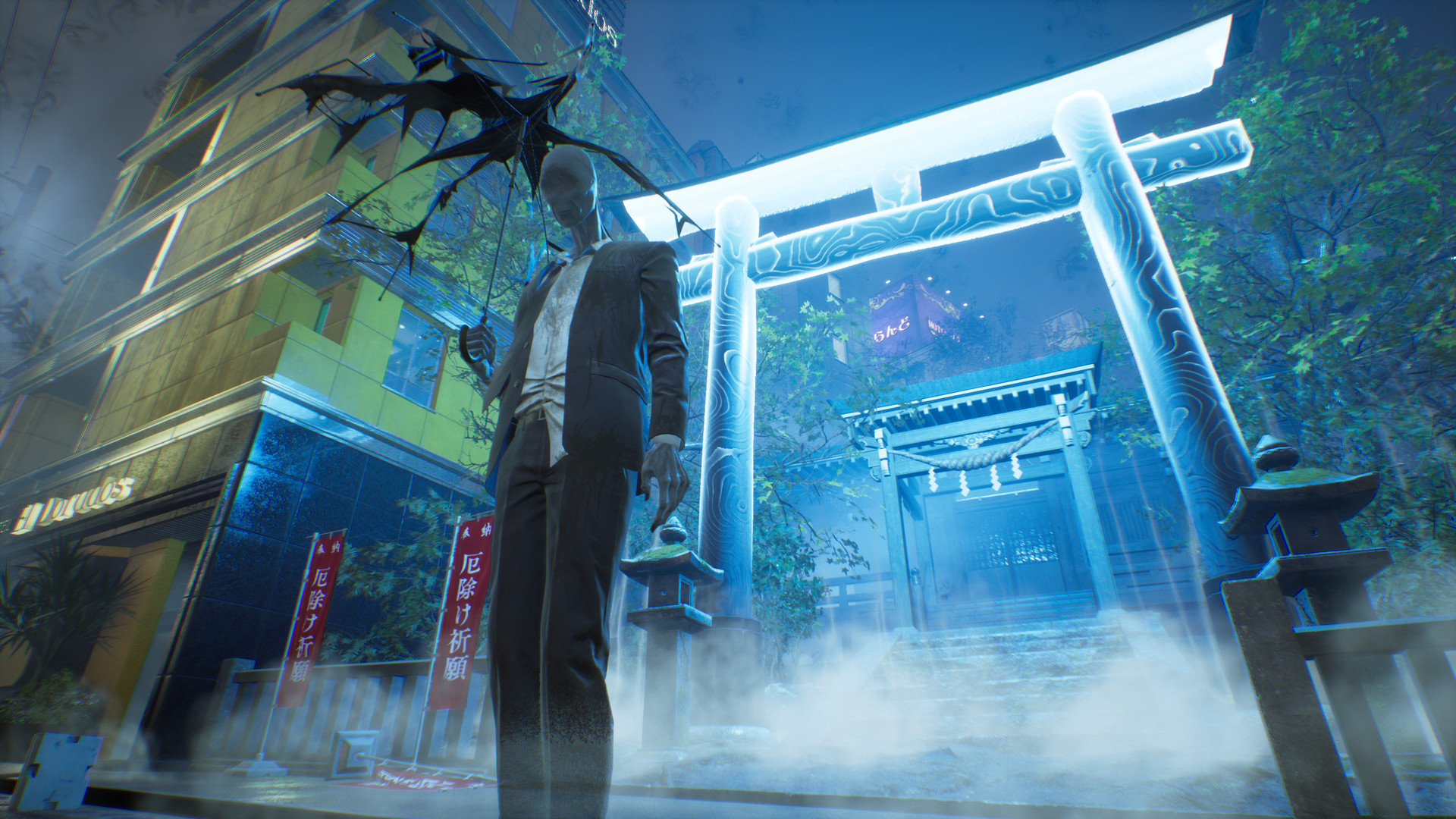
Prayer beads provide bonuses when equipped, and progression can expand how many sets you can equip. A newly discovered set is therefore worth inspecting before it disappears into the collection.
Compare the stated effect with your current activity. A bonus is useful through what it changes for you, rather than the fact that you found it most recently. Keep the equipment choice attached to the route or fight you are preparing for.
The same logic keeps a busy city from becoming exhausting. You do not have to abandon every plan for every new marker. Decide whether the discovery helps the trip you are already taking, or whether it is something to investigate after the next transfer.

Make one connected outing
A useful exploration session can begin with available katashiro capacity, follow a street or rooftop route that interests you, and finish with a transfer. Along the way, side missions and equipment discoveries can point toward the next upgrade you actually want.
That is more engaging than imagining the city as a stack of unrelated counters. A transfer supplies rewards, a new route changes what you can reach and a particular resource moves a particular skill closer. Tokyo’s strange details are worth noticing while those systems work in the background.
Leave some room for a detour that simply looks interesting. Efficiency helps when it removes an awkward return trip, not when it makes you ignore the city you came to explore.

Shop games and make room for the next one
Browse Zypher’s current game shelves for your next physical game. If you are clearing space, see our trading and selling information.


