The last enemy falls, and everyone immediately wanders toward a different shiny weapon. That is a perfectly good way for the next wave to find four individually enthusiastic problems. Halo 3: ODST's Firefight becomes more coherent when the group treats the space between waves as part of the fight.
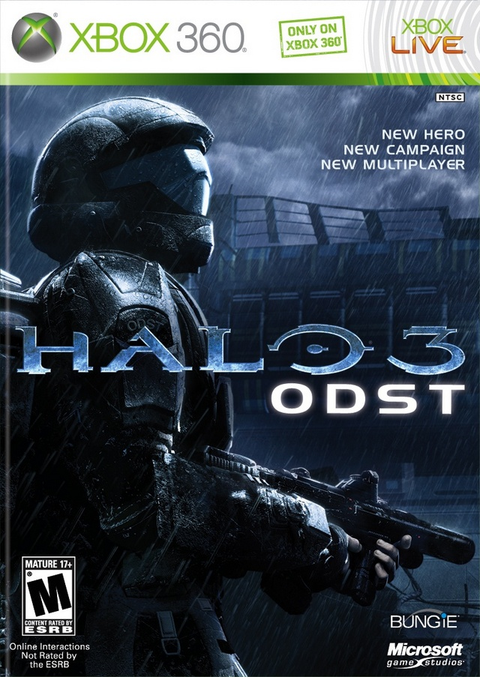
This guide focuses on the PC version inside Halo: The Master Chief Collection. Its current publisher listing specifies up to four-player Firefight, matchmaking and custom modes. The Steam ODST add-on requires the MCC base product. The original Xbox 360 disc is a different purchase.

Read the rules before choosing the position
The original ODST manual describes the classic structure: five waves in a round, three rounds in a set, a shared pool of lives and escalating skull modifiers. That structure explains the mode's tension. A careless death spends something the rest of the team also needs.
MCC also lets you use custom variants, as the official ODST Firefight release notes explain. Before a session, agree on whether you want the classic survival rhythm or a customized fight. A plan built around limited lives does not have the same purpose in a deliberately generous variant.
For a learning group, change one important rule at a time. You will have an easier time identifying why a round felt different than if you replace the entire rule set and then argue over which change helped.
Pick a position with a second exit
A safe-looking corner can become a trap when it offers only one route out. Prefer a position that lets you see an approach while preserving a way to disengage. Think about how you will leave before the enemy has occupied the exit.
That is especially important in ODST's city spaces. The useful question is not simply whether a wall blocks incoming fire. Ask what the wall hides from you, where a teammate can cover another approach and how much open ground separates you from the next defensible spot.

When a position stops working, call the move early. “Fall back toward the vehicle” or “take the other side of the courtyard” gives the group a direction. Four players separately deciding to retreat after the same explosion usually produces four different definitions of retreat.
Make vehicles somebody's explicit job
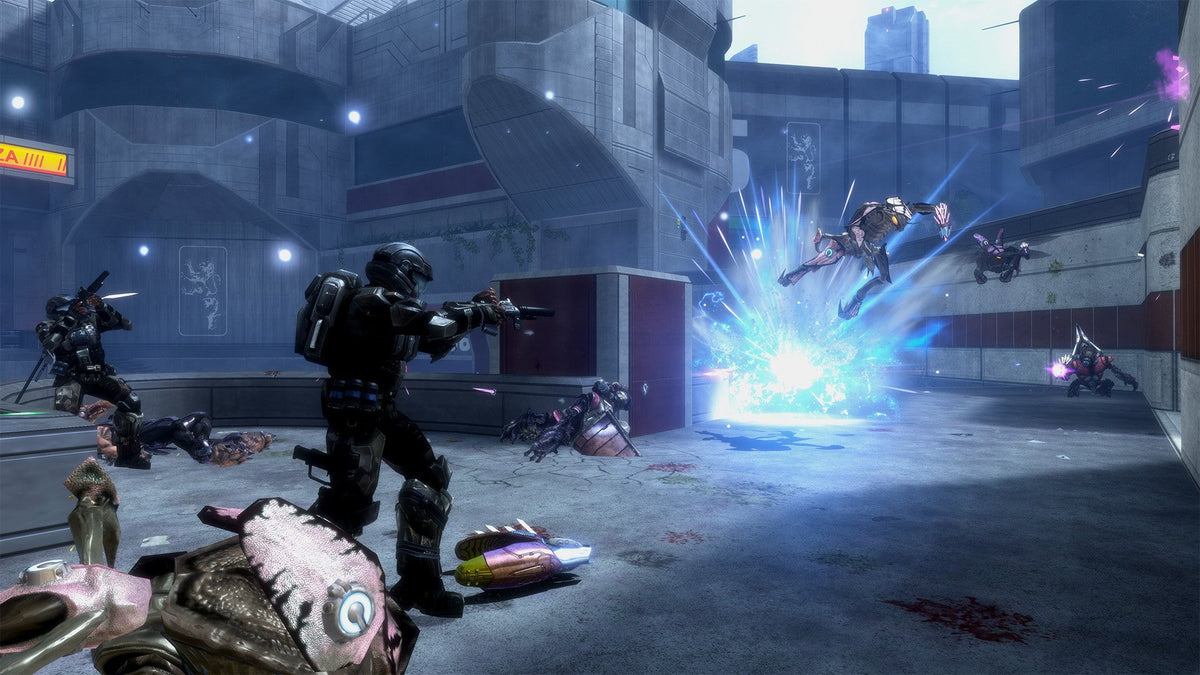
ODST's publisher gallery shows how much the battlefield changes when Warthogs, Wraiths, Banshees and Phantoms share it with infantry. A group concentrating only on the nearest ground target can lose control of a much larger threat.
Assign attention rather than rigid character classes. One player can call incoming vehicles, another can watch the exposed flank, and a third can keep track of where the group can regroup. Those jobs can change when weapons, enemies or the arena change.

A driver and gunner also need a shared idea of the route. The gunner wants an angle; the driver needs room to keep the vehicle useful. Discuss the next pass instead of assuming that the other player can read an intention from a sharp turn.
Use the lull to rebuild the team
The original manual places resupply and medkit replenishment at round boundaries in the classic rules. Learn when your chosen variant provides its opportunities, then use them deliberately. A brief pause is more valuable when everyone knows what is being checked.
Establish three things: who needs supplies, which weapon covers the next likely problem, and where the group will be when contact resumes. Do not split the team across the arena just to conduct that conversation while running.

This is also the moment to reconsider a failed position. If a vehicle repeatedly breaks your defense, more determination in the same doorway is not necessarily the answer. Move the defense, change the sightline or put clearer responsibility on the threat that kept slipping through.
Skulls should change the plan
The original manual's Black Eye example makes the point particularly clearly: stamina recovery becomes tied to melee. A modifier can change which actions restore safety, not merely how much punishment the enemy can absorb.
Read the active rules and communicate their consequences. If a player expects a familiar recovery rhythm and the variant changes it, their usual decision about when to rejoin a fight can be wrong before they fire a shot.

Our view is that Firefight works best as a repeated negotiation over space. You gain room, spend ammunition and sometimes lose a position. The next wave asks whether the group learned anything from that exchange. That is a more interesting goal than treating every death as an isolated aiming error.
Match the copy to the version you intend to play
The images here are official publisher screenshots of ODST in MCC on PC. For that version, check the current Steam listing and MCC requirement. If you want the original physical Xbox 360 release instead, Zypher's ODST listing identifies that format. Buying the disc does not by itself establish a Steam entitlement.

Keep the collection useful as well as full: check exact platform and contents before choosing a copy, and trade or sell games through Zypher when you are ready to clear a shelf.