A jet pack changes the route. A hologram changes what draws attention. Armor Lock changes whether you can move at all. Halo: Reach's armor abilities are different commitments, which makes choosing one more interesting than picking the nicest-looking icon.
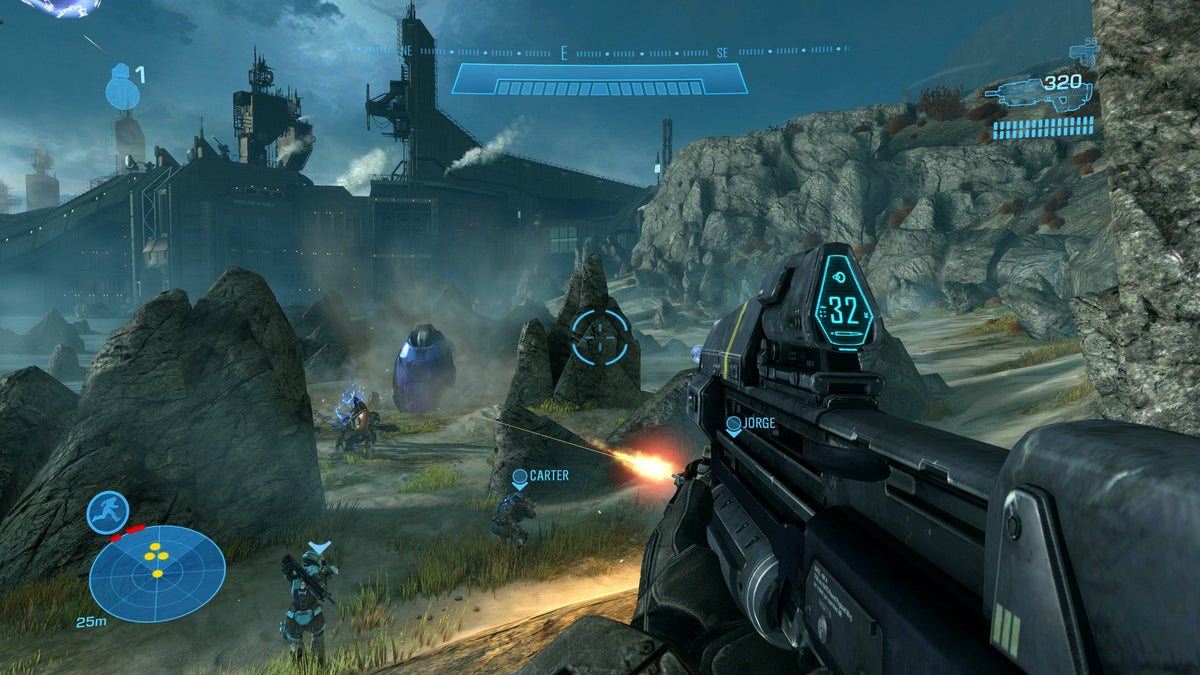
This guide looks at the jobs those abilities can do and the questions to ask before using them. The ability descriptions come from Microsoft's original Reach manual; the images show the PC version in Halo: The Master Chief Collection. Availability depends on the mission, loadout or game variant, so begin with what your current mode actually offers.

Sprint solves a distance problem
The manual presents Sprint as a temporary movement boost. Use that description to define the job: closing or opening distance. Before committing, identify where you intend to arrive and what you will do there.
For a suggested exercise, find a low-pressure stretch with two recognizable landmarks. Move between them normally, then try the ability. Focus on the route and destination. The useful lesson is where the burst fits into your movement, rather than treating any forward motion as an improvement.
In a fight, a faster approach can put you in a better position or carry you into a worse one sooner. Check the destination's sightlines before choosing speed. The ability helps with the journey; the player still chooses the address.

A jet pack adds a vertical decision
Jet Pack provides lift. That makes ledges, height differences and landing positions part of the immediate decision. A useful flight begins with a place to land, rather than an assumption that being higher is automatically safer.
Look above the obvious route. Is there a useful position you can reach, and does it give you a way to leave afterward? In our suggested approach, the landing spot deserves as much attention as the takeoff. You want an actual position to use, not just a moment of impressive scenery.
When comparing Sprint and Jet Pack, describe the obstacle first. A long horizontal gap between useful positions asks a different question from a ledge overhead. Their movement benefits are not interchangeable just because both can get a Spartan somewhere new.

A hologram makes attention part of the plan
Microsoft's manual describes Holographic Decoy as a projection that can draw enemy fire. That creates a different opportunity from moving faster yourself: observe the response to the decoy, then decide what opening it gives you.
Try to give the decoy a clear purpose. You might want to see whether an exposed route draws fire before committing your own movement. The important part is watching the response instead of assuming the projection has solved the entire encounter.
A decoy is also an invitation to change your timing. If you send it out and then follow it mechanically, you may miss the useful information. Look at where attention goes, assess the space and choose your next action from what you can actually see.

Camouflage asks for a different pace
Active Camouflage's effectiveness depends on movement, with rapid or sudden motion undermining it in the manual's description. That makes it a poor fit for a plan built around behaving exactly as you would with a movement ability.
Slow the decision down. Choose the path, inspect the space and avoid rushing simply because the effect is active. The mechanic rewards considering how you move, rather than treating the button as permission to stop thinking about visibility.
For practice, compare a patient approach with a hurried one in a manageable situation. You are learning what the visual feedback means and how the ability fits your own habits. That is more useful than expecting it to function like permanent invulnerability.

Armor Lock trades movement for its moment
Armor Lock provides a period of protection while immobilizing you. Its exact behavior also depends on the ruleset. The official August 2011 Halo Bulletin described Title Update changes that let incoming damage deplete ability energy and prevented locking after being stuck from removing a sticky grenade.
Do not assume an old clip demonstrates the same rules as your current game variant. Check the mode, then think about the moment the lock ends: where will you move, and who can see that position? Protection that holds you in place needs an exit plan.
Drop Shield offers another kind of commitment. The manual describes a temporary protective dome with a restorative effect. Think in terms of a local recovery position, then consider what you want to do once you leave it. Neither ability replaces reading the terrain around you.

Choose by the problem, then learn the response
In a mode that offers a choice, describe the problem before selecting the ability: distance, height, attention, visibility or a moment of protection. That vocabulary makes the differences easier to remember than a favorite icon alone.
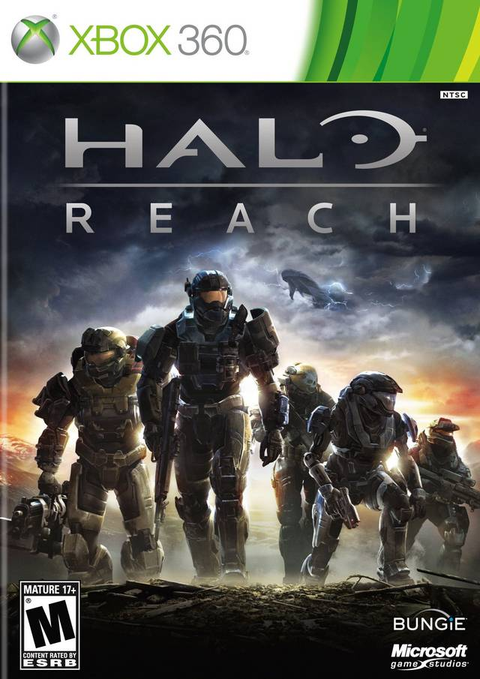
On Steam, Reach is played within the Master Chief Collection framework, but the storefront specifically says you can purchase Reach separately or as part of the full collection. Do not mistake the base-game notice for a requirement to buy both packages. Zypher's Halo: Reach physical listing is the original Xbox 360 edition, a separate format from the PC version pictured here. Check your intended platform and the exact copy's contents.
Browse Zypher's games for another Halo evening, or see our trading and selling information when your shelf needs a reshuffle.
Sources and image credits
- Microsoft original Halo: Reach manual, armor abilities section
- Publisher Halo: Reach Steam listing and purchase clarification
- Official Halo Bulletin, August 31, 2011, archived by Halo.Bungie.Org
Images: store.steampowered.com. Full source proportions retained. Used with permission from Microsoft.