A failed Combo Breaker in Killer Instinct is information. The lockout tells you that the attempt went wrong, and its display helps distinguish a strength mistake from a timing mistake. If you respond by pressing more buttons as fast as possible, you can miss the most useful lesson the game just offered.
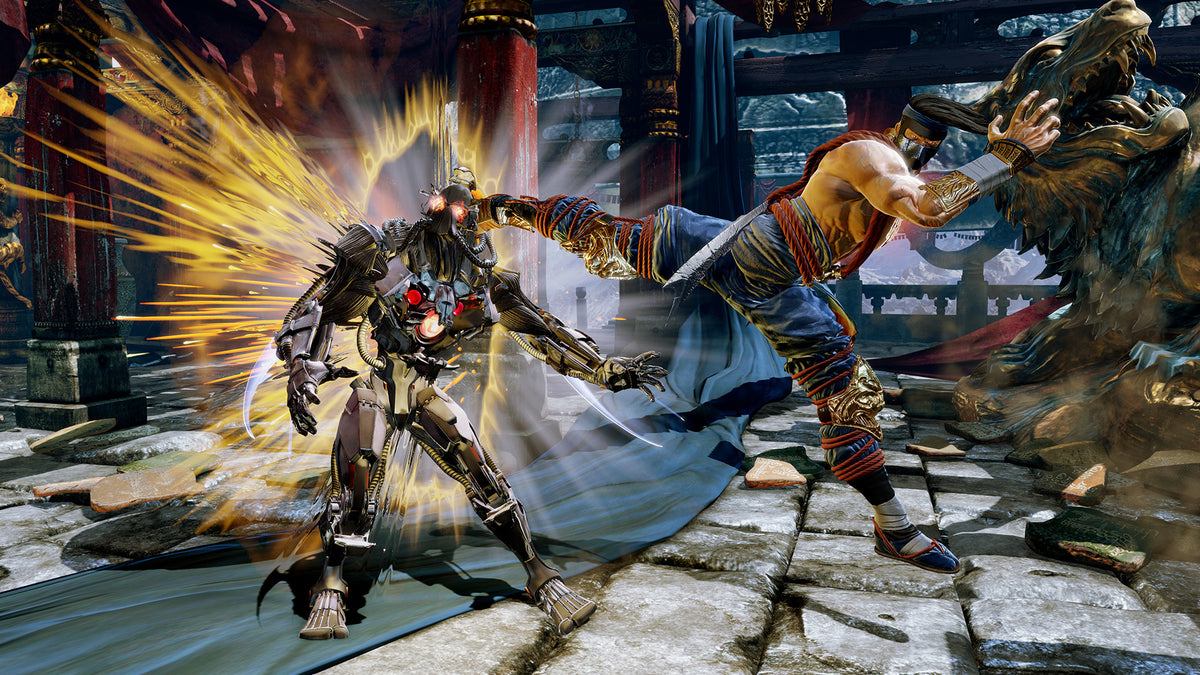
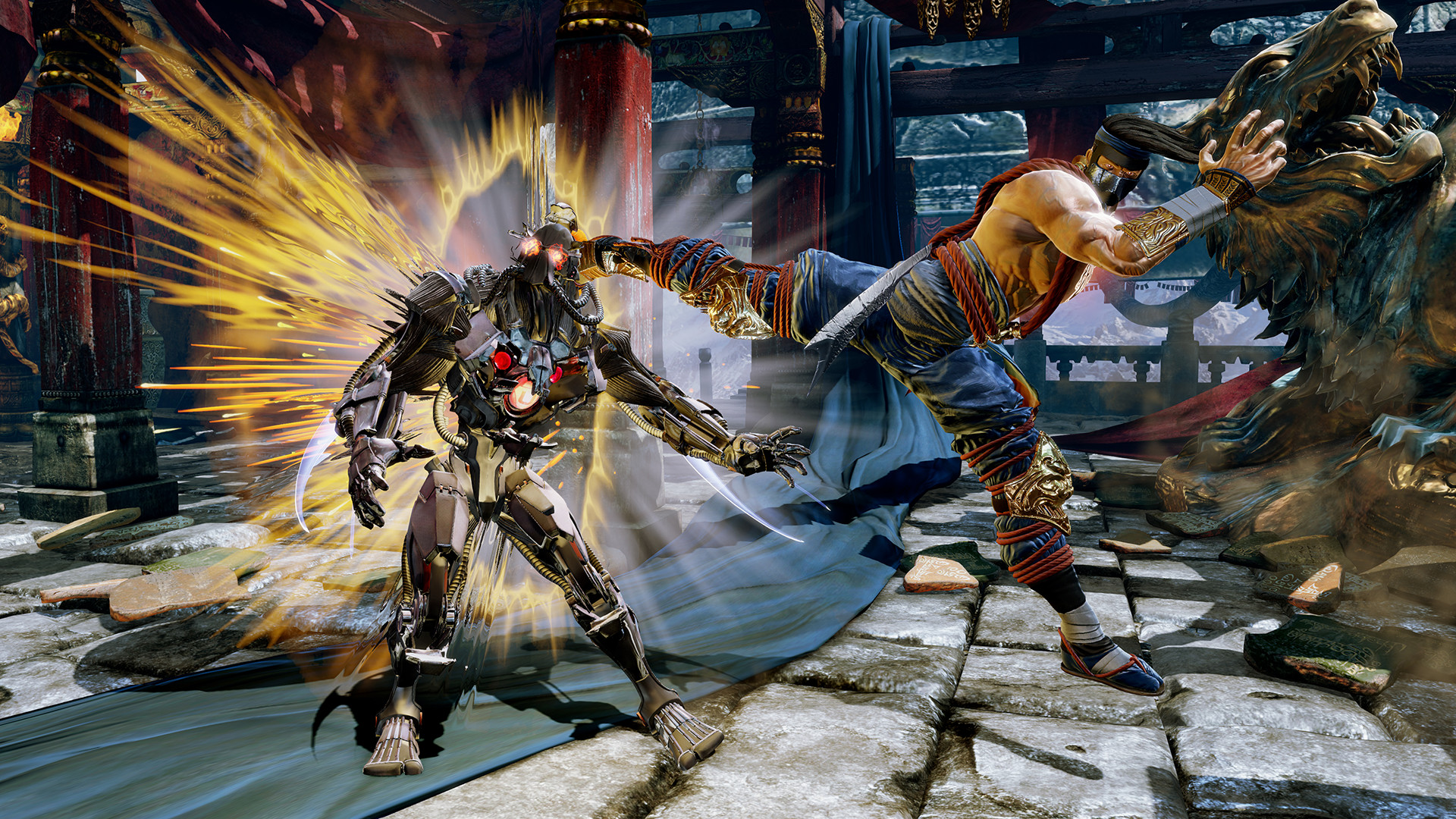
This is the modern Killer Instinct that began on Xbox One, illustrated here with its official PC screenshots. The starting point is the exchange between the player performing a combo and the defender deciding whether, when and how to break it. Both people have a decision to make.
Know which side of the exchange you are on
A Combo Breaker is a defensive attempt to interrupt a breakable part of an opponent’s combo. A Counter Breaker is the attacker’s attempt to catch that defensive decision. The similar names can hide a very important difference in responsibility.
| Decision | Who makes it? | What to read |
|---|---|---|
| Combo Breaker | The defender receiving the combo | A breakable hit, its strength and the timing |
| Counter Breaker | The attacker performing the combo | Whether the defender is about to attempt a break |
| Continue observing | Either player, as appropriate | The opponent’s pattern instead of immediately committing |
That last decision deserves space. Knowing an input does not make using it immediately the right choice. Sometimes the better learning goal is to identify the next hit or the opponent’s habit before taking another risk.
Breakable hits have strength and timing
The official Killer Instinct site points players to Infil’s detailed guide, developed in close collaboration with the game’s team. Its breaker explanation distinguishes breakable combo elements, such as doubles and linkers, from actions that cannot be broken in the same way. An ordinary opener is not permission to mash a breaker at any instant.
A regular breaker uses punch and kick of the matching strength. Learn those pairings in your own control layout before trying to read them under pressure. The useful sequence is recognizing the situation, choosing the strength and timing the attempt. Skipping the first part makes the rest a guess.

Read the lockout instead of arguing with it
Infil’s guide explains that a strength lockout identifies the needed strength with L, M or H, while a timing lockout uses a clock symbol. Those are different errors. One points toward recognizing the move’s strength; the other points toward when the input was attempted.
For a training session, focus on one error at a time. If strength is the problem, observe the move and practise identifying it. If timing is the problem, use a predictable sequence so the visual event and the input can be connected. Making both variables unpredictable at once gives you less useful feedback.
Then return to a less scripted situation and see whether the recognition carries over. You are trying to develop a readable exchange, not prove you can guess correctly once. A successful break becomes more useful when you understand why the attempt worked.

A Counter Breaker is a commitment
The attacker can use a Counter Breaker to bait a defensive breaker attempt. Infil describes the input as medium punch plus medium kick during the appropriate combo situation. The attacker stops the normal sequence to make that read; if the defender does not take the bait, the attempt leaves an opening.
That risk is what makes the interaction interesting. A defender who always tries to break at the same recognizable moment gives the attacker something to anticipate. An attacker who always counters at that moment can become predictable in turn.
If you want to learn this layer, begin by watching for a pattern rather than inserting Counter Breakers at random. Notice the moment an opponent favors, then decide whether committing to the read is justified. It is a conversation conducted with threats, timing and occasional spectacular mistakes.

Combo Assist does not make the decision for you
The official how-to-play page describes configurable Combo Assist and explicitly says it leaves breaker and Counter Breaker interactions intact. It can help with execution while leaving the opponent-reading part of the fight in your hands.
That makes it a useful option to inspect if command execution is consuming all your attention. Try a setting that lets you follow the combo structure, then keep practising the defensive and attacking decisions. Assistance with one layer does not remove the need to understand another.
The current PC description also identifies Dojo lessons and Combo Breaker Training. Use them with a specific question in mind: can you recognize the strength, can you attempt the break at the right time, and can you tell which mistake a lockout just reported? That is a much better practice target than “somehow get good at combos.”

Find your next game at Zypher
Use the current PC listing to check the available package and fighter access. A similarly named classic Killer Instinct release is a different game, so check the platform and edition on any physical listing. Browse Zypher’s current games, or start with our trading and selling page to make room for your next pick.


