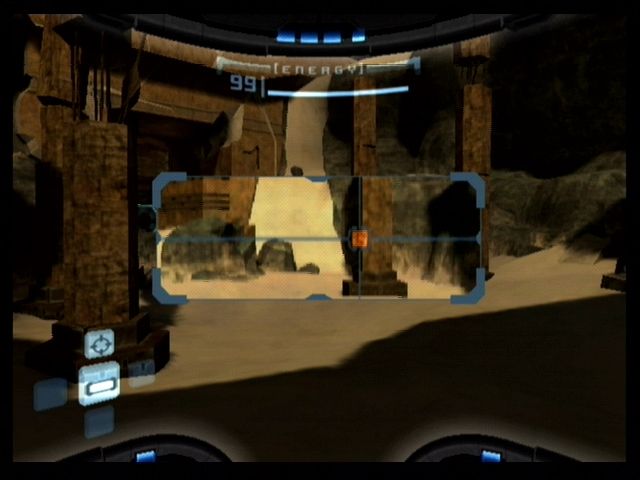
Metroid Prime on Nintendo GameCube asks Samus Aran to investigate an alien planet from inside her helmet. The arm cannon gets the screenshots, but the Scan Visor does something just as important: it makes information feel like equipment.
Tallon IV is packed with machinery, wildlife, Chozo ruins and Space Pirate research. Pointing the visor at those details can explain what a creature does, reveal a weak point, operate a device or uncover part of the planet’s history. That sounds like a lot of reading for a game with missiles. Somehow, it works.

The visor turns looking around into a mechanic
Nintendo’s official description calls the visors selectable interfaces that let Samus analyze and interact with the world. The Scan Visor draws from an accumulated database, while later Thermal and X-ray Visors reveal parts of the environment that ordinary sight misses. This is not decorative helmet glass. Changing the display changes what the player can understand and, sometimes, where the player can go.
The clever part is that scanning does several jobs without feeling like a separate encyclopedia bolted onto the adventure. A creature scan can suggest how to fight. A control panel can open a route. Pirate research and Chozo writing add context to places that would otherwise be another handsome corridor full of expensive doors. The world explains itself through evidence, and Samus is the person equipped to read it.

Tallon IV rewards curiosity before it rewards memory
Metroid Prime is built around interconnected regions. Nintendo’s current page for the remaster explicitly tells players to revisit areas after gaining abilities, because new routes and secrets become available. The Scan Visor supports that structure by giving a room meaning before every door can be opened.
You may not have the beam, suit upgrade or movement ability needed to solve a problem yet. You can still inspect it. That small distinction matters. A blocked path stops being random scenery and becomes a note for later. The game is teaching you how Tallon IV works while refusing to hand over every answer immediately. It trusts players to carry an idea from one region to another instead of painting a giant arrow on the floor.
There is also a useful rhythm to the visor switching. Combat View is for moving and shooting. Scan View slows the player down and asks for attention. Thermal and X-ray views later make the same room feel unfamiliar again. Metroid Prime keeps changing what “seeing” means, which is a wonderfully nerdy trick for a game about an armored bounty hunter fighting mutant space creatures.

Environmental storytelling needs useful details
Plenty of games scatter text logs around and hope the player becomes emotionally attached to somebody else’s inbox. Metroid Prime ties much of its information to the room where it matters. The player sees an experiment, a ruin or a creature and then gets a closer explanation through Samus’s own toolset.
That connection is why the scanning rarely feels like homework. The information can support navigation, combat or the broader history of Phazon and the Chozo. Nintendo describes the central task as exploring Tallon IV’s interconnected regions, investigating its secrets and ending the threat posed by Phazon. The visor serves every part of that job. It makes the story something the player investigates instead of something the game pauses to recite.
Not every scan is mandatory, and that is healthy. Players who want the fastest route can keep moving. Players who want the fuller picture can examine more of the world. The system adds depth without turning every hallway into a mandatory reading test supervised by a glowing blue clipboard.
The remaster preserves the idea and modernizes the controls
Metroid Prime Remastered arrived on Nintendo Switch on February 8, 2023. Nintendo lists remastered visuals and audio, multiple difficulty options, bonus galleries and several control layouts. The modern dual-analog option is especially useful for players accustomed to current first-person games, while control choices inspired by the GameCube original and the Wii’s Metroid Prime: Trilogy remain available.
The important design survives every control scheme. Samus still explores by combining observation with newly recovered abilities. The Scan Visor still interfaces with machines, finds historical information and helps identify enemy weak points. Better sticks do not replace the original idea. They simply make the helmet easier for a new player to inhabit.

Which version should you play?
The original GameCube release is the cleanest way to experience the controls and presentation that established the formula. Metroid Prime: Trilogy on Wii bundles the three main Prime adventures and uses pointer controls. The Switch remaster focuses on the first game with rebuilt presentation and a broader selection of control options.
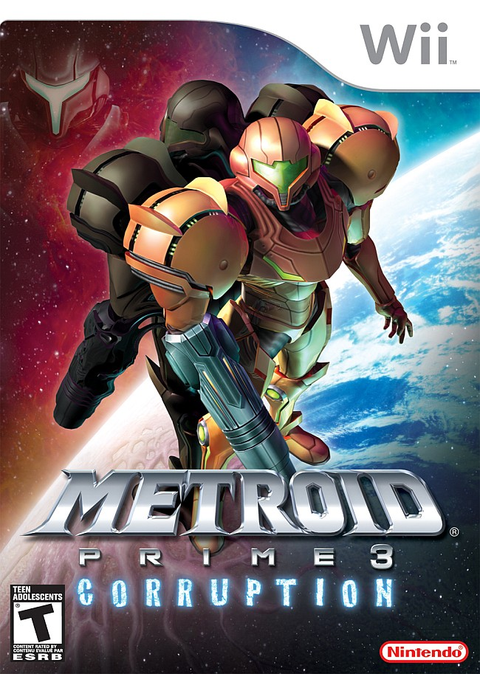
Collectors can also continue with Metroid Prime 2: Echoes on GameCube and Metroid Prime 3: Corruption on Wii. Check the exact platform and condition shown on each product page before ordering. A GameCube disc, a Wii compilation and a Switch remaster are three different ways into the same helmet, and none of them magically turns into the others because the listing thumbnail looked familiar.
Sources
- Nintendo: Metroid Prime Remastered official product page, checked October 24, 2026.
- Nintendo UK: Metroid Prime Trilogy official game page, checked October 24, 2026.
- Gameplay images retained in Zypher’s Metroid Prime product catalog from MobyGames, checked October 24, 2026.