The sword passes right through a creature, the creature remains deeply unimpressed, and your green bar is nearly empty. The Elder Scrolls III: Morrowind can make a first fight feel like a disagreement between what the animation shows and what your character can actually do.
The useful response is to inspect the character before blaming the mouse or controller. This is an RPG with weapon skills, attributes, fatigue and equipment condition. A promising-looking blade is only part of the situation. Here is a practical way to approach the original game’s early combat without installing a mod that changes the rules you are trying to learn.

The green bar matters before the first swing
Fatigue is the green resource, distinct from red Health and blue Magicka. Bethesda’s manual explains that low Fatigue makes attacks and spellcasting harder to perform successfully. Running, jumping, fast swimming and weapon swings consume it; walking, waiting, resting and suitable potions or spells can restore it.
That gives an ordinary walk toward trouble a tactical purpose. If you arrive exhausted and immediately start swinging, you have carried the travel cost into the fight. Our recommendation for an early encounter is simple: notice the green bar while approaching, and give yourself a chance to recover before committing when the situation permits.
This is also a useful test of expectations. A low bar does not merely mean “I cannot sprint for a moment.” It affects the action you are hoping will rescue you. Hammering the attack input while tired is a poor experiment if you are trying to discover whether the weapon suits your character.

Read the skill beside the weapon
Morrowind separates weapon families. Long Blade, Short Blade, Axe, Blunt Weapon, Spear and Marksman describe different proficiencies. Bethesda’s skill reference puts swords such as broadswords and claymores under Long Blade, while daggers and short swords belong under Short Blade. A character can be much more comfortable with one than another.
Before choosing the weapon with the exciting damage range, compare its family with your skills. For a learning run, use equipment that fits the character you actually made. A dagger is not automatically a sensible starter choice for someone whose useful training is elsewhere.
The key distinction is between potential and dependable execution. An impressive weapon description does not erase a poor match with your build. If you want to change specialties, treat that as character development to work toward, rather than expecting a newly found weapon to bring the proficiency with it.

Do not ask one number to explain the whole fight
Agility affects hitting and dodging, while Strength affects melee damage, according to Bethesda’s attribute reference. Those are related combat concerns, but they answer different questions. Landing a blow and making that blow hurt are not interchangeable.
That makes a controlled comparison more useful than a frantic equipment shuffle. Start with a weapon family your character knows, recover Fatigue, and pay attention to the result. Change one thing at a time. If you swap weapon, armor, spell and approach together, the next success will not tell you which change helped.
There is no need to calculate an elaborate chance-to-hit formula to benefit from this. The early goal is to make the interface meaningful: which skill belongs to the weapon, which bar is depleted, and which attribute is relevant to the problem? Those questions survive long after the first hostile creature stops being a threat.

A worn weapon has another problem
Bethesda’s Armorer description says worn weapons do less damage and worn armor provides less protection. Equipment condition is therefore another reason a familiar item may be performing poorly.
Make condition part of the check before a longer trip. If the combat felt manageable earlier and now seems worse, compare the equipment as well as the character. A new loot find may be tempting, but keeping a suitable item effective is its own preparation task.
This is where the game’s slower rhythm starts to make sense. Visiting town, sorting supplies and setting out again can feel like friction if all you want is the next enemy. Those pauses also create opportunities to address the reasons the next encounter might go wrong.

Keep the edition question separate from the combat question
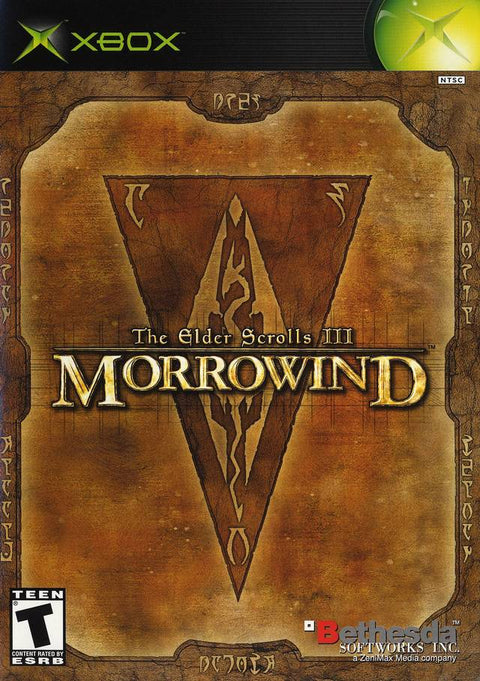
The current PC Game of the Year package includes Tribunal and Bloodmoon. A physical original Xbox listing is a different product, so check the exact edition and stated contents before assuming those expansions come with a copy.
The screenshots here are official PC images, preserving their original proportions. They illustrate Morrowind’s world rather than promising a modern remake or an identical interface on every platform. For an Xbox purchase, use the actual Xbox listing to establish what is being sold.
The most useful first-session habit is to stop for a short character check before your next fight: suitable weapon skill, recovered Fatigue and equipment in good condition. Morrowind becomes easier to read when a miss is something to investigate, rather than an invitation to click twice as angrily.

Find your next game at Zypher
Check the Morrowind original Xbox listing for the selected copy’s edition and condition. Browse Zypher’s current games, or start with our trading and selling page to make room for your next pick.