Mae Borowski comes home expecting to pick up an old life. Her friends have apparently committed the outrageous offense of continuing to live theirs. That mismatch gives Night in the Woods a stronger starting point than another adventure about a hero arriving somewhere everyone has been waiting for them.
Infinite Fall’s adventure follows a college dropout returning to Possum Springs, a former mining town where familiar people and places no longer fit her expectations. Finji publishes it, and the original PC release dates to February 21, 2017. This is a spoiler-light look at why spending time with its people matters, plus a few useful expectations to bring to a first playthrough.
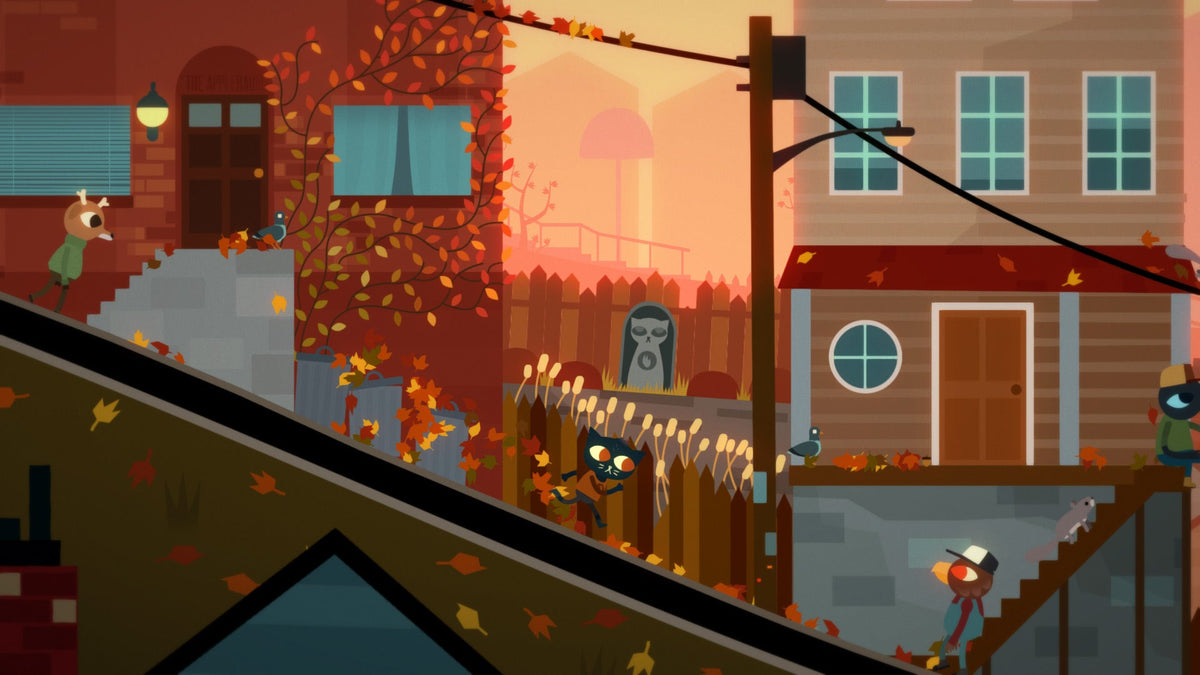
Featured screenshot: an autumn street in Possum Springs, supplied through Finji’s official press resources. Night in the Woods by Infinite Fall. Images are unaltered publisher-supplied gameplay scenes, not new Zypher captures.
Being the main character does not make everyone available
The publisher’s premise makes the conflict clear: Mae wants her previous life back, while the friends she left have changed. The useful distinction is between returning to a location and returning to a relationship. You can reach the same street without finding the same arrangement of people and responsibilities.
Our reading is that this gives ordinary conversations real stakes. A friend can have a perfectly understandable concern that does not line up with what Mae wants that afternoon. You do not need a world-ending threat to make that uncomfortable. Someone having a job can be a serious obstacle to your carefully scheduled plan to accomplish absolutely nothing.
It also changes how to approach the cast. Rather than immediately sorting everyone into helpful people and inconvenient people, ask what each person is trying to maintain or escape. Mae is the way into the town, but her expectations are not the only reasonable account of it.

Bea, Gregg and Angus bring different pressures
In his original PlayStation introduction, co-designer Scott Benson described Bea’s family-business responsibilities and Gregg and Angus working toward leaving Possum Springs. These are useful background details to know without learning the later story.
They establish a contrast between staying because something depends on you and trying to build a route out. Mae’s return adds another direction: coming back to something she remembers. Three people can share a hometown while assigning very different meanings to remaining there.
That is why a conversation-led adventure can make the choice of company interesting. The appeal is not simply collecting another character’s biography. Spending time with someone gives you a different set of concerns to pay attention to. If you particularly connect with one person, following that interest is a sensible way to play, without forcing every first decision to serve a completion plan.
Your time is part of what you choose
Benson’s launch-era explanation says that how you spend time in Possum Springs affects what you do and whom you get to know. He also states that seeing everything takes more than one playthrough. The important practical consequence is modest: do not expect one first run to contain every experience.
A useful first-playthrough aim is to understand the company you choose. Notice how a conversation connects with what that person wants from Possum Springs. The interest comes from the difference between their situation and Mae’s, rather than assuming everyone shares her reason for being there.
Benson’s point about multiple playthroughs is also permission to leave some curiosity for another visit. Finishing with a better understanding of one friend is a meaningful result even if another character remains less familiar. This is advice about choosing a focus, not a claim that the game imposes a real-time deadline on every conversation.

There is movement between the conversations
This is not a promise of an action game hiding under a story-game label. Benson’s descriptions include running, jumping between buildings, bass playing and smaller activities. The current PC listing still identifies exploration, story and characters as its focus.
Those activities offer another way to understand the setting: something to move through and spend time in, alongside something to read about. The featured street screenshot makes that appeal visible. Stairs, rooftops, windows and autumn foliage give the town a more specific identity than an empty corridor connecting dialogue boxes.
For a first session, bring an appetite for conversation and observation. If you want a constant sequence of combat encounters, that is a different shopping request. Knowing the difference before buying is more useful than expecting every game with a moving character to supply the same kind of evening.

Choose an edition, not an assumption
The February 21, 2017 date above identifies the original PC release. It is not a claim that every later console version launched that day. Likewise, an old launch post’s description of a digital release is historical context, not a universal statement about every edition available years later.
Use the platform and contents of the actual offer you are considering. A soundtrack bundle is not another campaign, and a familiar title in an old subscription announcement does not establish current membership access. For this feature, the point is the adventure itself; no current subscription inclusion or physical stock is promised.
Find your next game at Zypher
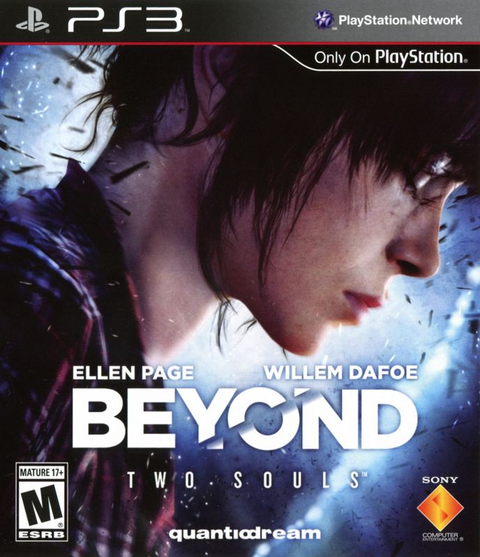
Buy your next physical game from Zypher Trading Video Games. For a separate purchase, check our verified Beyond: Two Souls PS3 listing. Read its selected condition and included contents before ordering. This is a different game and edition, not a Night in the Woods listing.
Browse Zypher’s current games, or sell your old games to Zypher and check current eligibility. Sources, press-image provenance and store listings checked November 3, 2026. Comparisons and first-playthrough suggestions are Zypher editorial interpretation.