A custom spell can look brilliant in Oblivion’s creation menu and remain completely useless to the character who paid for it. The effect is real. So is the Magicka cost. Cyrodiil does not offer a refund because your wizard got ambitious.
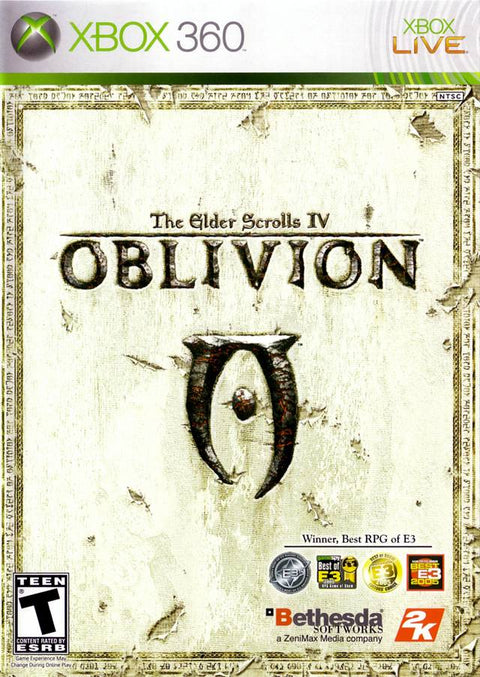
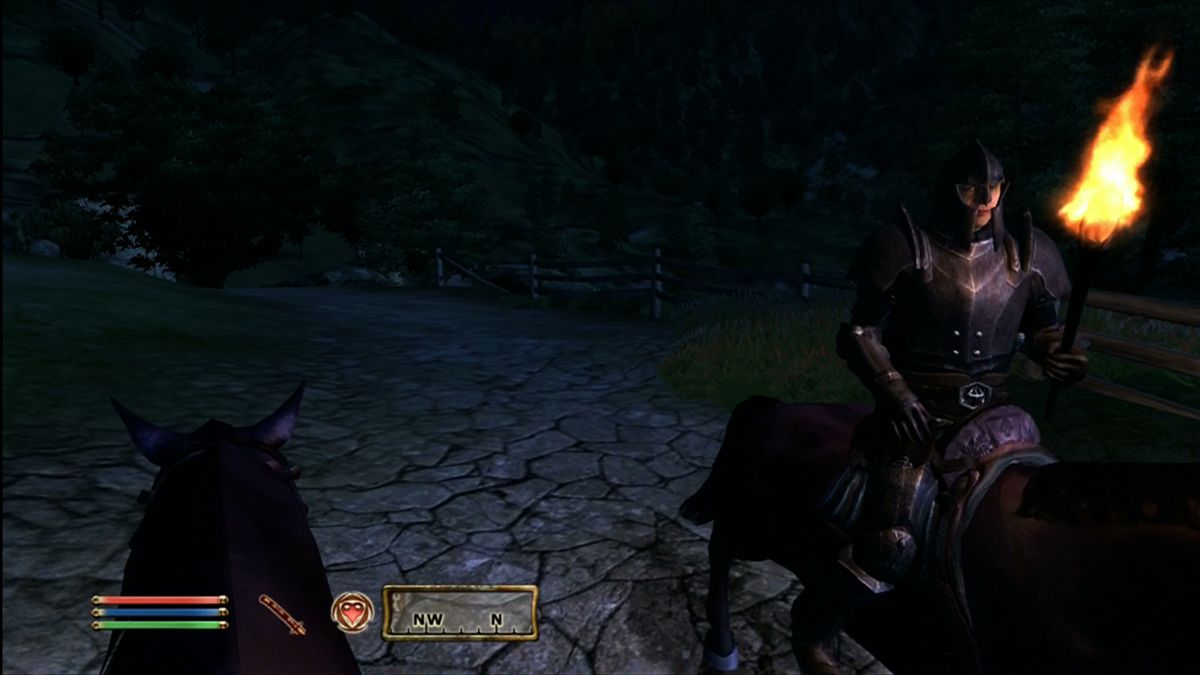
In the original The Elder Scrolls IV: Oblivion, making a spell and enchanting an item use related ingredients but solve different problems. One adds a castable tool to your repertoire. The other attaches magic to equipment. Here is how to tell which project you actually need before spending your gold. This guide concerns the original game, with Xbox 360 images, rather than Oblivion Remastered.

Get to the correct altar first
The original manual places the Mages Guild’s spellmaking altars in the Arcane University’s Praxographical Center. Enchanting belongs in the Chironasium. Access follows sufficient advancement in the Guild, so walking into the university district and owning a few spells are different stages of the process.
Treat that distinction as a quest objective rather than a shopping problem. If you cannot use the facilities yet, another expensive spell purchase will not substitute for the required Guild progress. Once you have access, choose the altar that matches the result you want: a spell to cast or an item to wear or wield.
The university gives magical development a useful physical destination. Your next improvement can begin with a trip through the city rather than another fight. Arrive with an idea, a budget and knowledge of the effects your character already knows.

Build a spell your character can actually cast
Spellmaking draws from known magical effects. You can adjust magnitude, duration and area, and combine effects. The menu also reports the casting skill required, the Magicka cost and the gold cost of creating the spell.
Those are three separate constraints. Having enough gold establishes that you can buy the creation. It does not establish that your relevant magical skill is high enough, or that your current Magicka pool can pay for a cast. Inspect all three before confirming.
Our recommendation is to begin with the smallest version that answers your immediate problem. If you want a longer-lasting effect, adjust duration and watch the cost rather than also expanding its area and strength out of habit. Changing several settings together makes it harder to see which luxury made the spell impractical.
For a combined spell, explain what each component contributes. A second effect should earn its place through the way you intend to use the spell. A complicated name and a crowded effect list are not the same thing as a useful tool.

Enchanting needs more than an attractive piece of gear
At an enchanting altar, you need an eligible item, a filled soul gem, an applicable known effect and enough gold. The manual explicitly limits which effects can be applied to which items. Finding an effect in your spell list does not make every piece of equipment a compatible recipient.
Start by choosing the object and then examining the effects the altar permits. That order keeps the project concrete. A weapon you intend to use regularly and clothing you expect to keep equipped have different jobs, even if both can carry magic.
A filled soul gem is also part of the cost. Do not judge an enchantment solely by the gold figure and discover afterward that you spent a resource you were saving for another item. Review the full combination before committing.

Constant effects and weapon charges create different upkeep
The manual distinguishes constant enchantments on clothing and armor from charged effects on weapons and staves. Clothing and armor effects do not need recharging. A weapon or staff can run out of magical charge and require a recharge.
For a weapon project, look at charge cost and maximum uses alongside the effect. A powerful result with limited uses asks a different question from a modest effect you can trigger more often. Decide which fits the encounters you expect, rather than treating the largest effect as an automatic upgrade.
For worn equipment, think about the effect’s place in your regular outfit. Its appeal comes from having that benefit available while the item is equipped. You are choosing part of a loadout, not a spell you can pull out only when convenient.

Keep a simple creation routine
Before creating, name the job: a castable effect for a specific situation, or an enchantment for a particular item. For a spell, compare skill, Magicka and gold. For an enchantment, compare item eligibility, the filled soul gem, cost and any charge upkeep.
Afterward, try the result in a manageable situation before relying on it during a difficult fight. That lets you judge your own design against what you actually wanted it to accomplish. The satisfying part of Oblivion’s magic is making something personal that works, not merely making the menu accept an expensive idea.

Shop games and make room for the next one
Find Oblivion for Xbox 360 at Zypher and check the selected copy’s condition and included items. If you are clearing space, see our trading and selling information.