
Talos I makes an old scrap of equipment worth a second look. In Prey, something you do not want to carry can become material for something you do. The interesting decision is what you are prepared to give up to make that happen.
Arkane’s Prey (2017) connects recycling with fabrication, turning scavenging into a way to shape your next trip through the station. A plan, a supply of materials and a reason to make the item all matter. This guide focuses on that resource loop; our earlier Prey feature examines the separate appeal of human and Typhon powers. Images show PC gameplay and in-game scenes.

Raw material is an intermediate step
Bethesda’s recycling feature explains that breaking items down produces materials used to fabricate other items. Ammo, medkits, the Artax Propulsion System and Neuromods are among its examples, provided you have the appropriate fabrication plan.
The plan requirement matters as much as the supply. A stock of materials cannot manufacture an item whose plan you have not acquired. If the desired result is missing, investigate that requirement rather than assuming another pile of scrap will solve the problem.
It also helps to name the item you are working toward. More material is a flexible resource, but a specific goal makes the next decision easier. You can judge whether to consume something now against what you expect to gain from making something else.

Keep useful equipment useful
The publisher’s equipment guide describes the wrench as a fallback when ammunition or psi energy runs low. The GLOO Cannon can restrain enemies and create improvised climbing platforms. These tools can answer problems without performing the same job as another firearm.
That is a reason to think about the item’s role before reducing unwanted equipment to material. An object can have a value through what it lets Morgan do, not only through what another machine can extract from it.
Before recycling, look at the next stretch of the station you intend to explore. Are you preserving a workable set of options, or stripping the loadout down because a material total looks appealing? Keeping a tool you understand can be more useful than chasing a crafting target without a plan for the trip afterward.

A Recycler Charge is not a tidy inventory button
The Recycler Charge brings the process into the room. Bethesda describes it drawing nearby objects into its effect and leaving material behind. It can also affect Typhon, clear obstacles and destroy something important. Morgan can be caught in it too.
Inspect the area before throwing one. Identify the objects you intend to consume, anything nearby you want to preserve and the place you will move to after the throw. This is a device with an area of effect, rather than a convenient promise that only unwanted items will disappear.
A charge can connect several goals: dealing with a threat, clearing space and obtaining material. The interesting part is that those goals may conflict. The most dramatic use is not automatically the one that leaves you best prepared afterward.
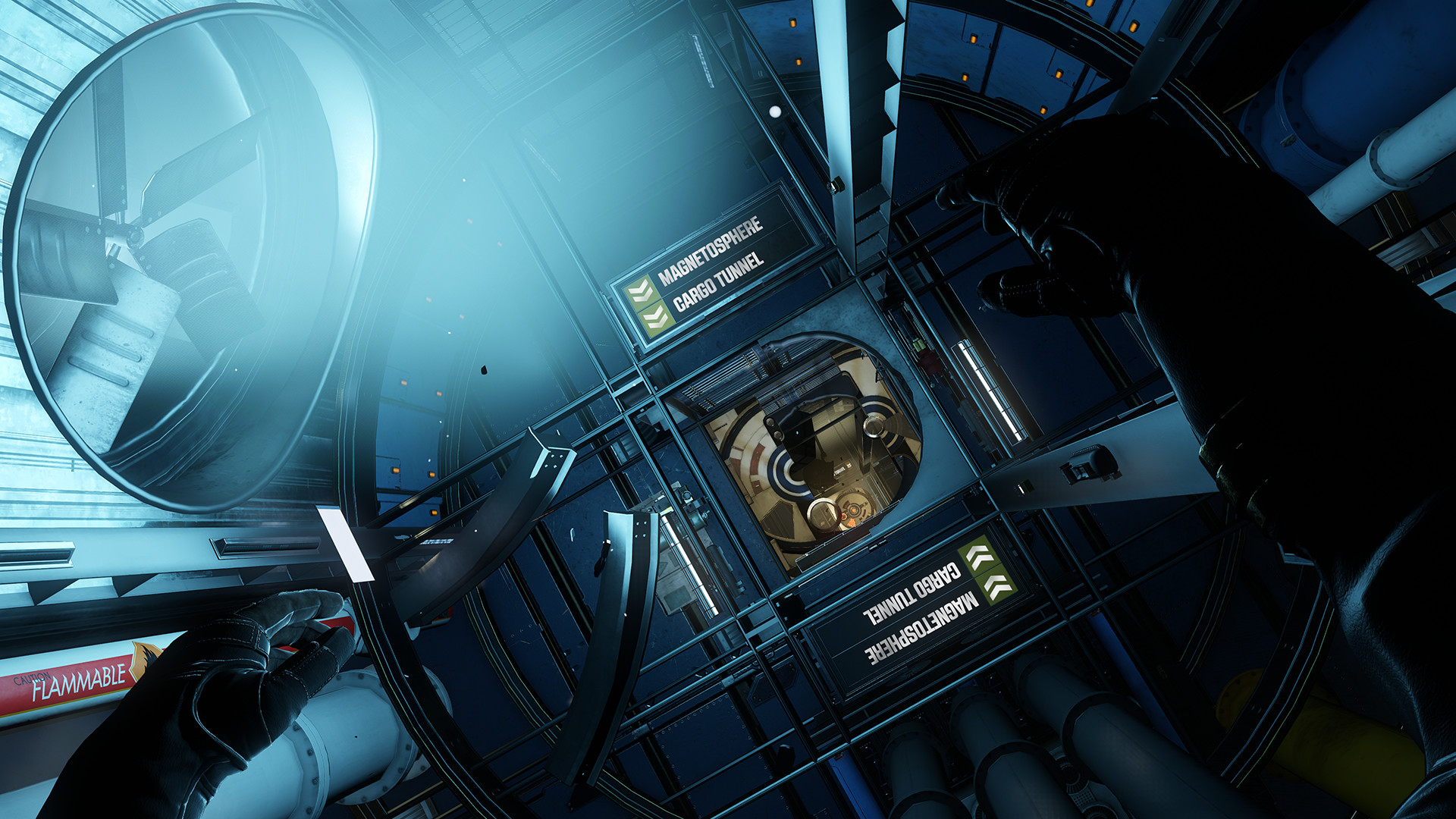
Choose the next manufactured item for the next problem
A medkit, ammunition and a Neuromod answer different needs. Bethesda’s examples show how broad fabrication can be, but the breadth does not make every option equally urgent for your current trip.
If the immediate problem is surviving an encounter, think about the supplies and tools that address it. If the aim is developing a capability, a longer-term fabrication goal may appeal. Compare the intended result with the materials you would commit, rather than treating the most prestigious item as the correct purchase every time.
There is also room to postpone a decision. Returning to the station with a clearer understanding of the obstacle can be more informative than crafting something merely because the machine currently allows it. A resource system is interesting when it supports choices, not when it demands an automatic order of purchases.

Make the supply stop part of the exploration
A useful return to the machines begins with an inventory check and ends with a deliberate loadout. Keep what you expect to use, recycle what you have decided to surrender and fabricate toward an identified need. Check the plan before counting on the result.
Then take that preparation back into the station. The point of gathering resources is to support the next discovery or encounter, not to make the largest possible pile of materials your only objective.
Prey’s recycling is compelling because ordinary debris becomes possibility. It is also a system that asks you to choose what possibility matters right now. Talos I has enough things trying to take your equipment away; there is no need to help without considering the trade.

Shop games and make room for the next one
Find Prey for Xbox One at Zypher and check the selected copy’s condition and included items. If you are clearing space, see our trading and selling information.


