
A finishing move usually means a problem has been removed with considerable force. South of Midnight gives that familiar action a different meaning. Hazel is a Weaver, and the thing coming apart at the end of a fight is the corruption holding a creature in its damaged state.
That idea carries through the combat, travel and Southern Gothic setting. You can still enjoy an enemy being interrupted at exactly the right moment. The interesting part is how Compulsion Games connects that moment to Hazel’s larger task of mending broken bonds.
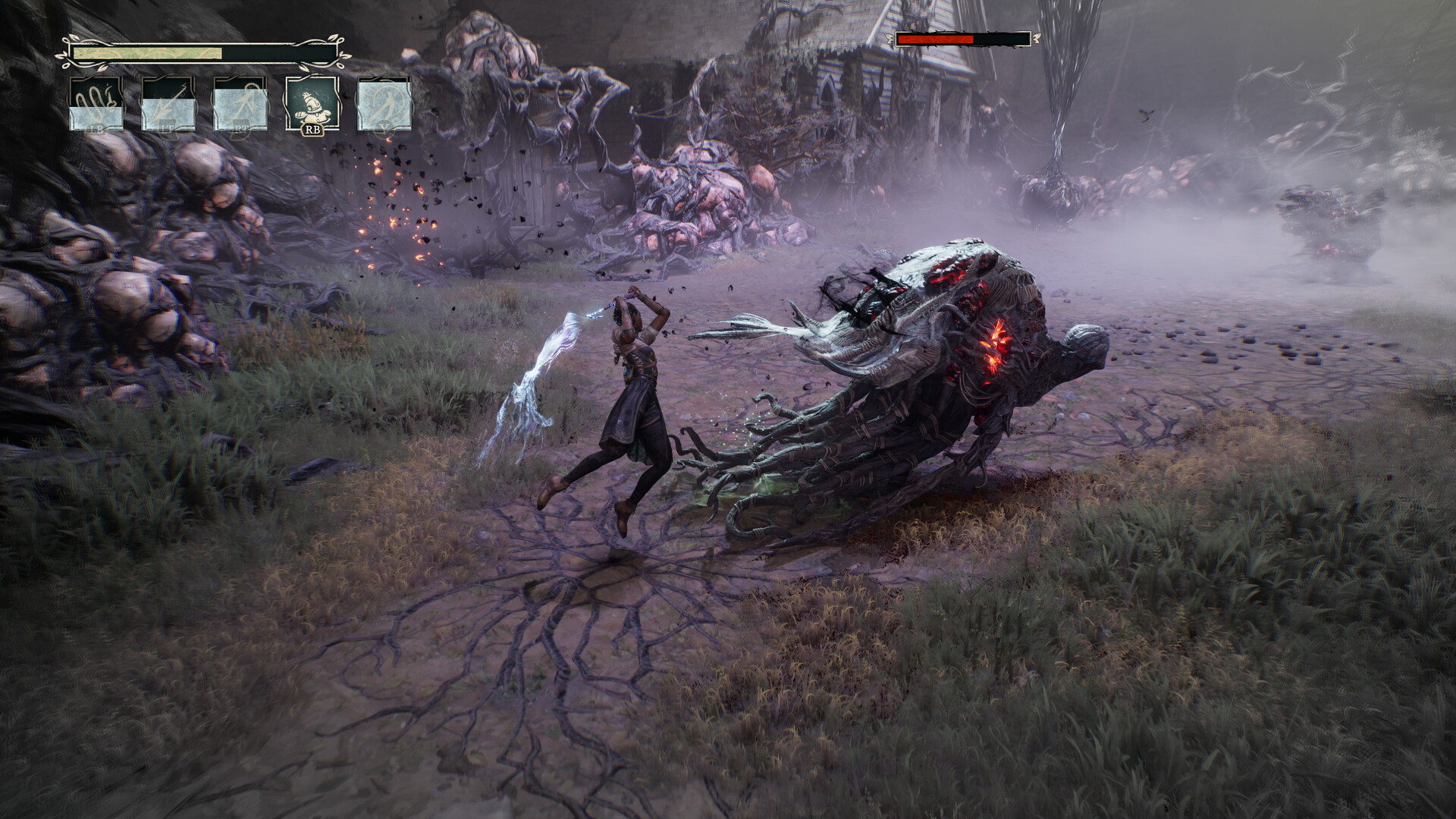
Push and Pull are decisions about space
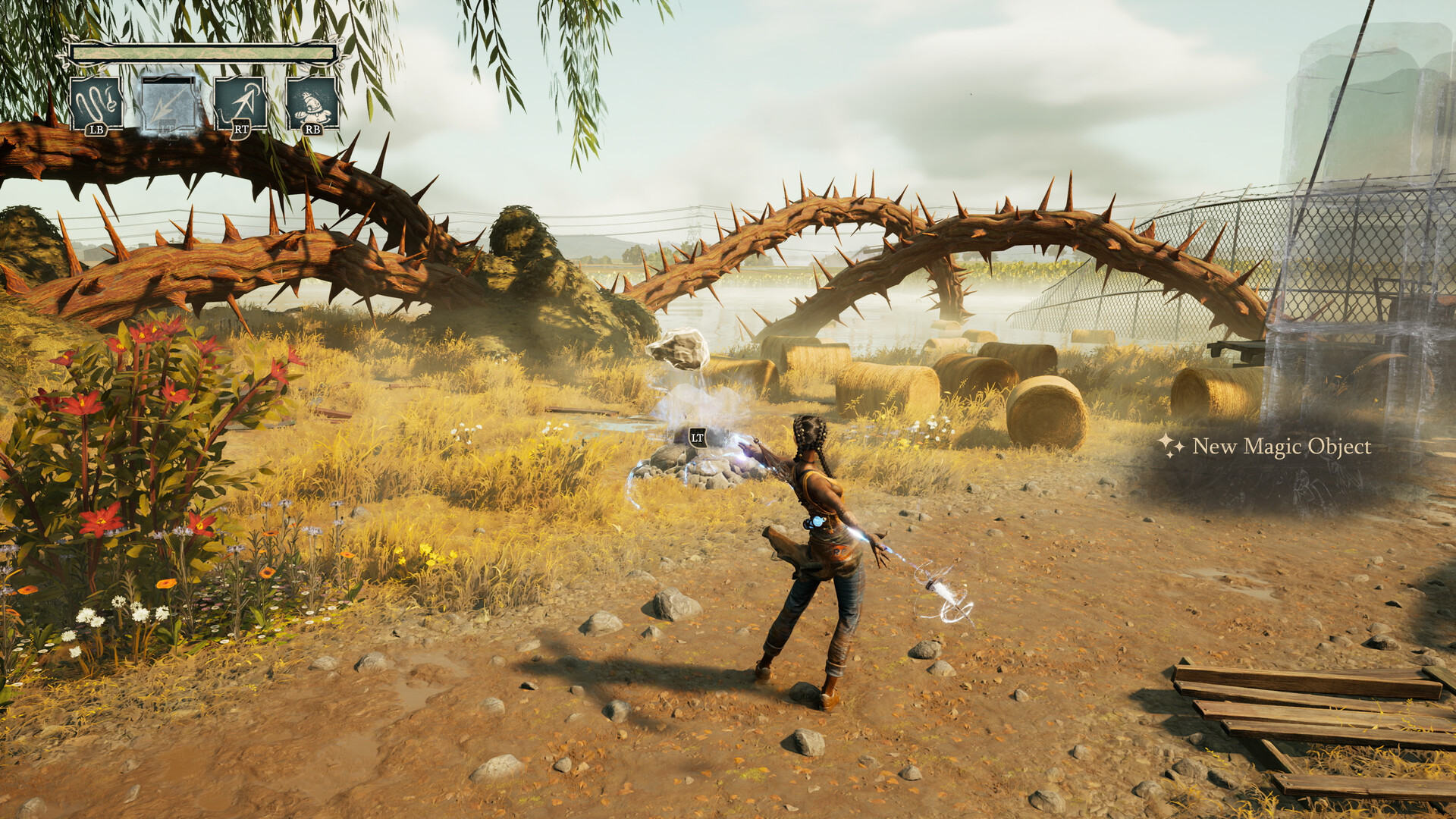
The developer’s January 2025 presentation identifies Push, Pull and Weave as parts of Hazel’s combat kit. Pull can bring a distant enemy into melee range. Push can interrupt and stun, creating room for a follow-up.
Our practical suggestion is to look at what the enemy is making difficult. A target hanging out beyond your immediate reach calls for a different response from one already putting pressure on you. Treating both spells as occasional extra damage misses their usefulness in arranging a fight.
Try making the space around Hazel the first thing you read. Is your intended target isolated? Is another Haint about to interfere? A well-chosen displacement can make your next attack simpler, which is often more valuable than mashing another attack into an untidy situation.
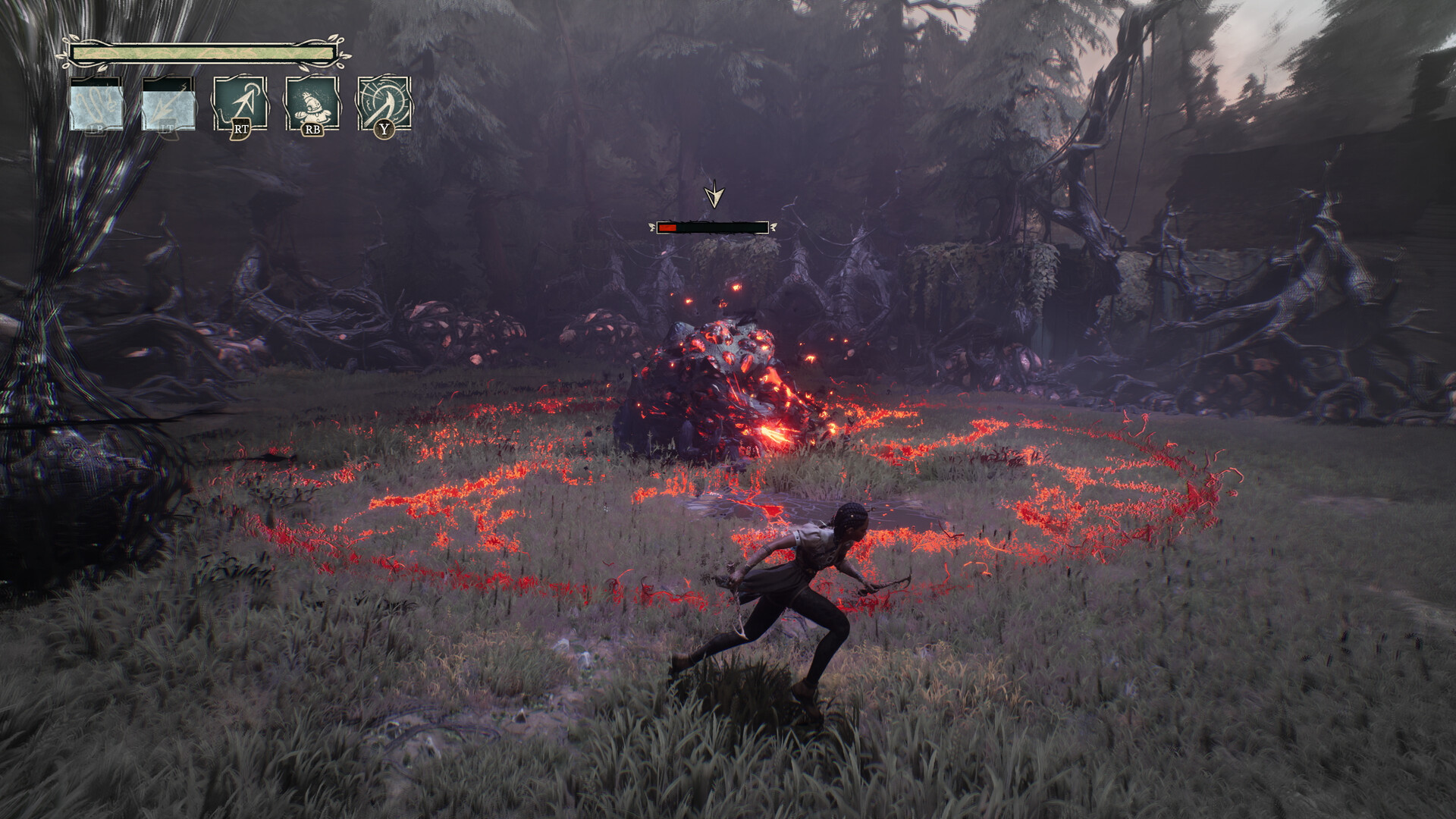
Unravel gives the end of a fight a meaning
In Xbox’s 2024 developer interview, the team explained Haints as manifestations of damaged psychic energy. Weakening one leads to an Unravel action, and the demonstration showed flowers returning around Hazel afterward. The visual recovery is part of the point.
That changes the interpretation of the same action-game rhythm. There is an enemy to read, an opening to create and a finishing action to perform. But the final state is meant to communicate restoration, rather than merely leaving an empty patch of ground.
Look at the environment after an encounter as well as during it. The movement of the fight can pull attention toward the nearest threat. Giving the scene a moment afterward lets the visual result do its share of the storytelling.
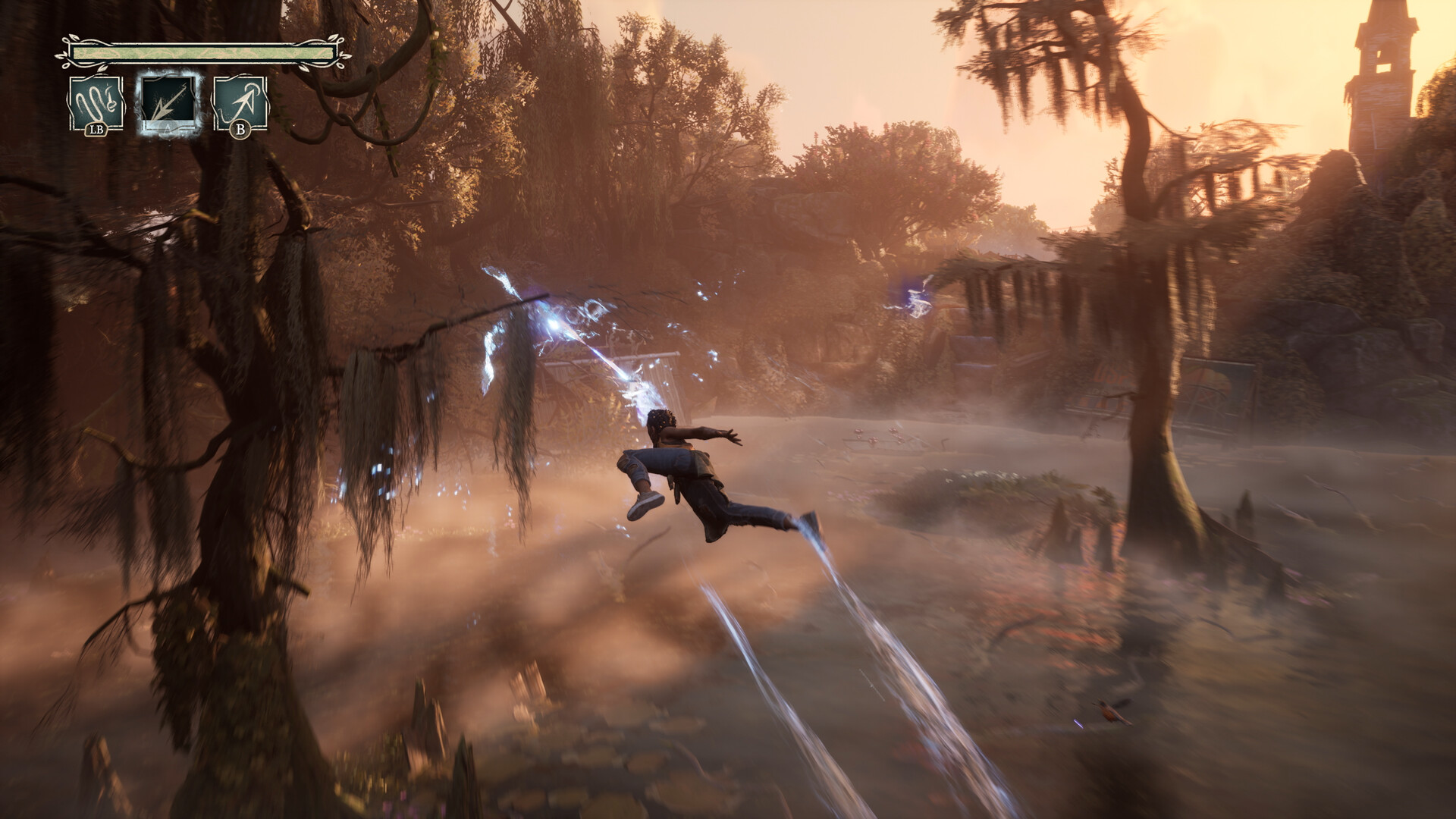
The route can use the same magic as the battle
Compulsion’s official presentations connect Weaving to traversal and puzzles as well as combat. Hazel can conjure past forms of objects to overcome obstacles, while the earlier gameplay reveal demonstrated a Weaver sailcloth used for gliding.
That is a useful connection for a player learning the game’s language. A power does not have to belong permanently in a combat box or an exploration box. Watch how the game presents a gap, a damaged object or an obstruction, then consider what Hazel’s tools can change.
The world is arranged as a sequence of chapters with room for detours. You can follow a story with a defined direction while still looking off the main route for upgrades and views. It is a different appetite from wanting an endless open-world checklist.
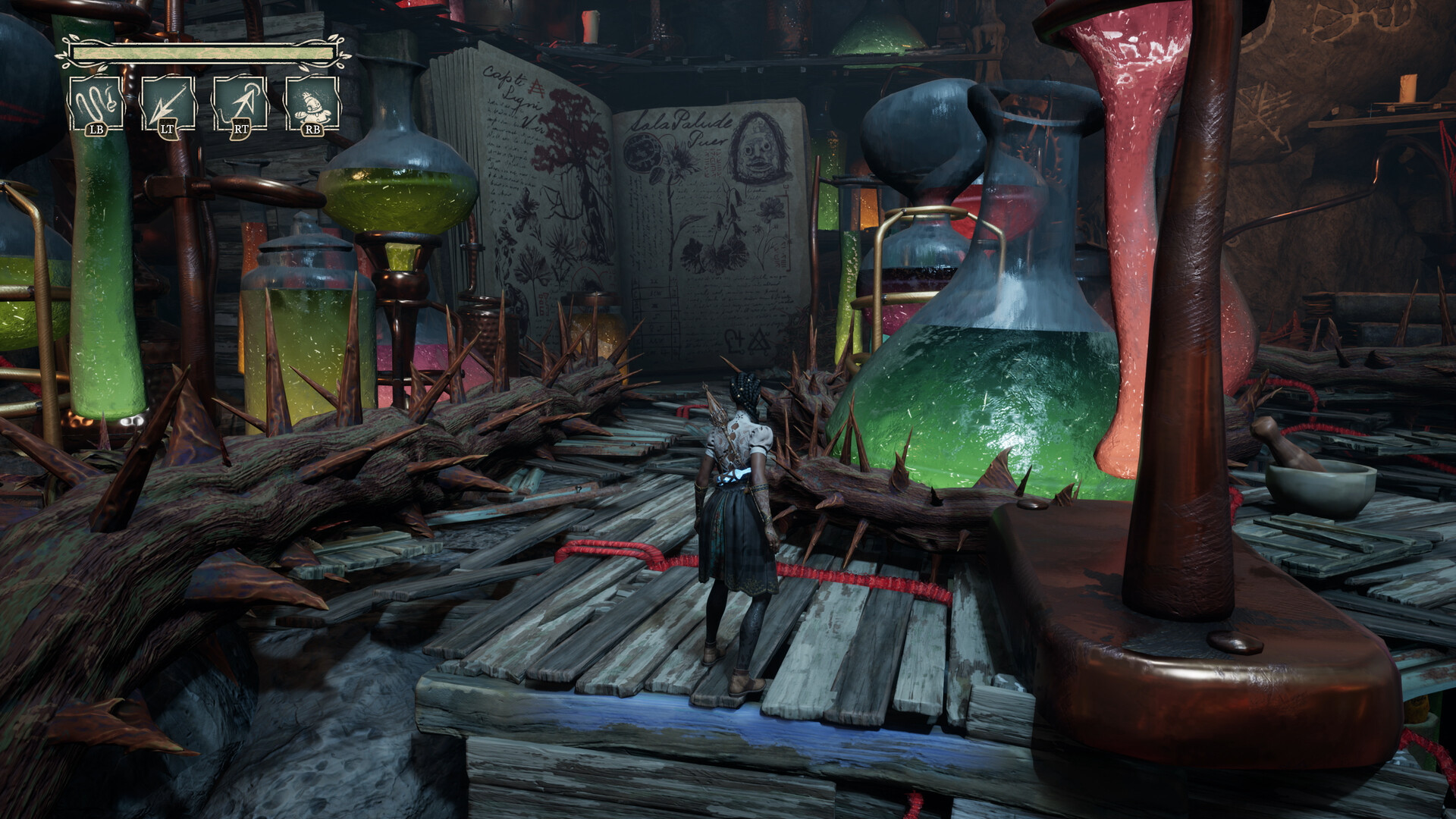
The creatures are characters, not just health bars
Hazel’s search for her mother follows a hurricane through Prospero and into a world shaped by Southern folklore. Catfish, the enormous talking creature she meets, helps introduce her to her role as a Weaver.
Two-Toed Tom is an especially clear statement of scale: an enormous albino alligator whose presence hangs over part of the journey. The developer interview describes creatures as having their own histories, with music helping tell those stories. A boss can be introduced through the place it changes long before the direct confrontation.
Our reading is that this gives the scenery a useful kind of anticipation. A flooded route or an uneasy musical change can make the next encounter feel connected to where you have been traveling. The creature is part of the region’s identity, rather than a locked door that happens to have teeth.
Leave room to hear the place
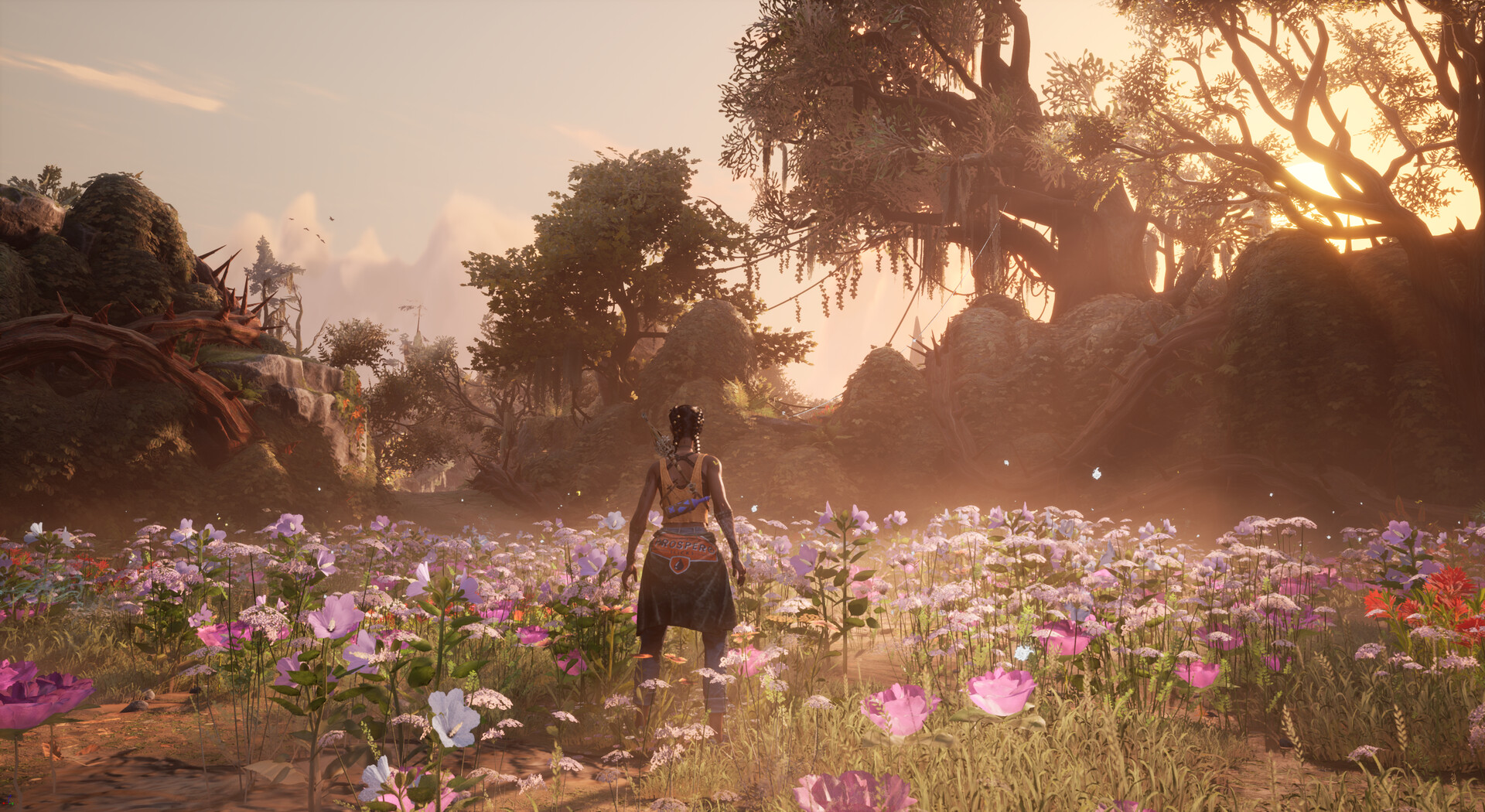
The current PC listing describes an action-adventure centered on Hazel, her family’s shared past and creatures of Southern folklore. The developer’s presentations make the connection between those subjects and the mechanics explicit.
For a first run, we would keep a little space between objectives. Notice how Hazel moves, how an encounter changes the surroundings and how the music frames a creature before reducing the whole chapter to its next marker.
When the next Haint closes in, the advice becomes very practical again: make an opening with the appropriate spell, use it, then look at what has changed. South of Midnight’s restoration theme is strongest when the action and the aftermath both get your attention.
Find your next game at Zypher
Browse Zypher’s current game selection for your next adventure. If your shelf needs room, check our trading and selling information before sending games in.


