
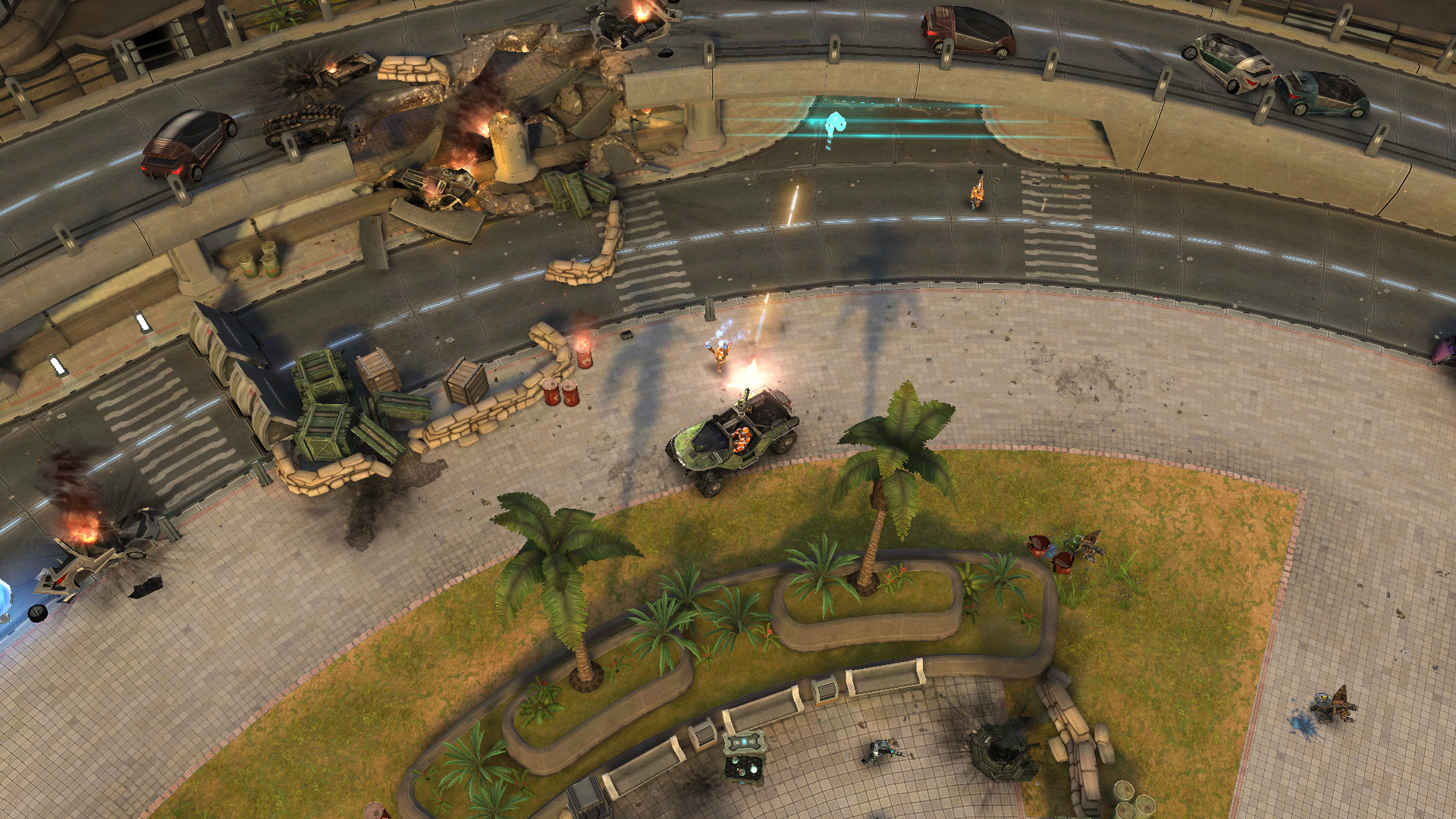
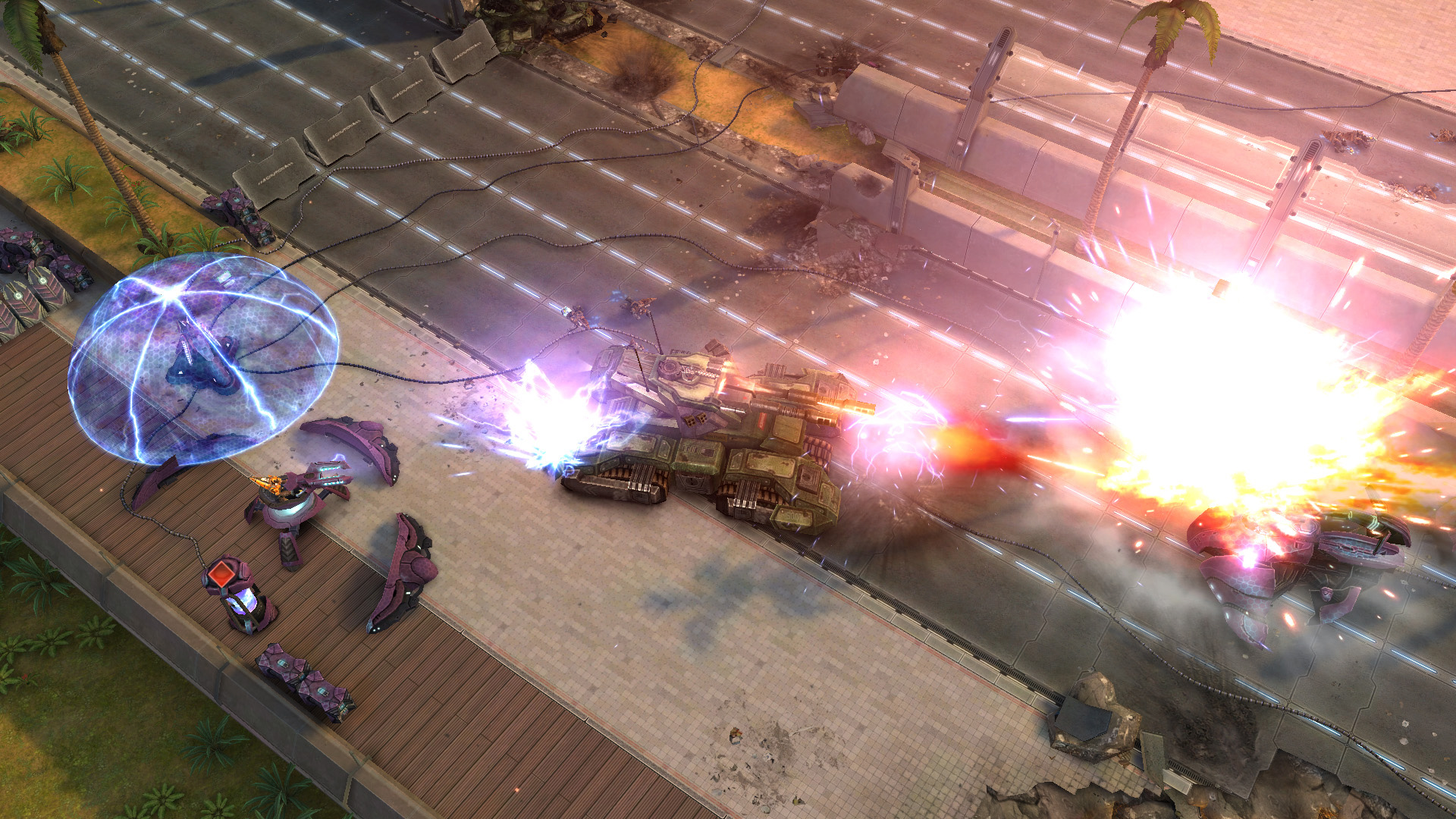
Halo: Spartan Strike did not ask you to become Master Chief. It asked you to look down on a battlefield, steer a Spartan through incoming fire and squeeze another mission into the gap between everything else. The Warthog was still a Warthog. The viewpoint was the giveaway that this Halo had a different job.
Its awkward place in the series starts before release. A small spin-off was ready to compete for attention while a much larger Halo package needed repair. That is a more useful story than treating every overlooked game as a secret disaster. Spartan Strike shipped, and its PC version still has a current Steam listing. What got smaller was the kind of Halo experience it offered.
First, another Halo needed fixing
On December 5, 2014, GameSpot reported 343 Industries’ explanation for moving Spartan Strike from its planned December release into early 2015: resolving The Master Chief Collection’s matchmaking problems took priority. That is a documented scheduling decision, rather than a theory about sales or office politics.
Microsoft’s launch announcement followed on April 16, 2015. It named Windows 8, Windows Phone 8, iPhone, iPad and Steam. This was a mobile-and-PC launch, even though the franchise was closely associated with Xbox consoles.
The current Steam page displays a December 2014 release field. For the historical launch date, the contemporary announcement and delay report are the stronger evidence. A storefront field should not erase the gap between a planned release and the day the publisher actually announced availability.
Thirty missions, with the battle seen from above
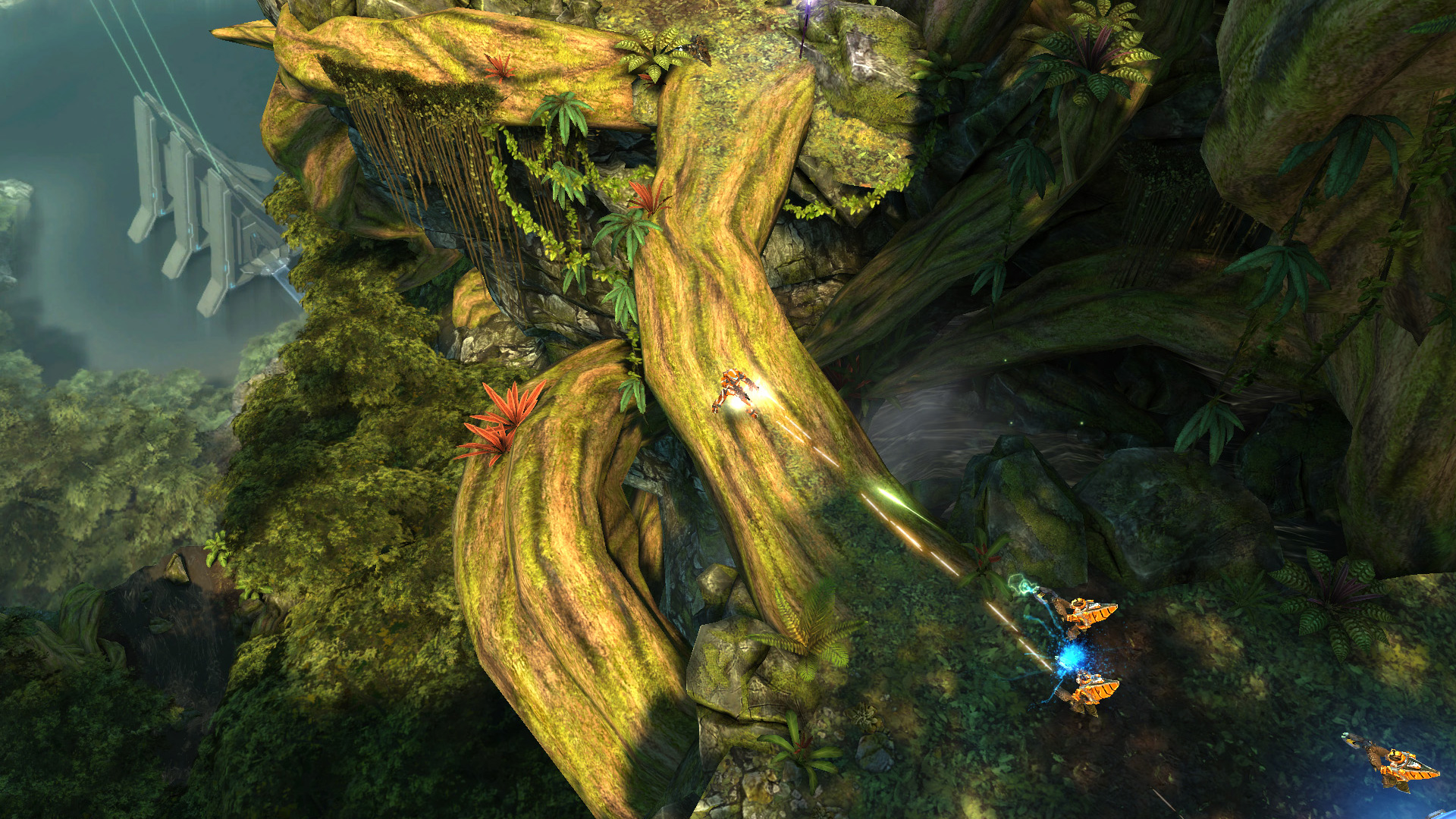
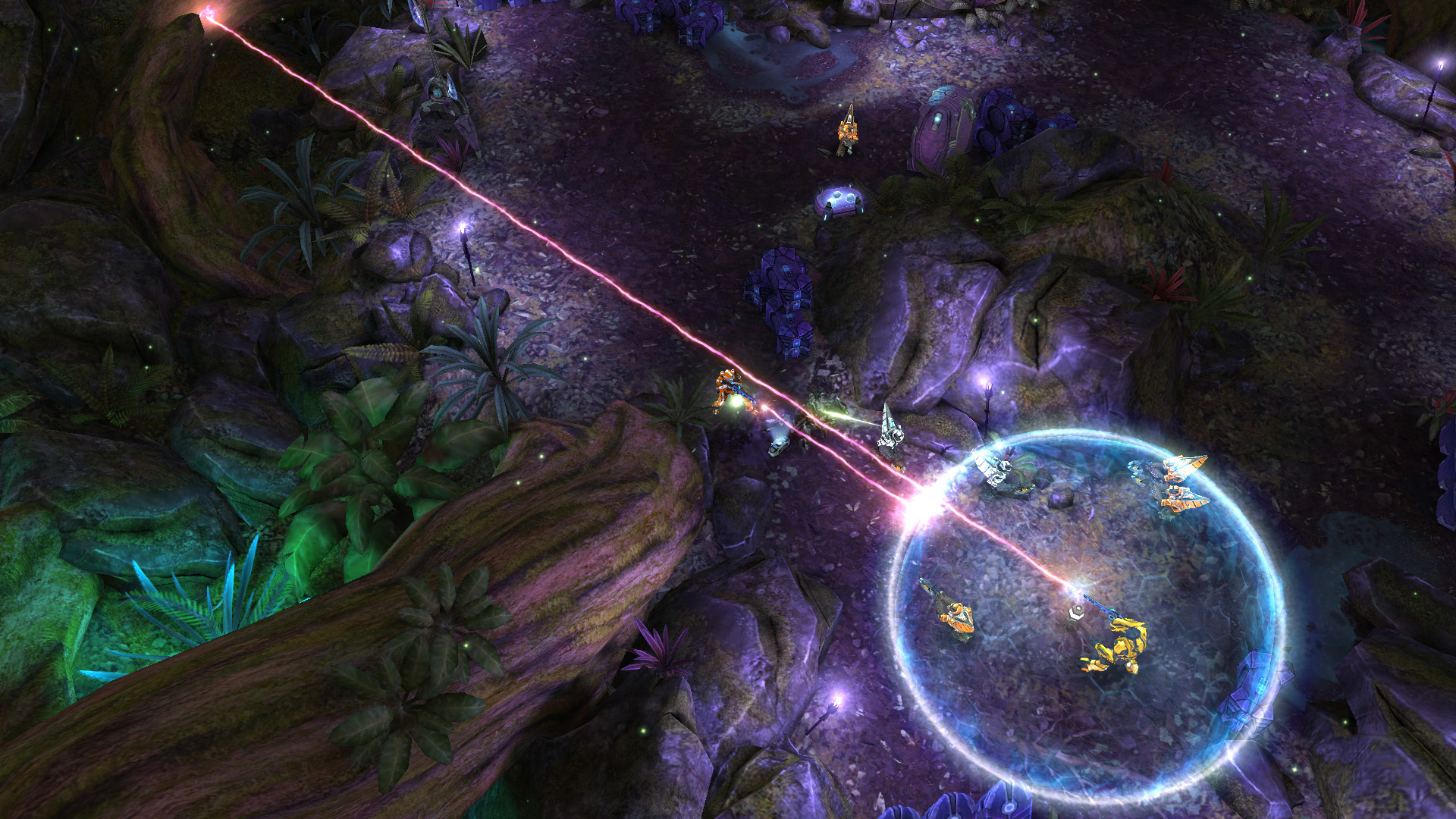
The launch pitch described an ONI simulation, thirty missions and fighting across cities and jungles. The current Steam description still identifies New Mombasa, Gamma Halo, Covenant and Promethean enemies, plus vehicles including the Warthog and Kestrel VTOL.
Those familiar pieces do a lot of work. A player who knows Halo can recognize a weapon silhouette or a Covenant vehicle without being given another introductory lecture. The overhead view then changes what deserves attention: movement lanes, the shape of incoming fire and the space around a target become immediately visible.
Our take is that the format works best as a translation, rather than a miniature replacement for a main campaign. You bring recognition to the battlefield, but let the new camera set the pace. Looking for another long first-person adventure would be asking the wrong game to report for duty.
The response was about the size of the experience
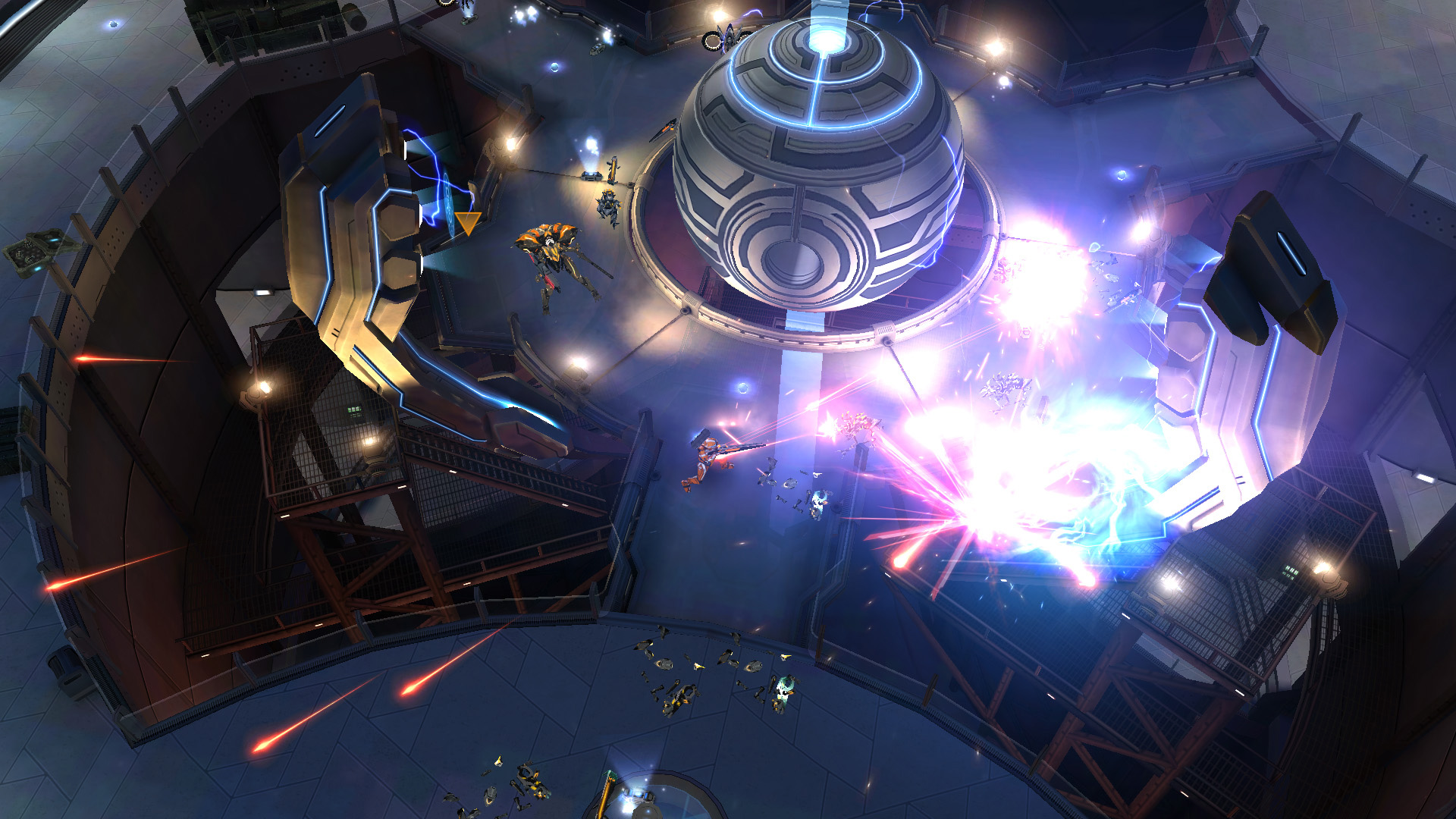
In his April 22, 2015 review, Miguel Concepcion described short missions built around movement, destruction and survival objectives. He praised the familiar combat vocabulary but questioned the absence of multiplayer. His response captures the tradeoff between a focused solo shooter and the shared fighting that many players associate with Halo.
The tension is easy to understand. A solo mission can be a tidy little action problem, while a Halo fan arriving with a friend may expect a shared campaign. AI Marines fighting nearby can make the scene look busy without making another human a participant.
That matters more than trying to decide whether a spin-off deserves a place on an imaginary franchise podium. A short solo shooter and a cooperative evening are different purchases. Match the game to the session before judging it against a promise it never made.
The Steam version is a specific thing you can choose
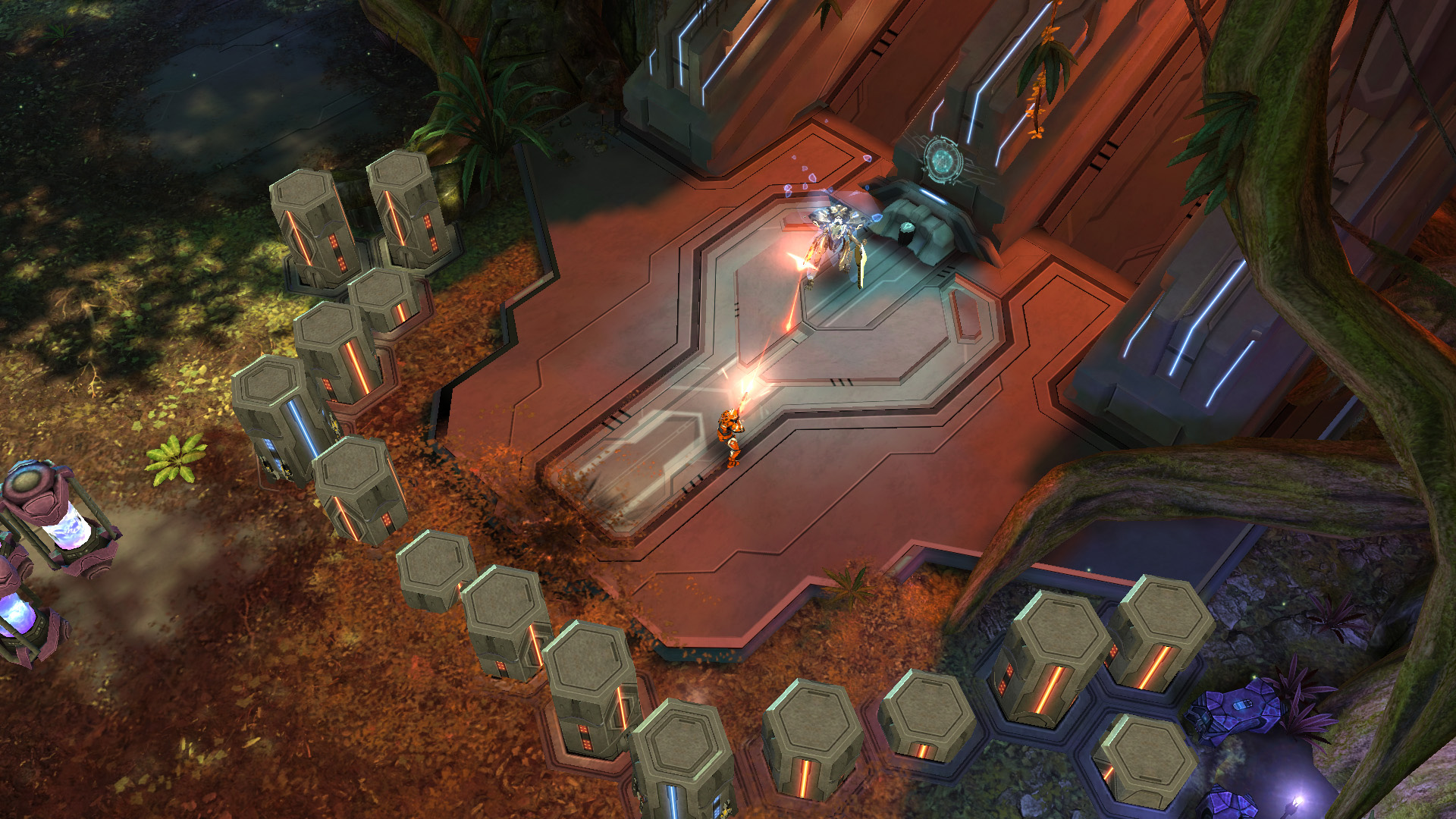
As checked November 24, 2026, Steam lists Spartan Strike as Single-player, with Steam achievements and leaderboards. The publisher describes keyboard-and-mouse, USB Xbox controller and touch controls. The listing also calls out DirectX feature level 10.
Leaderboards compare scores; they do not turn the campaign into co-op. Likewise, an old Windows Phone announcement establishes where the game launched in 2015, not whether a phone purchase or service still works today. For a current PC purchase, check the listing and the Steam client requirements. The page’s old Windows 7/8 requirements sit alongside a notice that the Steam client now requires Windows 10 or later.
This also keeps Spartan Strike separate from our Spartan Assault edition guide. Similar names and a shared overhead perspective do not make their platform features interchangeable.
Why revisit this particular detour?
The historical delay explains how Spartan Strike became entangled with a much bigger release. Its design explains why it still sits off to the side of the usual Halo conversation: this is a set of compact solo fights, built to be read quickly from an overhead camera.
For a Halo fan curious about how the series’ equipment and enemies survive a genre change, that is a concrete reason to look. For someone shopping for multiplayer, it is an equally concrete reason to choose something else. Pick a solo mission, bring the input method you prefer and see what happens when Halo’s vehicles and energy weapons share one overhead frame.
Find your next game at Zypher
Browse Zypher’s current game selection for your next adventure. If your shelf needs room, check our trading and selling information before sending games in.


