Worms takes a respectable strategy-game question, “Can you calculate the shot?”, and immediately follows it with a much better one: “Can you still calculate it while everyone else is waiting for you to embarrass yourself?”
That tension is the series’ secret weapon. A turn gives one player control, but every person in the room can see the plan forming. Aim too high and the rocket joins the space program. Aim too low and the nearest hillside becomes a memorial to basic geometry. Either way, the match gets a story.

One turn carries the whole room
The original Worms arrived in 1995 after creator Andy Davidson developed a prototype called Total Wormage and brought it to Team17. Team17’s own retrospective describes Davidson’s goal as a game he and his friends could keep enjoying without it becoming boring. That social target matters as much as the artillery rules.
Only one team acts at a time, so the active player briefly owns everybody’s attention. The audience watches the weapon choice, the angle and the commitment. They also know the plan can collapse because of the terrain, an awkward position or one tiny correction made with all the confidence of somebody defusing a bomb by vibes.
This is why waiting for a turn does not feel like dead air. The inactive players are predicting the shot, hoping it misses and preparing a revenge plan. Worms makes spectatorship part of play.
Destructible terrain keeps the map honest
Most multiplayer maps are stable agreements. A ledge remains a ledge. A tunnel remains a tunnel. Worms treats geography as temporary.
An explosion can remove a firing position, open a path, drop a worm toward the water or leave a crater that becomes emergency cover. The map remembers what happened. A bad shot may still create a useful route. A successful attack may destroy the ground your own team needed next turn.

That gives the battlefield a readable history. By the final turns, the surviving land is a record of old plans, panic shots and one player who insisted the dynamite placement was “definitely far enough away.” It was not.
The weapons are jokes with tactical consequences
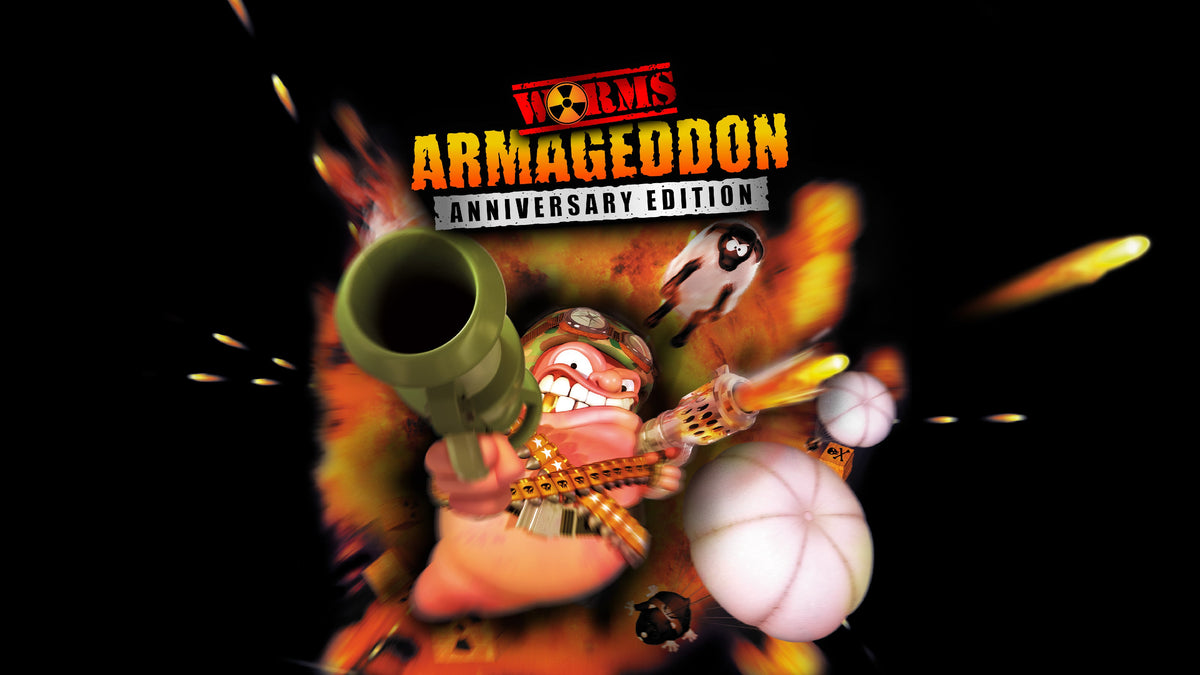
Worms could have stopped at familiar artillery. Instead, it built an arsenal where comedy changes decision-making. Team17’s current Worms Armageddon: Anniversary Edition page lists more than 55 weapons and tools, including Earthquake, Freeze and French Sheep Strike. The names are funny, but the important part is that the tools create different problems.
Direct weapons reward a clean line. Mobility tools turn an unreachable position into a possible attack. Area effects punish teams that cluster together. The strangest weapons are memorable because they are not merely visual punchlines. They ask players to read the same landscape in a new way.
That combination protects the game from becoming a sterile exercise in perfect aim. Skill matters, but the arsenal keeps producing unfamiliar situations. The serious choice and the ridiculous delivery system arrive in the same crate.

Failure is useful because everyone understands it
Worms is readable even when a player is not an expert. A projectile hits the wrong hill. A worm falls. The terrain disappears. The result is visible immediately, and the person responsible receives exactly as much helpful feedback as their friends can shout before the next turn.
That clarity lets failure be funny without making it meaningless. The mistake changes the match. The next player inherits the new terrain and decides whether to exploit it, repair the situation or produce a larger problem with a more expensive weapon.
Many competitive games hide their best decisions inside animation data, matchups or systems a newcomer cannot read. Worms has depth, but its basic drama is public. The shot goes somewhere. The ground reacts. Somebody is now in trouble.
Armageddon remains the cleanest version of the idea
Worms Armageddon was released in 1999, and Team17 still treats it as a centerpiece of the series. The Anniversary Edition preserves the turn-based artillery game while adding modern display options, controller support, a redesigned interface, a save system and a museum. Team17’s current listing also includes a single-player Deathmatch mode, a campaign with more than 40 missions and online play for up to six players.
Those additions matter because they make an old multiplayer design easier to reach without sanding away the part that made it work. The landscape still changes. The turns still become performances. The weapons still encourage careful plans followed by deeply unserious consequences.
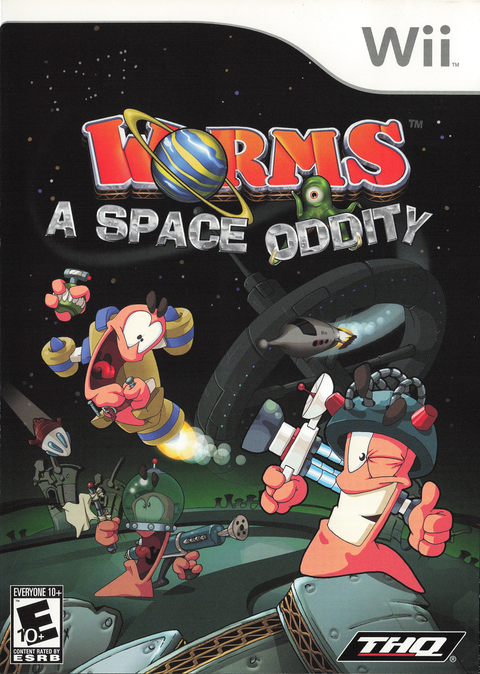
Team17’s history page says the franchise began in 1995 and grew through more than 20 games. Some entries moved into 3D, forts, puzzles or platform-specific experiments. If you want to explore those branches physically, Zypher carries Worms: A Space Oddity for Wii, Worms Forts: Under Siege for original Xbox and Worms Blast for GameCube. Check each listing for the exact condition and included items before ordering.
Why Worms still works
Worms lasts because it turns precision into theater. The strategy is real, the battlefield has memory and every player gets a moment when the entire match waits on one decision. Winning feels smart. Losing can still be worth retelling.
That is a rare balance. The game respects planning without demanding that everyone behave respectfully. Thirty years later, a carefully aimed bazooka can still decide a match, redraw a map or introduce one worm to the bottom of the ocean. Sometimes it manages all three.
Sources
- Team17’s 1995 retrospective and original Worms development history, checked October 22, 2026.
- Team17: Worms Original, checked October 22, 2026.
- Team17: Worms Armageddon Anniversary Edition, checked October 22, 2026.
- Team17 company and Worms franchise history, checked October 22, 2026.
Media credits and permissions
Featured art and all three gameplay images were downloaded from Team17’s official Worms Armageddon press kit, offered through its Press & Content Creators archive for press use. Assets are shown unaltered in this independent editorial article. Source and permission route checked October 22, 2026. Worms and related imagery © Team17.