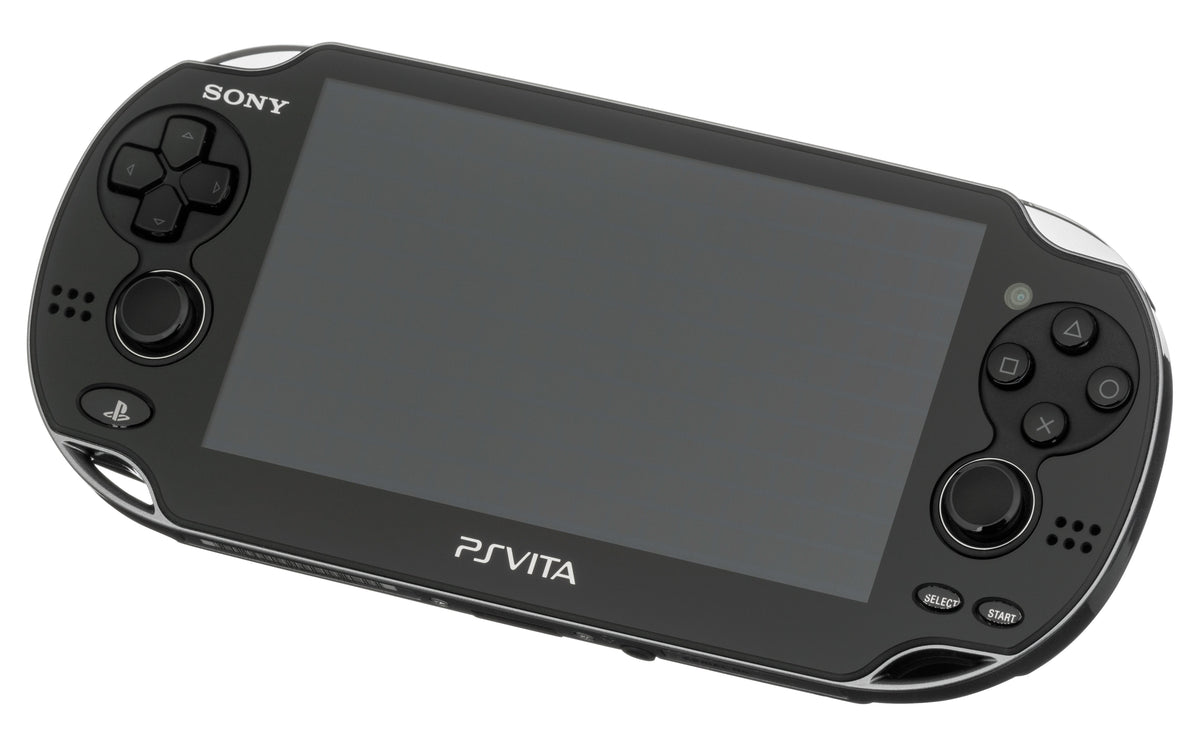
PlayStation Vita arrived with the kind of hardware pitch that makes a spec sheet sit up straighter. Sony put a five-inch OLED screen, dual analog sticks, cameras, motion sensors, a front touch screen and a rear touch pad into a handheld that started at $249 in the United States. The 3G model even promised a version of portable gaming that did not have to wait for Wi-Fi.
That machine did not become Sony's next PlayStation-sized success. The more useful story is not that Vita had no good games or no audience. It is that Sony built a premium handheld with several competing identities, then had to keep explaining why buyers should choose it while PlayStation 4 became the company's obvious center of gravity.
The promise was a console-class PlayStation in your hands
Sony's June 2011 introduction made the ambition plain. The Wi-Fi model would start at $249, while a $299 version added 3G service through AT&T in the United States. Both models used the five-inch OLED display, two analog sticks and the rear touch pad. Sony also promoted LiveArea, the location-based near feature, Party voice chat and cross-device ideas involving PlayStation 3.
That is a lot of jobs for one small slab of hardware. Vita was a dedicated game machine, a social device, a touch experiment, a 3G product and part of a broader PlayStation ecosystem. The pitch was exciting, but it also gave shoppers several different answers to the basic question: what is this thing for?

The early launch was real, but momentum became the problem
The launch was not an instant face-plant. Sony reported that worldwide Vita sales had passed 1.2 million units by February 29, 2012, with software sales above 2 million. Those figures came only weeks after the February launches in the United States and Europe.
Later financial documents show the turn. In its results for the third quarter of the fiscal year ending March 2013, Sony said it had lowered its annual sales forecast for portable hardware. The company also expected lower sales and operating income for the Game business partly because of that revised forecast. That is the corporate version of the alarm bell. It does not identify one villain, but it confirms that the business was not tracking the way Sony had planned.
By May 2013, Sony's strategy presentation paired planned Vita price reductions and software initiatives with a much louder push behind PlayStation 4. Vita still mattered, but PS4 was the platform positioned to drive the next phase of PlayStation. In 2014, Sony released a slimmer, lighter PCH-2000 Vita and increasingly presented the handheld as a companion for PS4 Remote Play. Useful? Absolutely. The clearest identity for a premium handheld? Not exactly.
The hardware asked owners to buy into its whole ecosystem
Vita game cards were pleasantly small, and physical software gave owners a transferable route into the library. The storage side was less friendly. Sony used a proprietary Vita memory-card format, so an ordinary SD card could not fill the role. Capacity, included storage and save location therefore became practical buying questions instead of boring details that could be ignored.

The controls created a similar split. Dual sticks made familiar console genres possible, while the touch screen and rear pad supported ideas that no other PlayStation controller used in quite the same way. That flexibility produced inventive software, but it also meant some experiences were tied closely to one unusual device. Vita was not short on ideas. It had enough ideas to fill two hardware launches and still leave a few rolling around under the couch.
Zypher's reading is that the friction accumulated. The price positioned Vita as premium hardware. Proprietary storage added another decision. 3G required a separate service relationship. Touch controls and social features widened the pitch, while the growing PS4 strategy pulled attention toward a different screen. Sony's financial disclosures prove the forecast problem and later write-down, but they do not assign a neat percentage of blame to each factor.
Sony eventually wrote down Vita and PlayStation TV components
The business consequence became concrete in Sony's results for the fiscal year ended March 31, 2015. The company recorded an 11.2 billion yen write-down of PlayStation Vita and PlayStation TV components. Sony tied that charge to revised expectations for the devices. The figure covers both Vita and PlayStation TV, so it should not be misquoted as a Vita-only loss.
That distinction matters because Vita did not vanish in one clean event. Hardware revisions, Remote Play and smaller releases kept it useful to dedicated owners. The support story narrowed in layers, just as the product identity had expanded in layers.

The store now has a firm July 2027 deadline
On July 1, 2026, Sony announced that the PlayStation Store on PS Vita and PlayStation 3 will close in July 2027 in the United States and other remaining countries. After the closure, owners will not be able to make new purchases on those consoles. Sony says previously purchased games and downloadable content will remain available to download for the foreseeable future.
That is not a promise that every online mode or third-party server will continue. Sony's current support notice says previously purchased content remains playable subject to the availability of online features. Treat July 2027 as the deadline for new digital purchases, not as a magic date when every Vita turns into an attractive paperweight.
What Vita still offers players and collectors
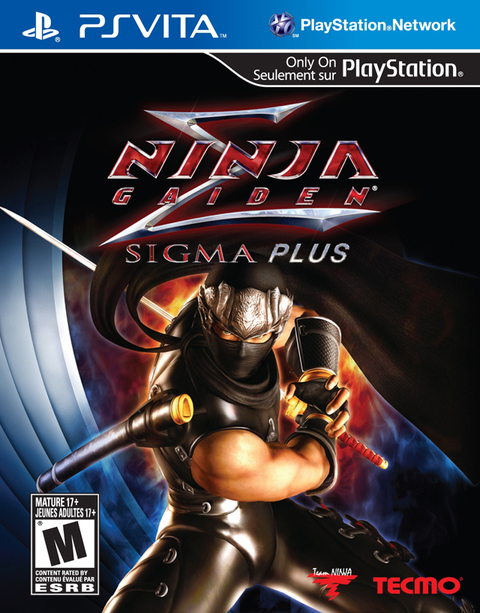
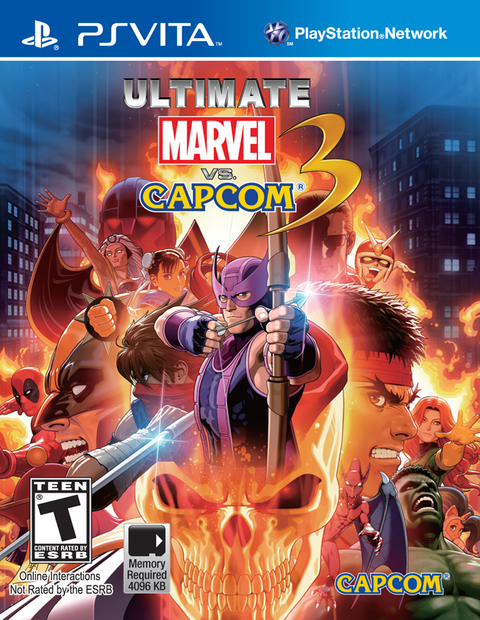
A working Vita still has the thing that made the original pitch believable: excellent handheld controls wrapped around a distinctive library. Physical releases such as Ultimate Marvel vs. Capcom 3, Ninja Gaiden Sigma Plus and Assassin's Creed III: Liberation show how much console-flavored ambition developers squeezed onto the machine. Check the live listing for the exact copy and condition rather than assuming a cartridge includes any extra code or bonus content.
Before buying used hardware, verify the exact PCH model, display condition, buttons, both analog sticks, cameras, speakers, charging port and battery behavior. Test the game-card slot with a known-good card. Confirm whether a Vita memory card and the correct charging equipment are included. If digital purchases matter, make sure legitimate account access and download history are understood before any reset.
Vita did not fail because it lacked personality. It had a gorgeous original display, strong controls, physical media and a library that could be wonderfully strange. What happened is less dramatic and more believable: the premium handheld missed Sony's own sales expectations while the company's bigger console became the easier platform to explain, support and sell.
Keep the library alive with Zypher
Shop Zypher's current PlayStation Vita selection for physical games and hardware when available. If a Vita collection is gathering dust, you can also sell your old games to Zypher. The storefront may be heading toward its deadline, but the cartridges do not need a board meeting to keep working.
For the other side of the Vita experiment, read WTF Happened to PlayStation TV?
Research checked October 22, 2026. Featured photo: PlayStation Vita PCH-1101 by Evan-Amos, public domain, unchanged. Business and service facts were checked against Sony and PlayStation primary sources.