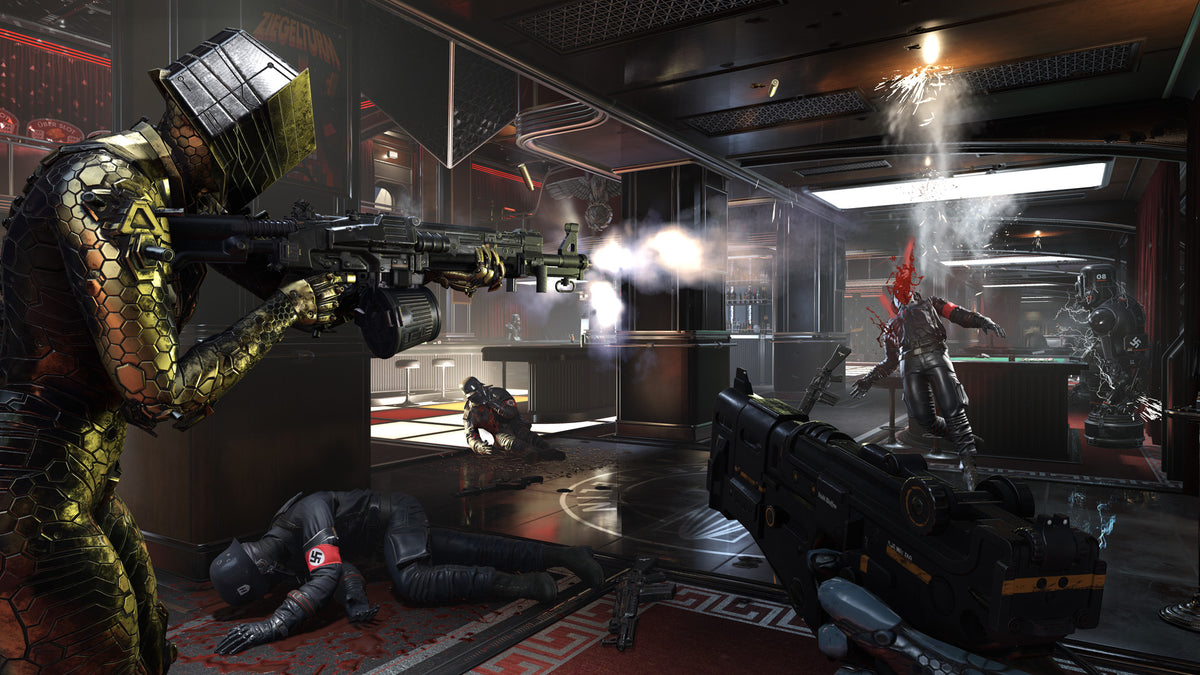
Wolfenstein: Youngblood changed the assignment before you fired the first shot. Instead of following BJ Blazkowicz through another tightly directed solo campaign, you joined his daughters Jess and Soph in an alternate-history 1980s Paris. The missing father was the reason for the trip. The two sisters were the new center of the game.
That difference went much further than adding a second player. Youngblood reorganized missions, revisitable locations and character progression around a cooperative adventure. MachineGames and Arkane Lyon were testing a different structure for a familiar series. If you arrived expecting the same rhythm as The New Order, the change could feel larger than the spinoff label suggested.
The useful WTF question is how that different game came to exist, and what those decisions mean if you pick it up now. The developers’ 2019 interviews connect the new structure to specific production and design choices. They also explain why a fan of the earlier campaigns might want to approach this one with different expectations.

The smaller side project grew into a collaboration
In a July 2019 GameSpot interview, executive producer Jerk Gustafsson explained that the team initially discussed a smaller project between bigger games, comparable to The Old Blood. The opportunity to collaborate with Arkane changed the plan. Co-op and a more open-ended structure became part of a larger experiment.
That production history helps explain the game’s unusual position. It was still a standalone Wolfenstein release, but its purpose involved learning a new way to build the experience. MachineGames was bringing its shooter background; Arkane Lyon brought another set of design instincts and development experience.
Our read is that this matters more than trying to fit Youngblood onto a simple bigger-or-smaller scale. A tighter central story and more activity around revisited spaces are different ways to spend a game’s time. An increase in things to do does not automatically reproduce the momentum of a more directed campaign.
Revisiting a location became part of the foundation
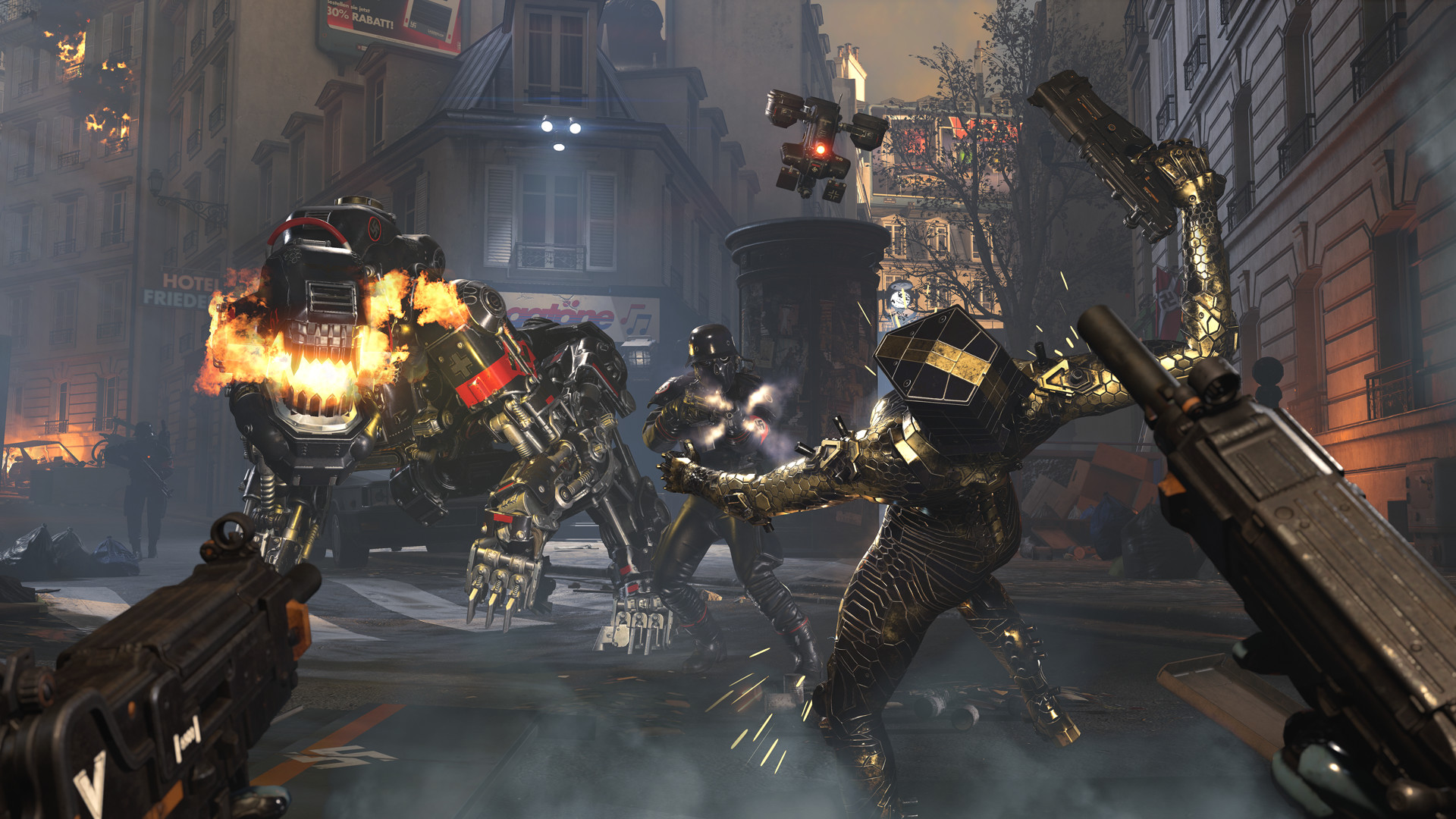
In Bryant Francis’s Game Developer interview, Gustafsson traced the design back to an earlier problem: allowing players to return for missed content while maintaining a heavily directed campaign. With Youngblood, revisitable locations and freer mission order were designed into the core experience instead of being secondary concerns.
That is a significant change in how a location earns its place. A corridor in a directed campaign can be tuned around the moment the player reaches it. A space intended for return visits has to make sense under a wider range of circumstances. The route, the enemies and the reason to come back all become part of its job.
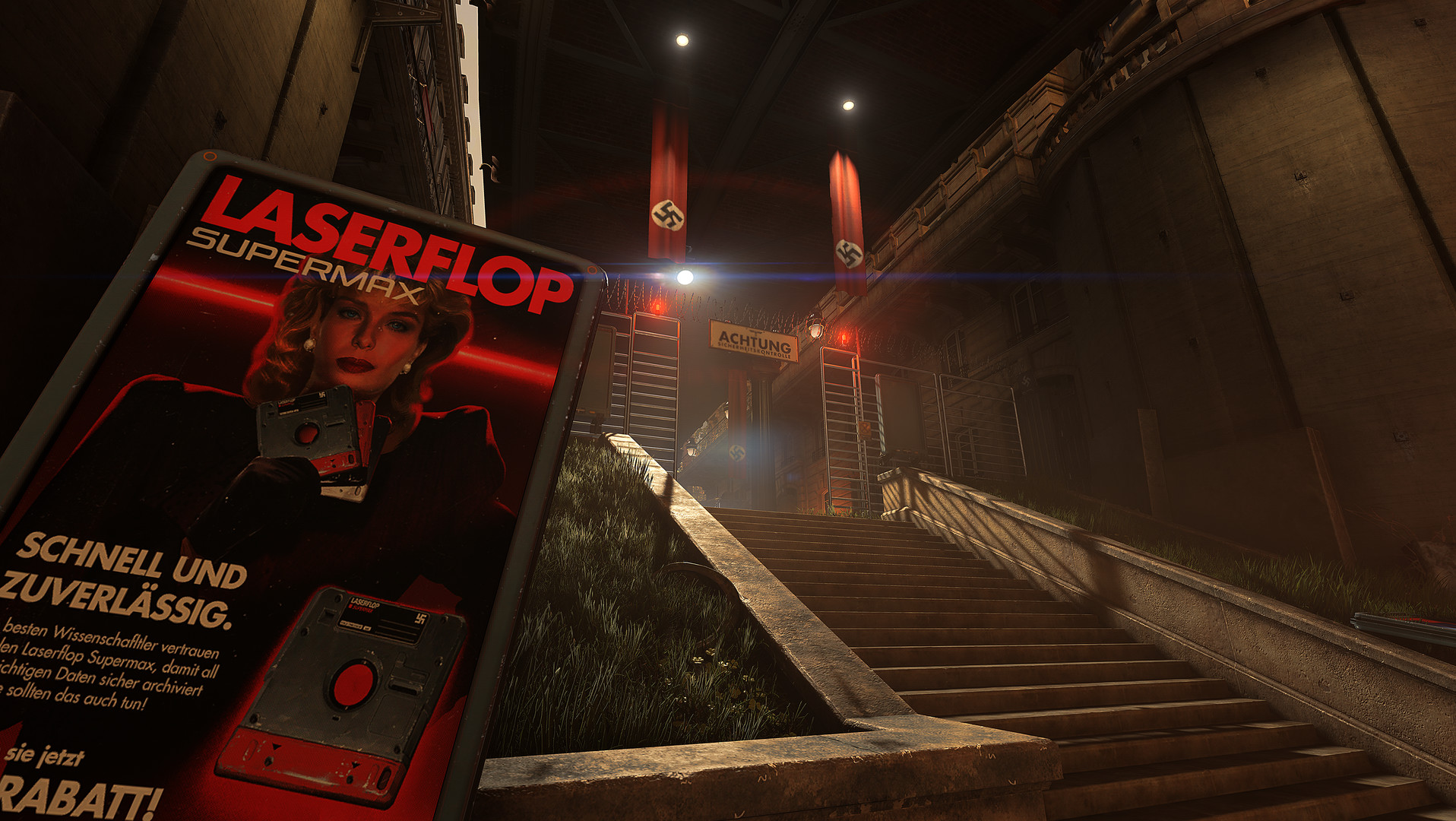
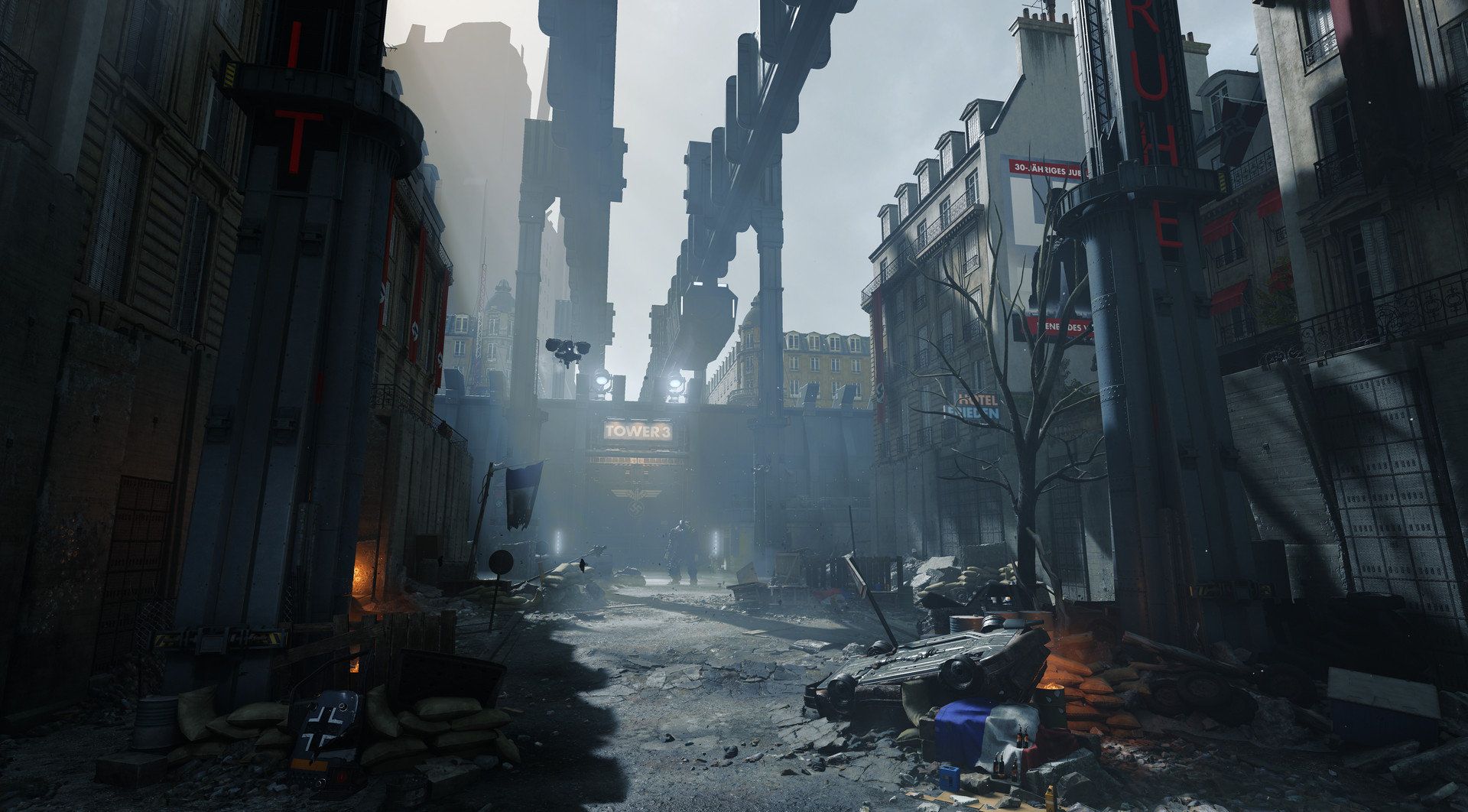
For a player, the practical consequence is a different relationship with Paris. The city is somewhere you operate from and return through, with the Catacombs serving as a base. Progress involves choosing the next activity as well as pushing through the next dramatic sequence.

Two players change how a fight is arranged
The same interview describes work on enemy spawning for players in different parts of a map, alternative routes and larger combat spaces. Co-op required decisions about what happens when two people stop occupying the same viewpoint.
That is where the second player becomes more than extra damage. Two partners can approach the same encounter from different positions. They can also create problems by moving at different speeds or assuming the other person is ready for a fight. The design has to accommodate both the opportunity and the mess.
Before a session, agree on the broad plan: follow the selected mission, explore a district or concentrate on upgrades. It sounds mundane until one person has started an encounter while the other is reading a menu. Even power suits benefit from basic communication.
The progression layer gives another reason to return
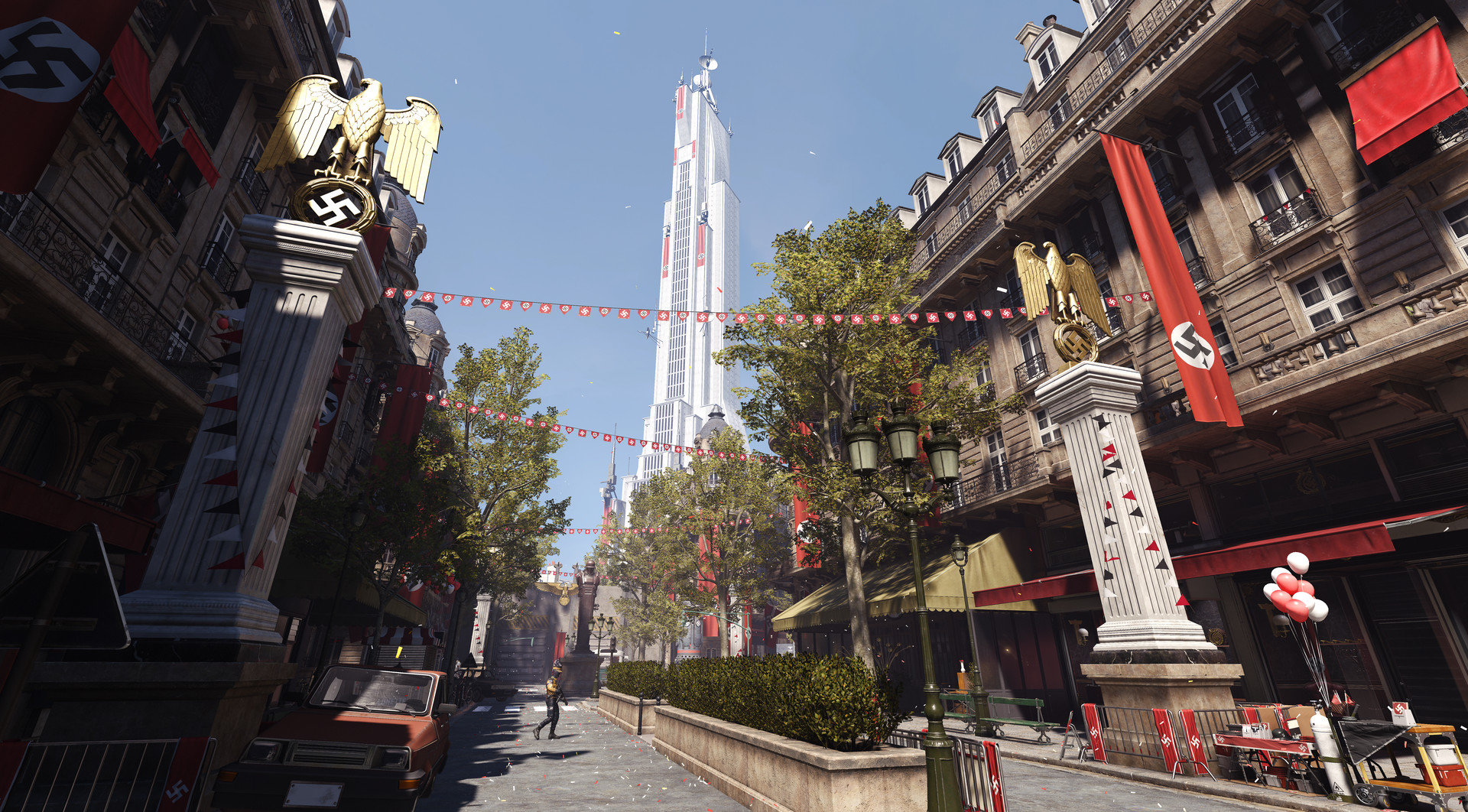
Bethesda’s original announcement described leveling up and unlocking abilities, weapon attachments, gadgets and cosmetics. The current PC description still presents missions and exploration as ways to develop the sisters’ capabilities.
That gives a return visit a progression purpose alongside its narrative purpose. You may be pursuing an upgrade, another activity or an opportunity to try the equipment you have just changed. It can suit a pair of players who enjoy improving a loadout together between fights.
It can also change expectations for someone mainly interested in the next story scene. Our interpretation is that Youngblood is easiest to understand as a cooperative shooter with a progression loop, rather than measuring every visit against the pace of BJ’s earlier campaigns. Decide whether that loop is something you want to spend time inside.
Solo play keeps the partnership in the design
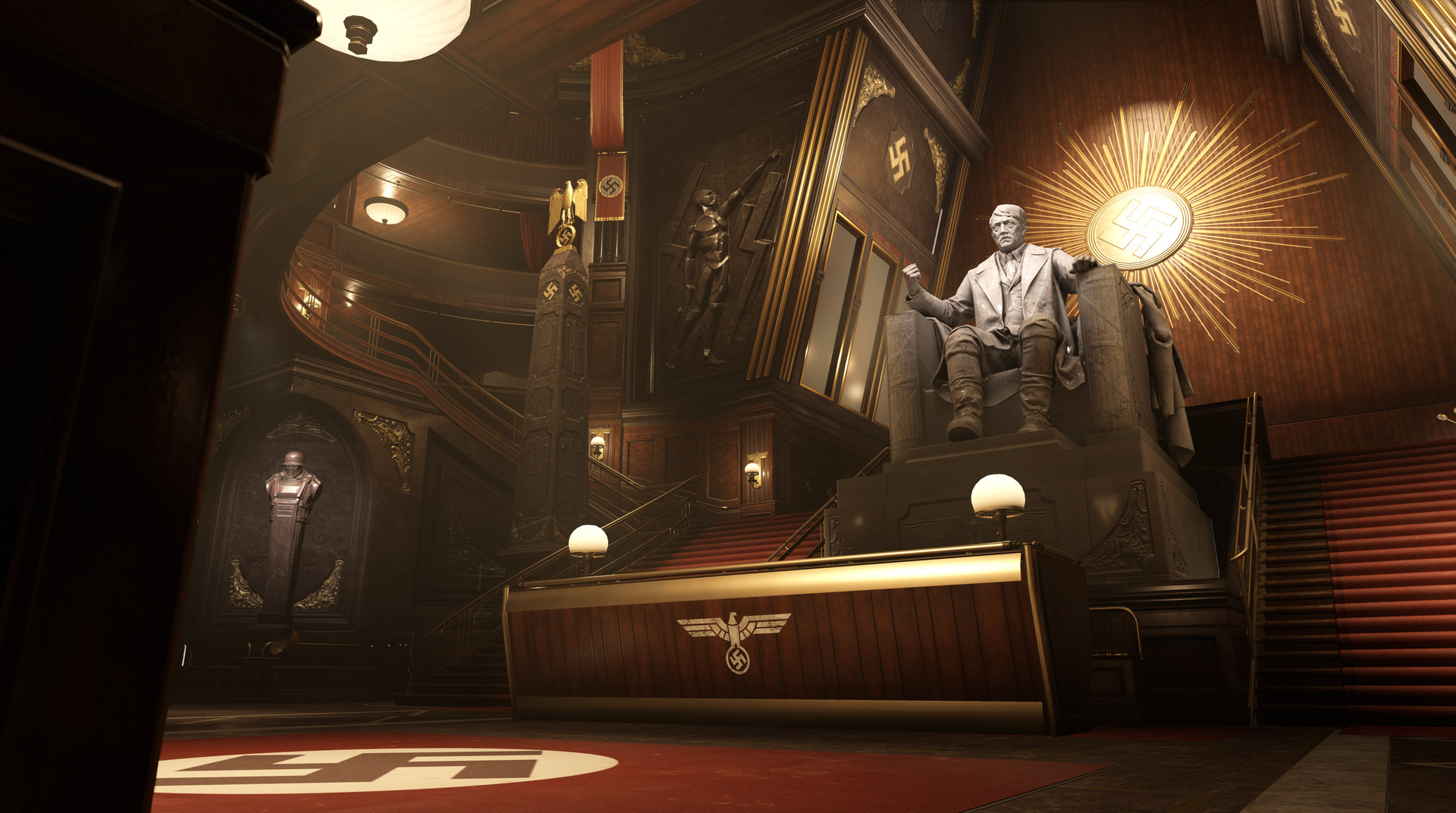
Bethesda Support documents a Nobody (Offline) host setting for solo play with an AI companion. Playing alone therefore changes who controls the other sister, while keeping the cooperative premise present in the adventure.
That distinction is worth checking before buying. A solo player can access the game, but the structure was still built around a pair. The absence of a human partner does not turn the mission layout and progression systems back into a different Wolfenstein entry.
If you prefer to explore without coordinating schedules, that option is useful. If the attraction is a shared shooter night, arrange the platform and ownership details with your friend first. The game supports those two intentions through different setups; knowing which one you want is part of choosing it sensibly.
Buddy Pass helps with access, but it has conditions
The current Buddy Pass FAQ ties the benefit to Deluxe Edition ownership. A host can bring one friend at a time through the game, with the friend using the trial version. Bethesda’s invitation instructions also specify that the trial player must launch it and create a character before joining.
This is an invitation system, not a code the host sends to the friend. It is also a reason to inspect the exact edition and entitlements instead of assuming every used copy grants the same package. The PC storefront currently lists a Bethesda.net account requirement. Console online play has platform membership requirements, which should be checked for the intended setup.
A listing that merely says Youngblood is not enough information to promise Buddy Pass access. Match the edition, platform and actual included entitlement. The ability to play with a friend is a concrete purchasing consideration, not an automatic property of a similar-looking box.
The detour is clearest when you choose it for its own structure
Youngblood’s 2019 launch announcement identified MachineGames and Arkane Lyon as collaborators and presented the sisters’ Paris adventure alongside the separate VR game Cyberpilot. These were different attempts to move Wolfenstein into unfamiliar formats.
For Youngblood, the lasting distinction is the combination of a partnership, revisitable spaces and progression. A pair looking for a shared project can have a different interest from a player looking for another precisely paced solo campaign. Its appeal depends on how much you enjoy choosing activities and developing a pair of characters between firefights.
That is what happened to this branch of Wolfenstein: the team changed how the adventure was organized. If those changes appeal to you, start by checking the edition and setting up the right kind of session. If your next trip through the series is mainly about BJ’s solo campaigns, choose the game that actually offers that experience.
Browse Zypher’s current games and check the exact platform, condition and included contents. Ready to rotate the shelf? Sell your old games to Zypher.
Sources: Original GameSpot interview on the project’s origins; Original Game Developer interview on the co-op redesign; Bethesda’s announcement and progression overview; Current host and solo options; Buddy Pass conditions; Buddy Pass invitation setup; Current PC edition and account requirement; Official 2019 launch announcement. Interpretation and practical recommendations are Zypher editorial judgment. Original image proportions retained; Zypher is an independent retailer.


