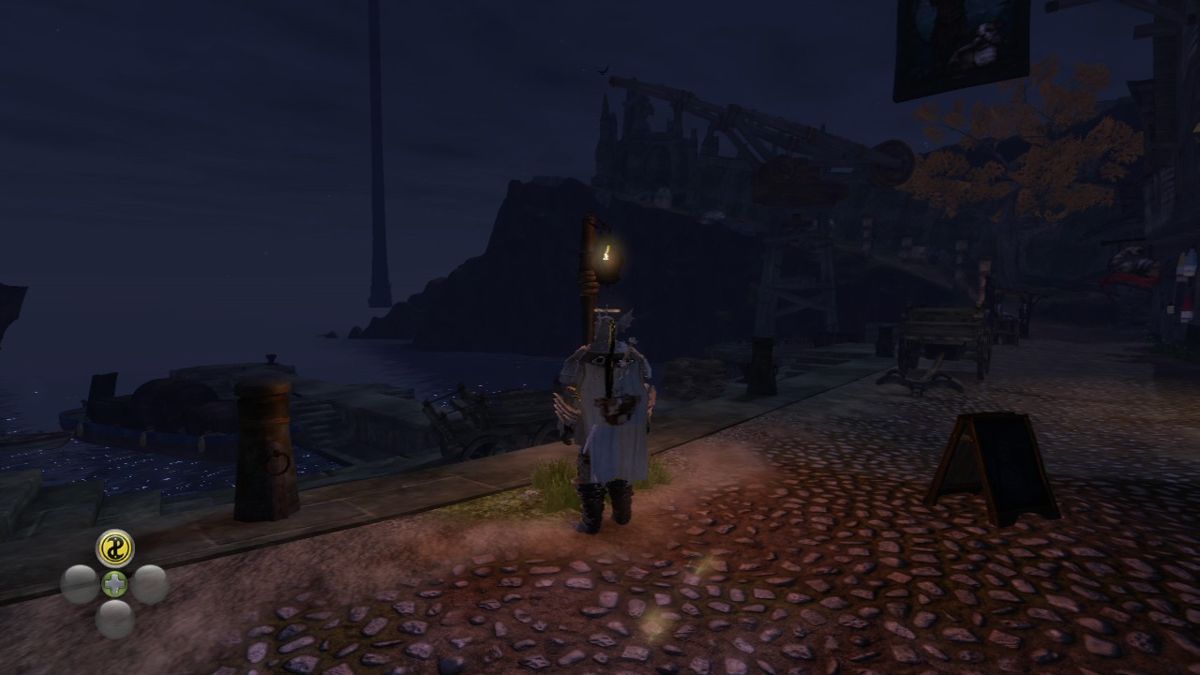
Saving Albion and owning half its street are compatible ambitions. Fable II gives the Hero a surprisingly practical second life: work a job, buy property, choose its use and decide what sort of landlord the town has acquired.
The clever part is that the system reaches beyond a growing gold balance. Family housing, furnishings, shop prices and rent connect ownership to the character you are building. Here is how to read those decisions without confusing every house with the same income button.

Use jobs to give your first purchase a purpose
The original Fable II manual identifies blacksmith, woodcutter and bartender work, with opportunities shown through the map. It also explains that jobs come and go, and proficiency can improve as you work.
Set a useful target before settling into repeated work. Perhaps you want a first home, a rental or a shop. Those are different goals, so “earn more gold” is a less helpful plan than identifying what the purchase will do for your Hero.
There is no need to turn an adventure into an unpaid evening shift. If the job stops being enjoyable, leave it and return to the story. The economy is interesting because it offers another way to inhabit Albion, not because every player needs to become an expert at the same minigame.

The property sign is the management screen
A building's property sign leads to Examine Property, where the manual places buying, selling, renting, furnishing and family-budget options. Inspect the actual property rather than assuming its appearance tells you everything about ownership.
Homes for sale can be bought when affordable, while some ownership opportunities involve quests. After buying, decide whether the home is for your family or for a renter. A family residence and a rental property serve different functions; the manual's rental condition is that your family is not living there.
That makes a first home worth thinking about as a location as well as an asset. If you want it to support family life, choose and furnish it with that in mind. If you want a rental, check that it is actually being used that way.

Rent needs a tenant
Owning an empty building is not the same as receiving rent. The manual explicitly says a renter needs to move in before rent starts. If the expected payment is absent, check the property's use and occupancy before assuming the whole system has stopped working.
The manual describes rent arriving at intervals during play and accumulating while you are away. Treat that as a convenient background system. You can continue the adventure while property contributes, rather than standing beside a sign waiting for each payment.
The useful loop is visible inside the game: obtain property, manage it, check its status and let the adventure continue. It keeps the property system connected to a character instead of reducing Albion to a timer.
Your prices affect purity and corruption
Raising and lowering rents affects the Hero's corruption and purity. Shop pricing does too. That is a specific character axis, and it deserves more precise language than saying every rent adjustment simply makes the Hero “good” or “evil.”
The decision is therefore partly economic and partly expressive. You can seek income, or deliberately choose gentler pricing because that suits the Hero you want to inhabit. The interesting question is which compromise fits this playthrough.

Do not let an old habit from another management game make the choice automatically. Fable II puts a character consequence beside the financial one. Read the displayed settings and decide whether the extra gold is worth the direction in which you are pushing the Hero.
Furnishings are more than decoration
The manual connects furniture and trophies to a home's value and family happiness. Improving a place is another way to decide what ownership means: a better rental or a more comfortable family home.
Inspect the home before shopping. It is easier to make a useful improvement when you know what you are replacing and why. A room full of purchases selected only because each one was available is still a room full of purchases.
Sleeping bonuses are another reason to examine houses individually. The manual says only one such bonus is active at a time. Buying more homes does not mean all their sleeping benefits pile up indefinitely.

Shops make the town part of your routine
Shop ownership brings a share of profits and a discount at that shop, according to the manual. That gives a familiar street another role: it can be somewhere you visit because you use the business, not just somewhere you pass between quests.
A practical sequence is to learn one property first. Buy it for a clear purpose, verify how it is operating, adjust one setting and notice the result. Expanding after that makes the next purchase an informed choice rather than another sign you happened to have enough gold to activate.

Our take: Fable II's economy is most enjoyable when it expresses the same Hero as the rest of the adventure. A generous shopkeeper, a comfortably housed family and a profit-focused landlord all produce different reasons to return to town. The gold matters, but so does what you have made the town mean.
Bring the right copy home
These mechanics and menu references come from the original Xbox 360 manual. The images show that version's towns and map interface. Check Zypher's Fable II listing for the exact offered copy and contents. For games you are ready to move on, our trading and selling page is the place to start.


