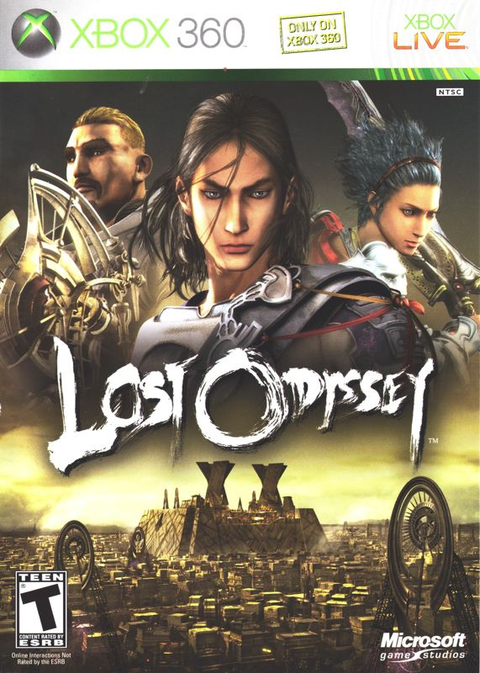
A thousand years of life should give a man a fairly decent head start. Lost Odyssey complicates that idea: Kaim is an immortal with missing memories, while the mortal people around him can teach him skills he does not simply acquire by existing longer.
That relationship is the most interesting way into Mistwalker and feelplus's Xbox 360 RPG. The game combines a conventional turn-based framework with two much more personal ideas: remembering and learning from somebody whose lifetime is shorter than your own. Its combat and story do not express those ideas identically, but they give them room to echo.
This feature concentrates on that connection and the Aim Ring system. Our separate four-disc buying guide covers the format decision. Here, the question is why the adventure inside that box still has a distinct identity.
Long life is not the same as complete knowledge
In an original RPGamer interview, Microsoft Game Studios global product manager Hees Kyung described Kaim as a thousand-year-old man searching for lost memories. The same interview distinguished mortal progression from immortal learning: mortals gain skills in a preset order as they level, while immortals learn through links to mortal companions.
That is a useful reversal of the usual fantasy hierarchy. An immortal can be the dramatic center of the story without making the rest of the party redundant. A companion's developing abilities become part of what the immortal can eventually do.
Our reading is that the system gives companionship a practical vocabulary. The relationship has a role beyond adding another body to a battle formation. Learning from another person is something the game asks you to consider while shaping the party, not merely a sentiment reserved for a late story speech.
Look at a companion as a source of possibilities
For a newcomer, the useful habit is to inspect the skills the game presents before settling into an automatic party routine. A mortal's development can make that character interesting for reasons beyond the damage number attached to the next attack.
That changes the question you ask when considering a companion. Instead of only asking who is strongest right now, consider what a developing character makes possible for the group. A skill-learning relationship gives time spent together a purpose that a simple comparison of attack power would miss.
Do not turn that observation into a requirement to optimize every encounter. The story is also trying to introduce these people as people. Give the mechanics enough attention to understand their connection, then leave room for the personalities that make the connection worth caring about. The game's unusual premise loses something if everybody becomes a walking spreadsheet.
The Aim Ring puts a small decision inside a chosen attack
Lost Odyssey remains turn-based. In Kyung's explanation, an enhancement ring adds a timing element when an equipped character attacks, with Bad, Good and Perfect outcomes affecting the result. The timing action happens inside a battle framework where you have already selected the attack.
That separation is important. Choosing an action and executing its timing are different kinds of attention. One concerns what the party should attempt; the other asks you to participate during an animation that could otherwise become passive viewing.
Our recommendation is to learn the displayed timing feedback without allowing it to replace the larger decision. A well-timed action still needs a sensible target. If you are concentrating so hard on earning a Perfect that you stop considering what the attack is supposed to accomplish, the smaller system has swallowed the bigger one.

A battle can look theatrical without becoming an action game
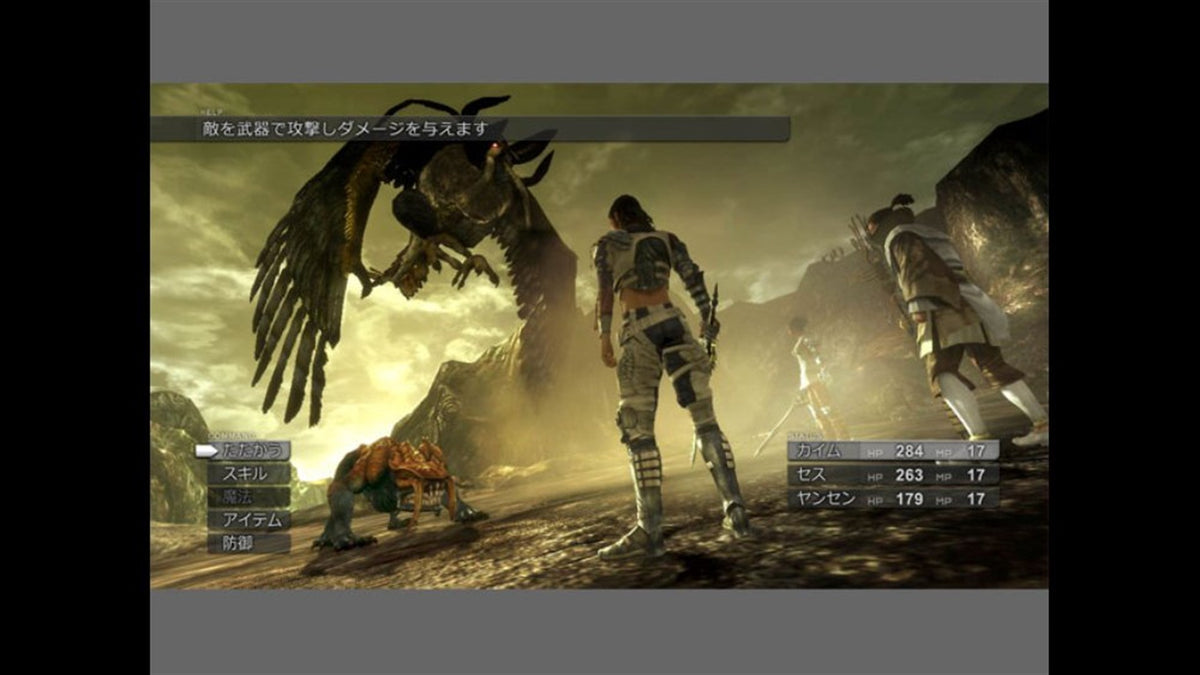
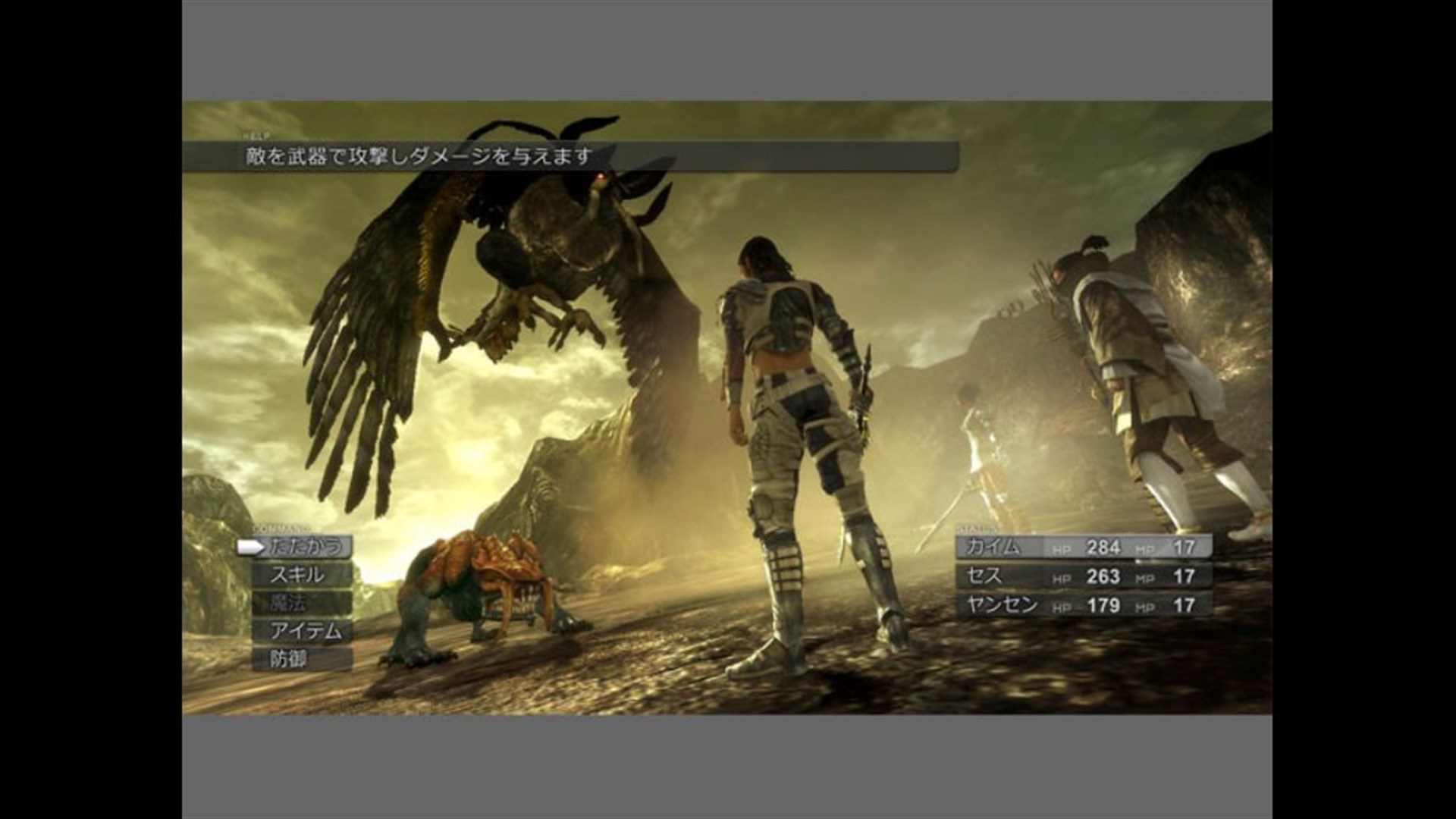
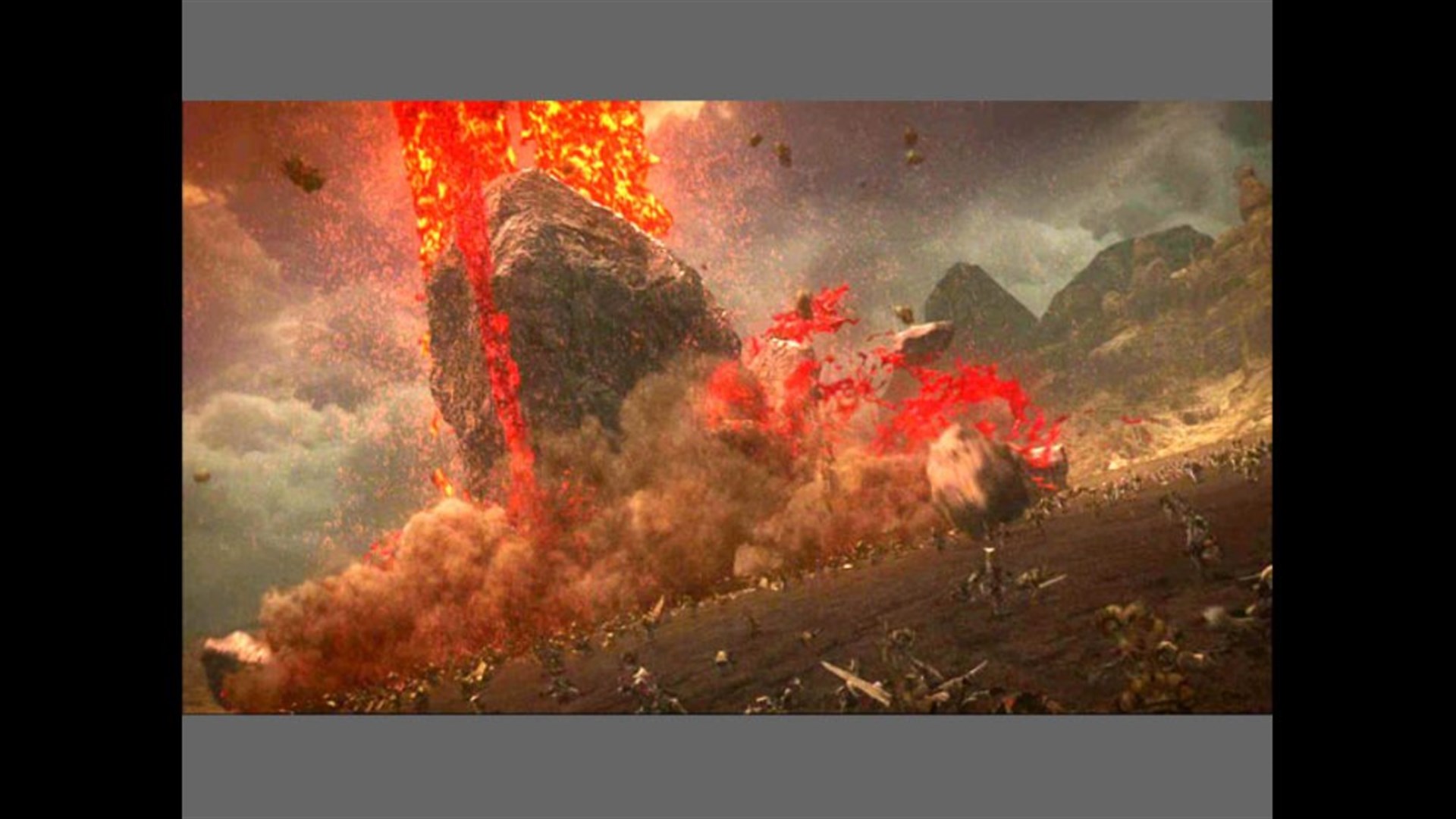
The official battle screenshot above shows the contrast clearly: a large creature dominates the scene, but the interface still frames a party-based encounter. The scale of the presentation and the structure of the decision are doing different jobs.
That makes Lost Odyssey an interesting recommendation for someone who wants dramatic battles while retaining time to choose commands. Its visual staging does not mean you need to approach every encounter as a free-moving action fight.
Equally, the ring input means “turn-based” should not be translated into “nothing to do once the command is selected.” Watch the actual prompts and results. The game uses a familiar structure, then asks for a little more participation at a very particular moment.
The memories deserve a different reading speed
Kyung's interview connects Kaim's past with written stories by novelist Kiyoshi Shigematsu. These memory passages ask for a different kind of attention from the cinematic battles surrounding them.
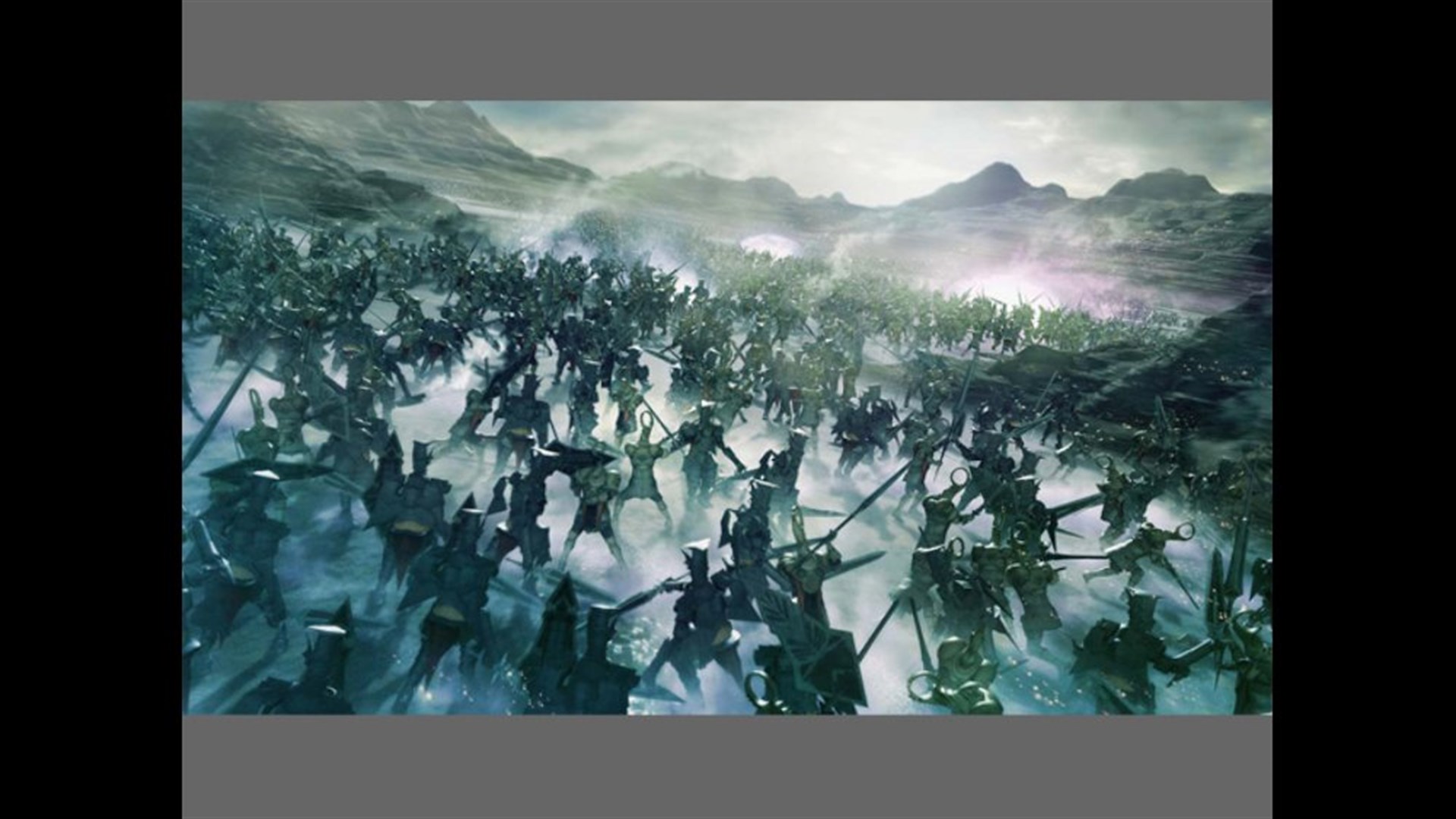
Our suggestion is to give a memory its own space rather than treating it as a loading screen on the way to the next fight. A passage about a remembered life and an animation of a huge battlefield are not competing to deliver the same effect. One can make the other feel heavier by changing what the player understands about the person at its center.
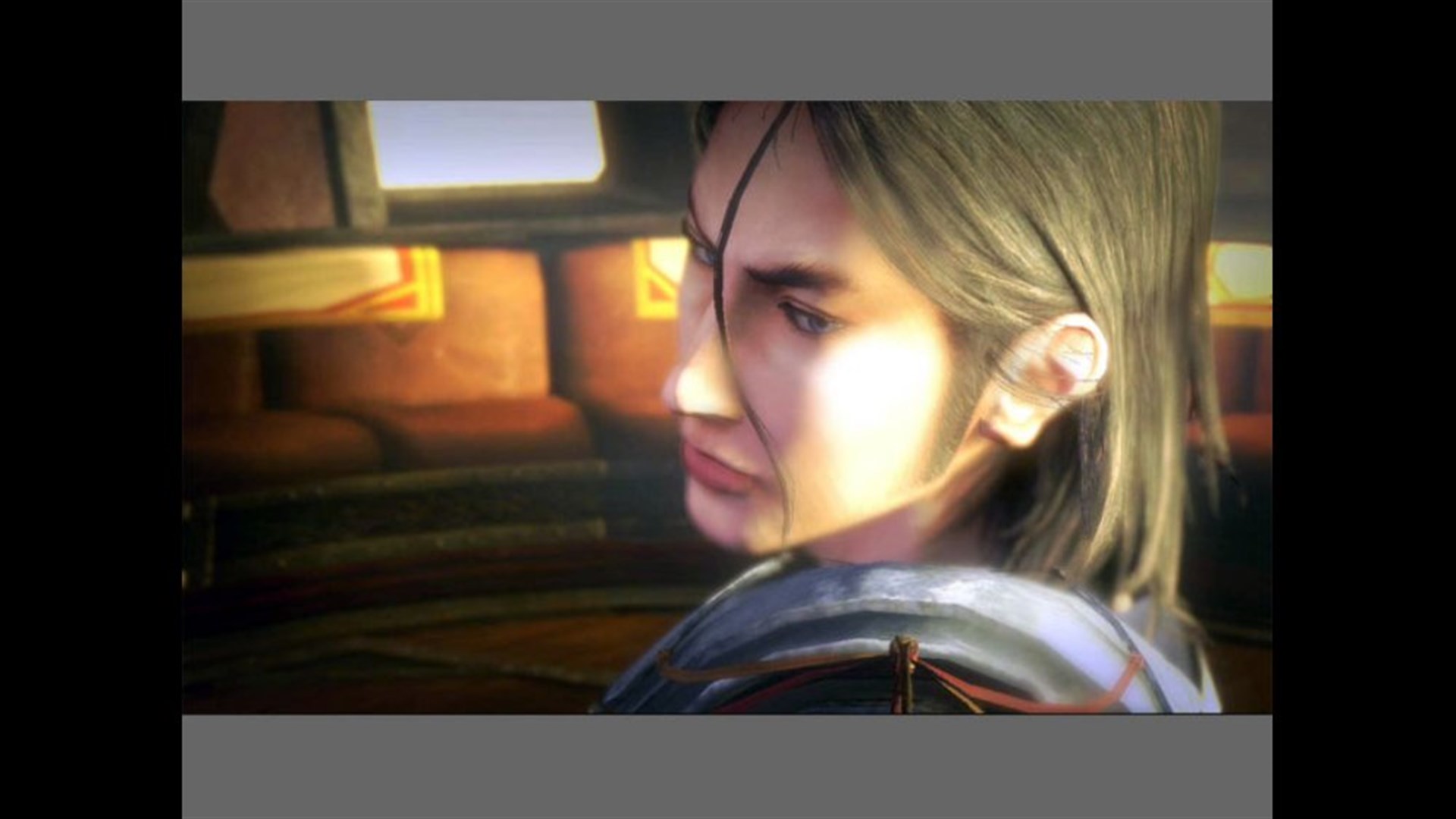
The character stills in this feature are useful companions to that idea, but they are not reproductions of the written memories. The distinction matters: the attraction is not simply that the game contains more story material. It is that it changes the form in which it asks you to encounter a long life.
The human scale sits inside the spectacle
Microsoft's current store description identifies the collaboration among Hironobu Sakaguchi, artist Takehiko Inoue, writer Kiyoshi Shigematsu and composer Nobuo Uematsu. Those credits explain the range of craft involved without needing to turn the feature into an argument about which creator deserves all the credit.
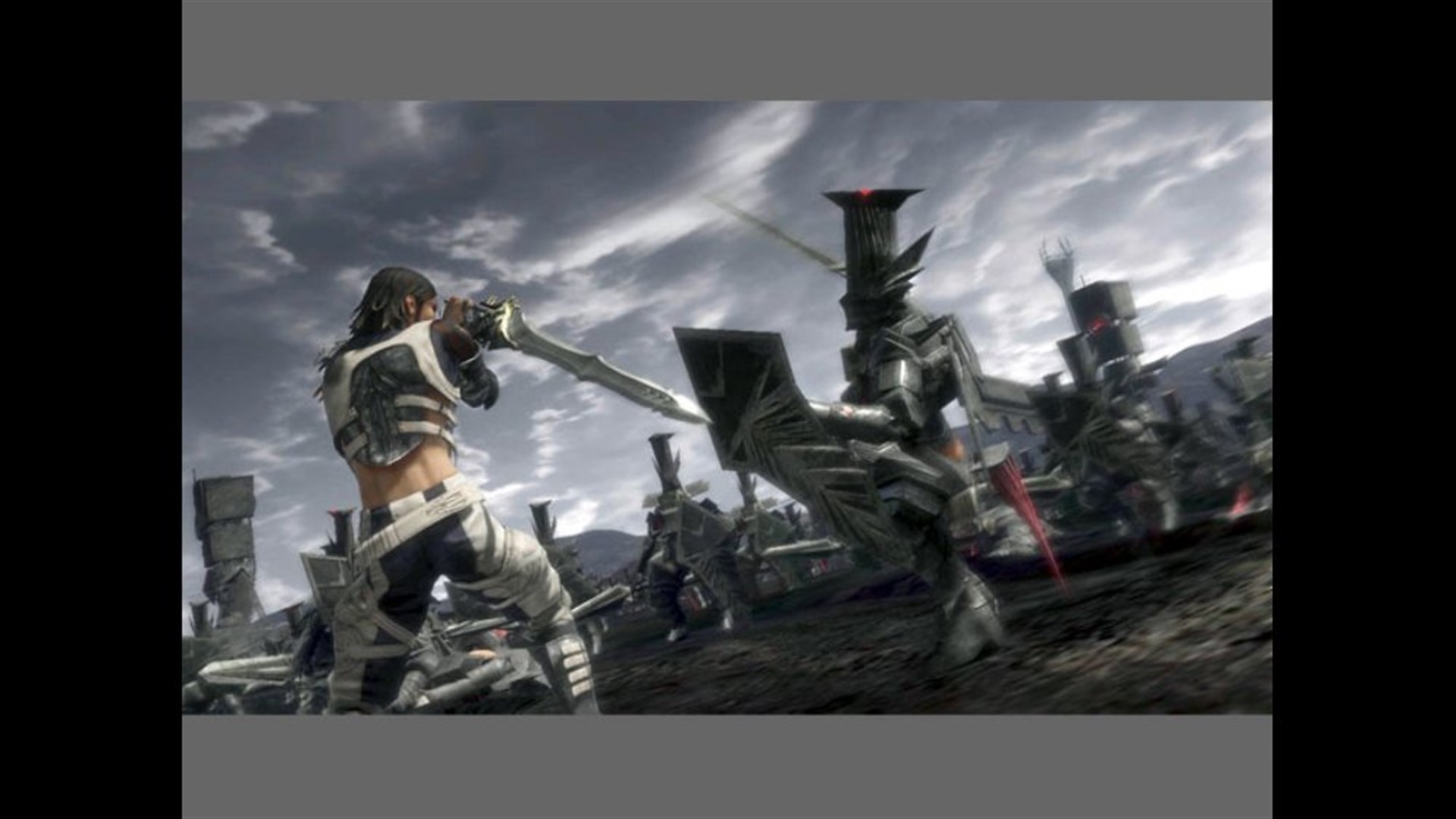
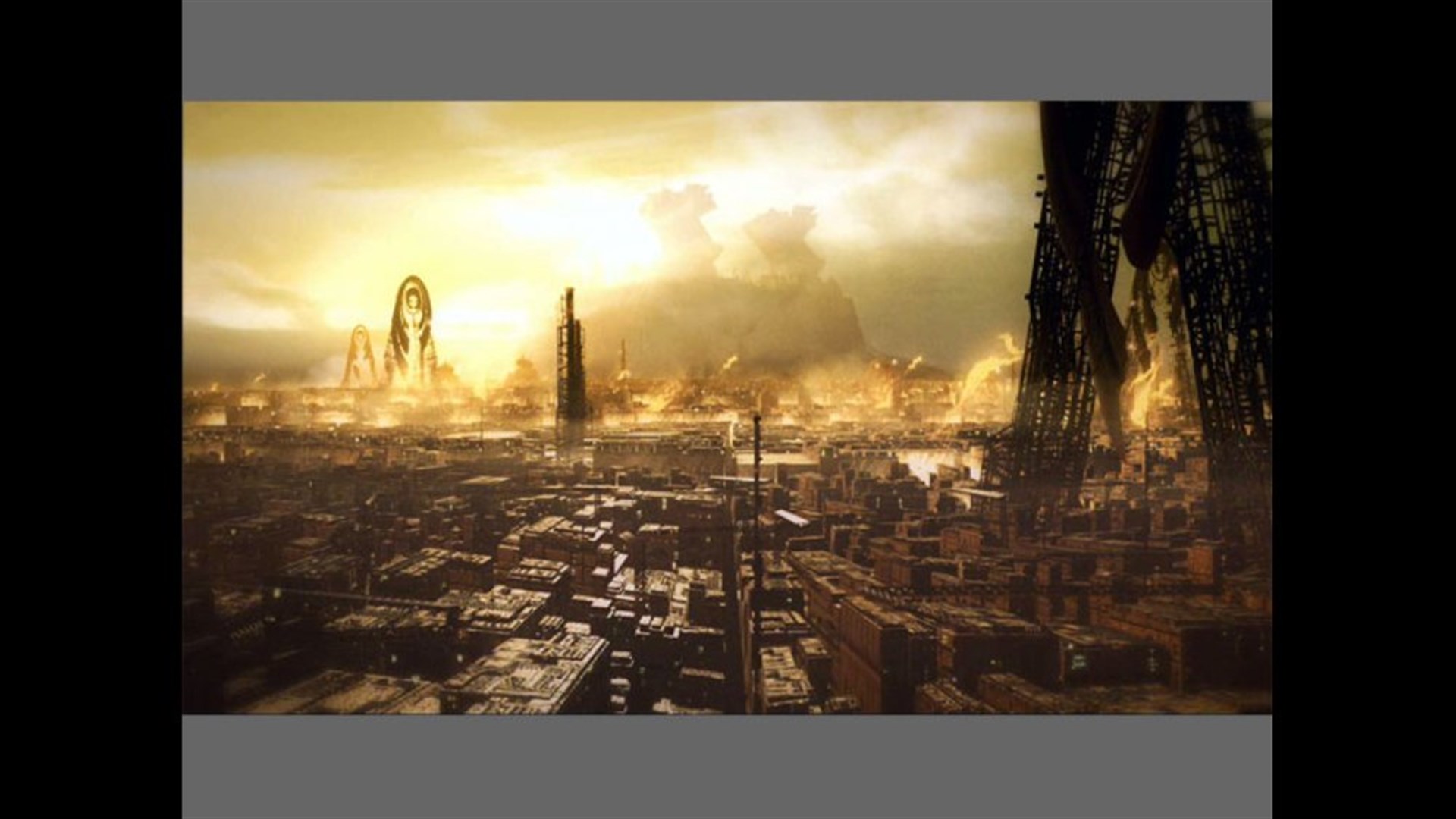
Look at the official gallery's movement between armies, a distant city and close character views. That contrast supports a useful way of approaching the game: enjoy the large fantasy world, but pay attention when the story narrows to one person remembering or learning.
For us, that is the lasting hook. Kaim's age supplies the extraordinary premise. The dependence on mortal companions gives it a human pressure point. The people with less time are still people from whom he has something to learn.
If you want the physical release, check Zypher's Lost Odyssey listing for the selected copy and included contents. A four-disc package deserves an actual contents check. That is the practical part of bringing a very long life home.
Find the right physical copy in Zypher’s Lost Odyssey shelf. If another RPG is ready for a new home, sell your old games to Zypher.
Sources: RPGamer’s original Microsoft Game Studios interview; Current Xbox description and official released-game gallery. Interpretation and practical recommendations are Zypher editorial judgment. Original image proportions retained; Zypher is an independent retailer.