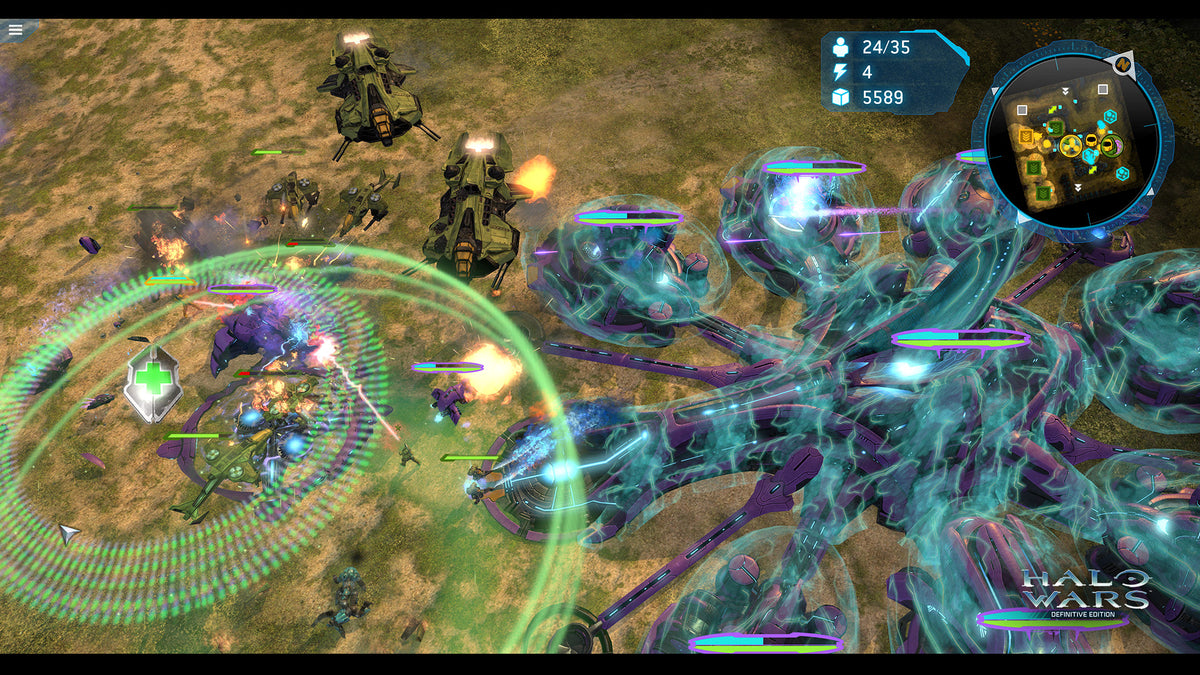
The strangest part of Halo Wars happened before most players could pick up the controller. In September 2008, Microsoft confirmed that Ensemble Studios would close after completing the game. The team behind Age of Empires was finishing a Halo strategy game with its own ending already announced.
That sequence matters. It stops an easy story from taking hold: that a disappointing retail launch killed the developer. The closure announcement preceded the original game’s 2009 release. Microsoft’s public explanation concerned its business priorities, while explicitly separating the decision from the team’s talent and the game’s quality.
The result is an odd piece of Xbox history. Halo Wars became a finished game, then a game worth bringing back in an enhanced edition. Ensemble did not get the same second life. To understand what happened, follow those two histories separately: the people making the game and the game players could keep playing.
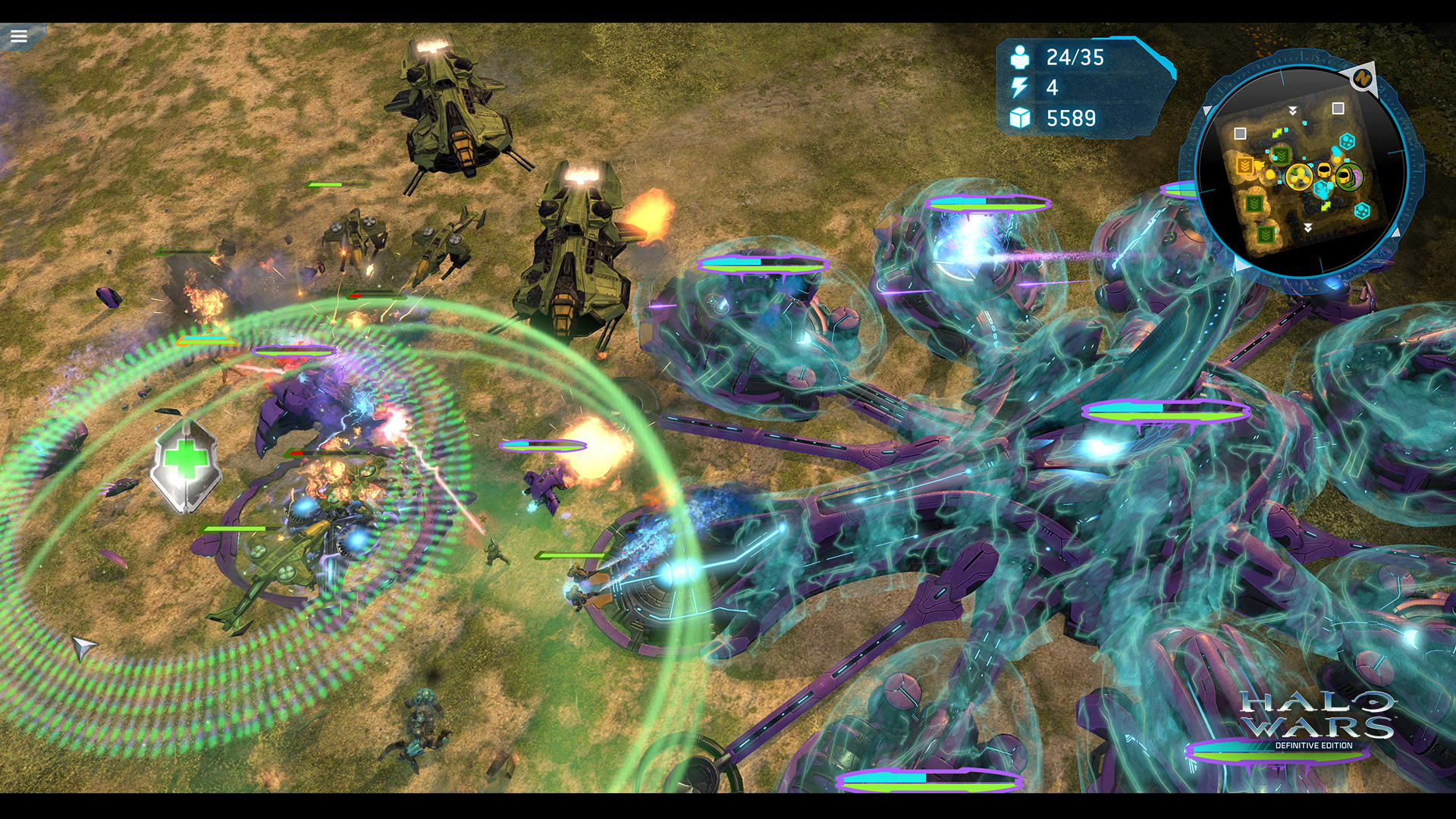
The closure was announced before the audience could deliver a verdict
Microsoft’s statement, reproduced in Chris Remo’s contemporary Game Developer reporting, said Ensemble would close after Halo Wars was completed. It also described an agreement for the leadership team to form a new studio and continue supporting the game. Those are concrete commitments, rather than evidence that the project had simply been abandoned.
The distinction changes the tone of the whole story. A studio can be completing a project its owner intends to sell while that same owner decides against maintaining the studio as an ongoing organization. For players, the box arriving on a shop shelf can make the production behind it feel stable. Here, the public record had already told a much rougher story.
It would be tempting to turn this into a tidy argument about the commercial fate of console strategy games. The timing does not support that shortcut. Whatever you think of Halo Wars as a design, its retail reception cannot explain an announcement made before its release. The uncomfortable part is precisely that the team’s future was being settled while the game’s future was still ahead of it.
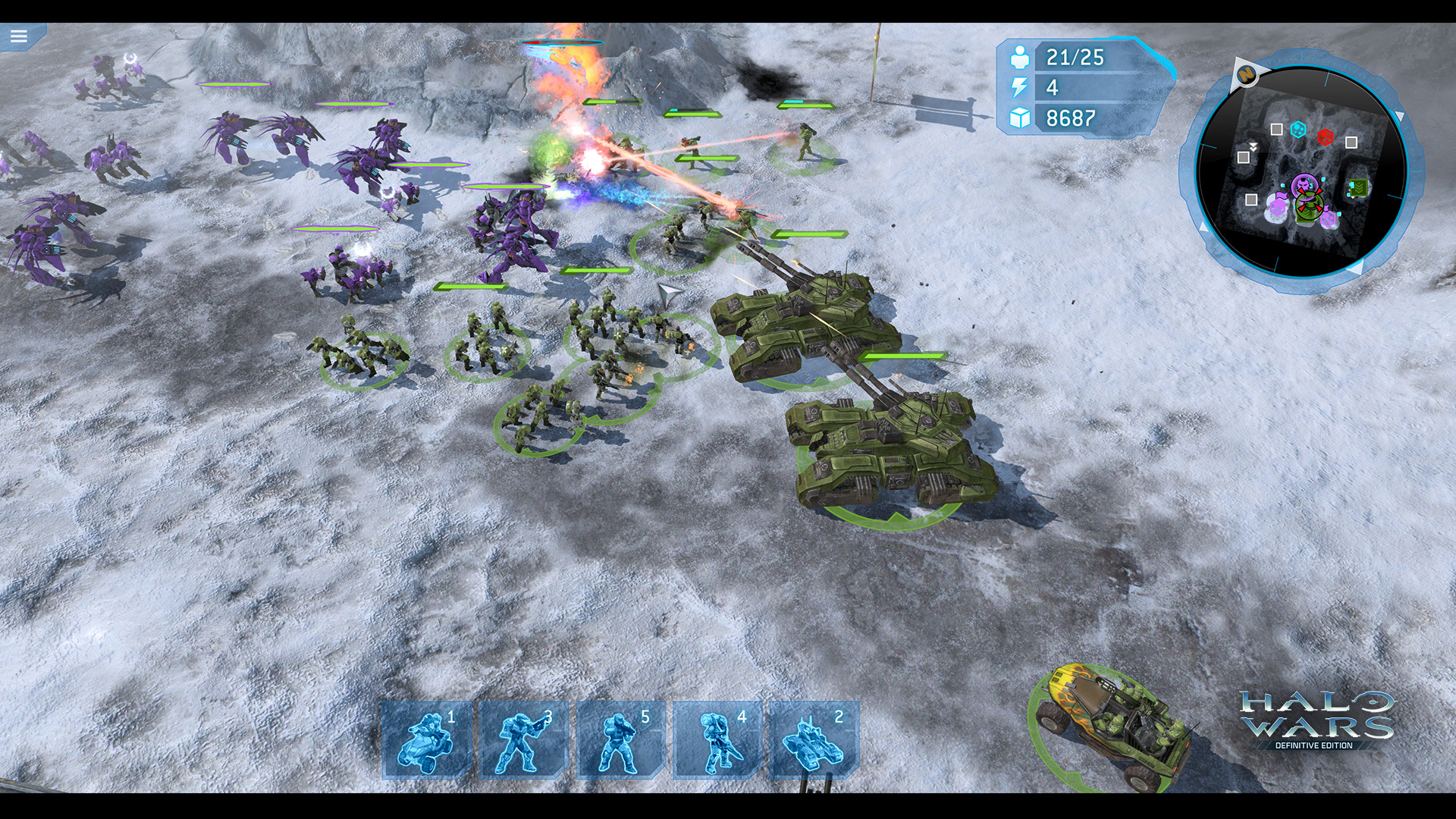
Bruce Shelley described a team trying to finish the job
In September 2008, Shacknews reported Ensemble senior designer Bruce Shelley’s account of the closure. He described a studio shocked by the decision and focused on finishing Halo Wars. His explanation, attributed to what he had been told by Microsoft, concerned the cost of running Ensemble and the company’s preference for investing in other future projects.
Shelley’s account put the comparison in terms of future investment: Ensemble’s running costs and the other projects Microsoft expected its studios to deliver. That explains the framework he described being given, rather than establishing how those alternative games ultimately performed.
For the game itself, the important consequence was a concentrated final effort. Shelley described work outside Halo Wars being shut down so the studio could focus on completion. There is a bleak contrast there: making the best possible finish for a project while knowing the organization producing it is approaching its own finish. A polished release and an insecure development team can exist at the same time.
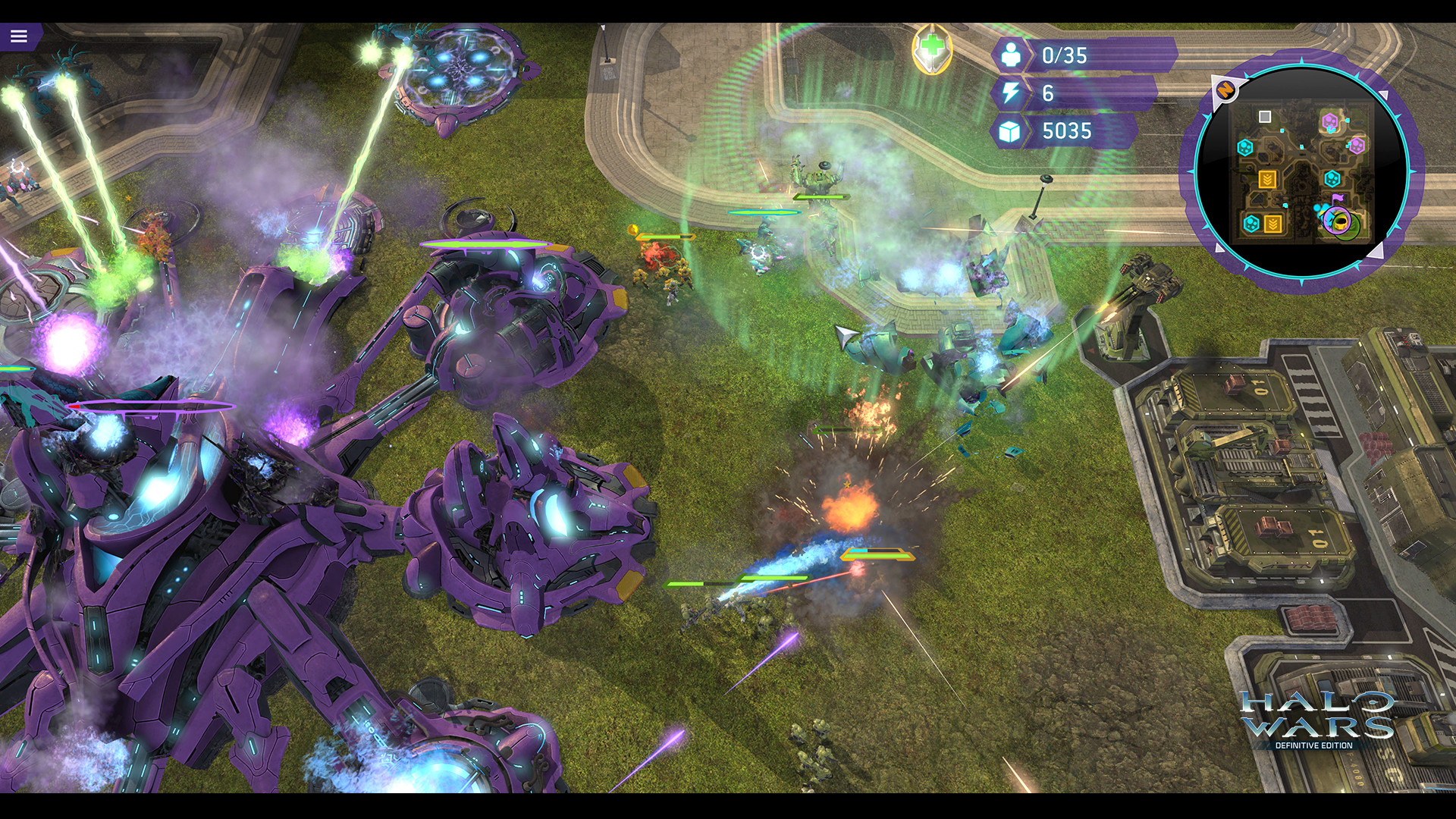
Halo was still recognizable from above
Look at the battlefield and the attraction is immediate. Warthogs, armored infantry and Covenant machines have shapes a Halo player can recognize before reading a production menu. Moving the camera above them changes the player’s responsibility. You are watching several pieces of the war at once, rather than following one rifle through a corridor.
That is the useful way to read the spinoff’s ambition. It did not need to reproduce the sensation of manually aiming a Battle Rifle to make Halo meaningful. It could ask what happens when those familiar forces become an army you organize. The fiction supplies recognition; the new viewpoint supplies a different kind of decision.
Our earlier Halo Wars gameplay deep dive examines the controller selections, bases and unit jobs in detail. Here, their relevance is historical: this was a genuine attempt to extend the series’ language into another genre. Reducing it to an ill-fated side project misses the finished design sitting in front of you.
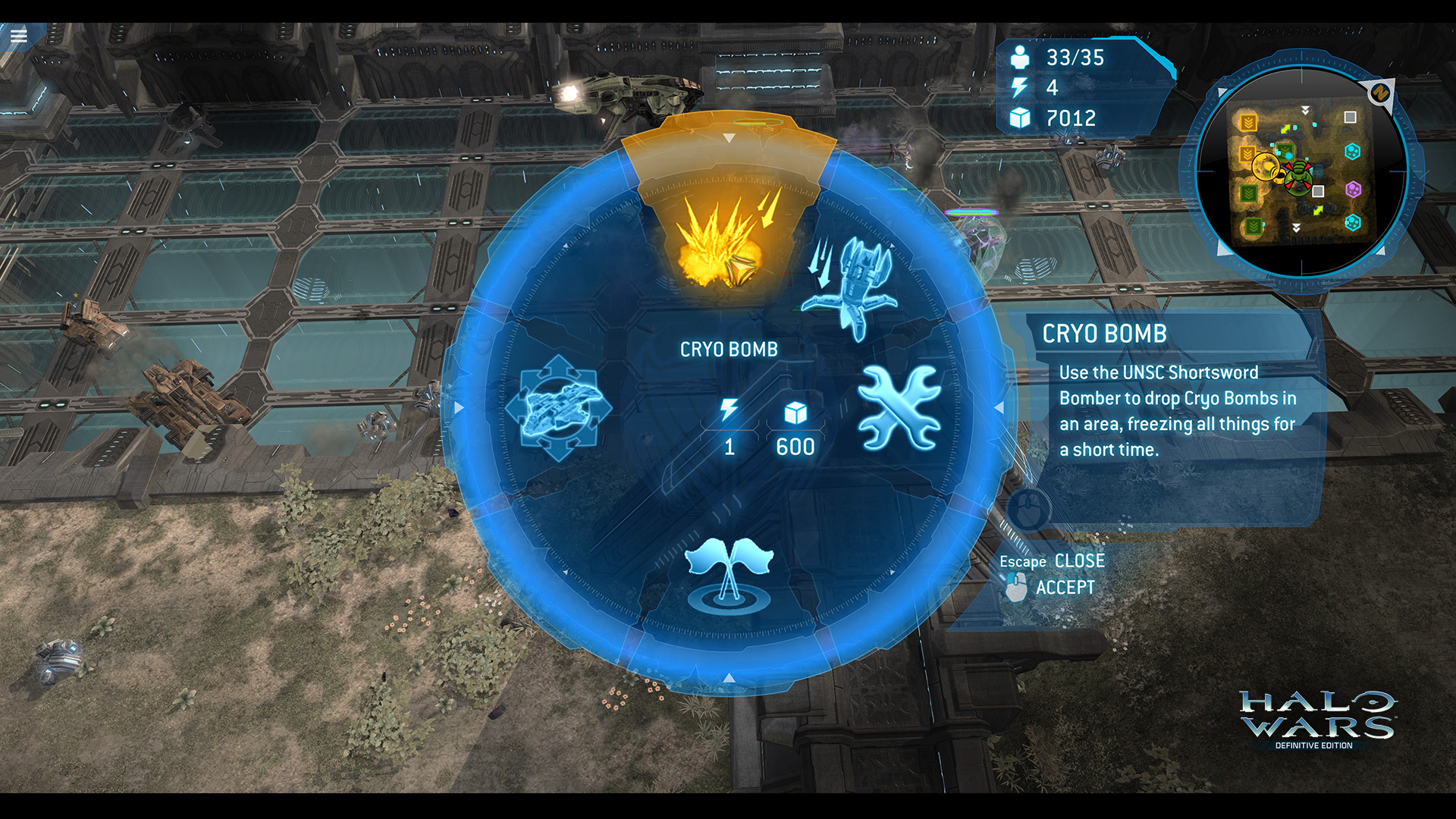
The return came through the game, rather than the old studio
Halo Wars: Definitive Edition gave the original another route to players. Xbox’s April 2017 announcement described native Xbox One and Windows versions with improved graphics, extra achievements and the original game’s DLC. Its standalone release also brought the game to Steam.
That package matters as more than a resolution bump. It made an older console strategy game available in a form built for later hardware, with mouse-and-keyboard controls on PC. Someone interested in the original’s ideas no longer had to treat a used Xbox 360 copy as the only possible doorway.
The screenshots in this article show that commercially released PC Definitive Edition. They are useful evidence of the game’s later life, rather than pictures of Ensemble’s development process. The difference is worth keeping visible: a reissue preserves and adapts the work; it does not restore the original workplace or undo the closure.
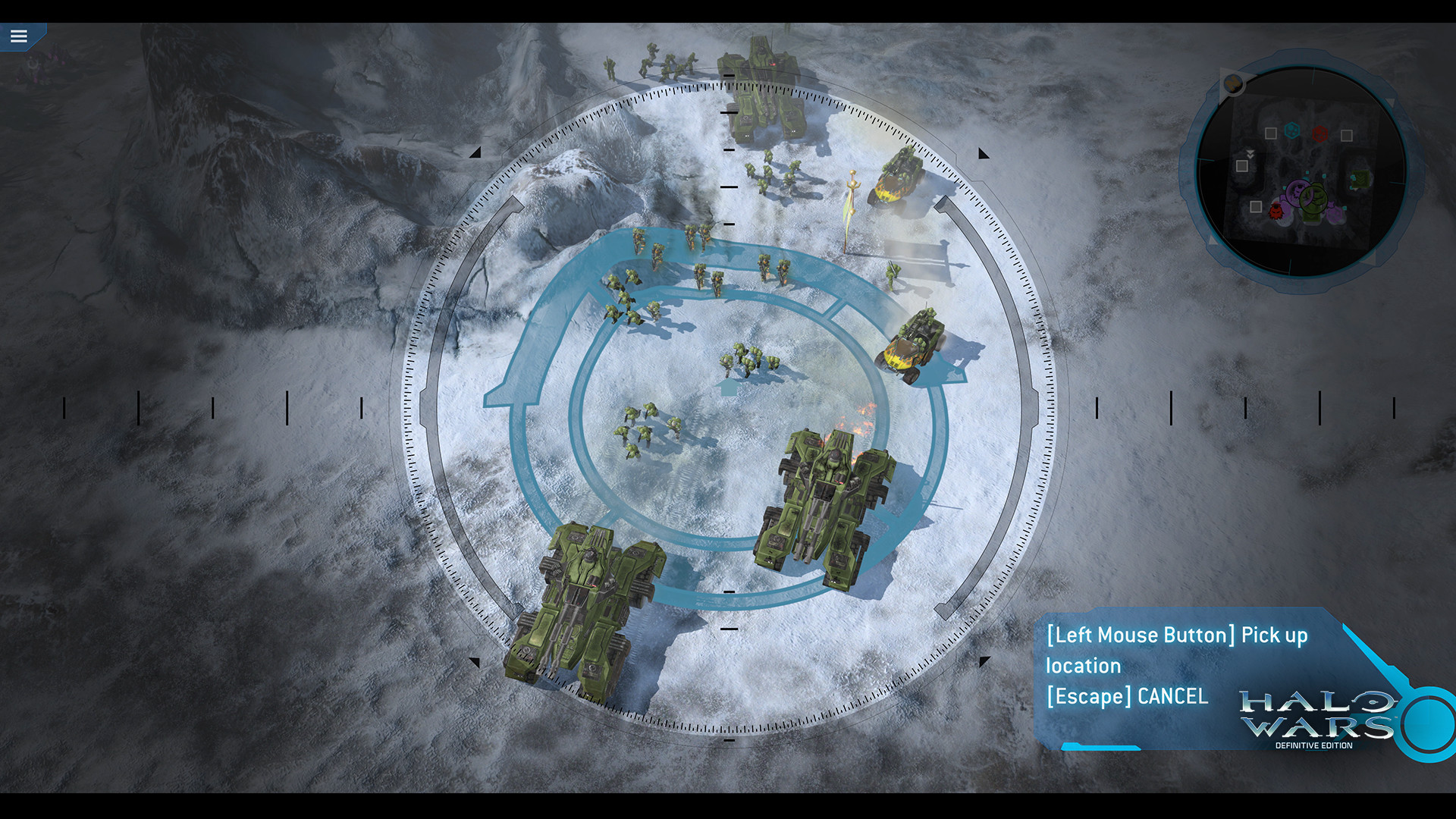
A surviving game can still have several different doors
The current Steam listing identifies Ensemble Studios, Behaviour Interactive and 343 Industries in its developer credits. It also warns that Steam network play is separate from the Windows Store version. Even a game that has survived into another release can accumulate distinctions that matter when people try to meet inside it.
For a solo player, the campaign may be the main attraction. For friends arranging a session, the exact edition and storefront become part of the plan. A shared title is not enough information. This is one reason the game’s history should include the practical details of its return, instead of ending with the comforting phrase “it got remastered.”
Our edition and storefront guide handles that purchasing question. The larger point here is that preservation is work. Bringing a game forward can widen access while leaving players with new compatibility questions. The second life needs its own instructions.
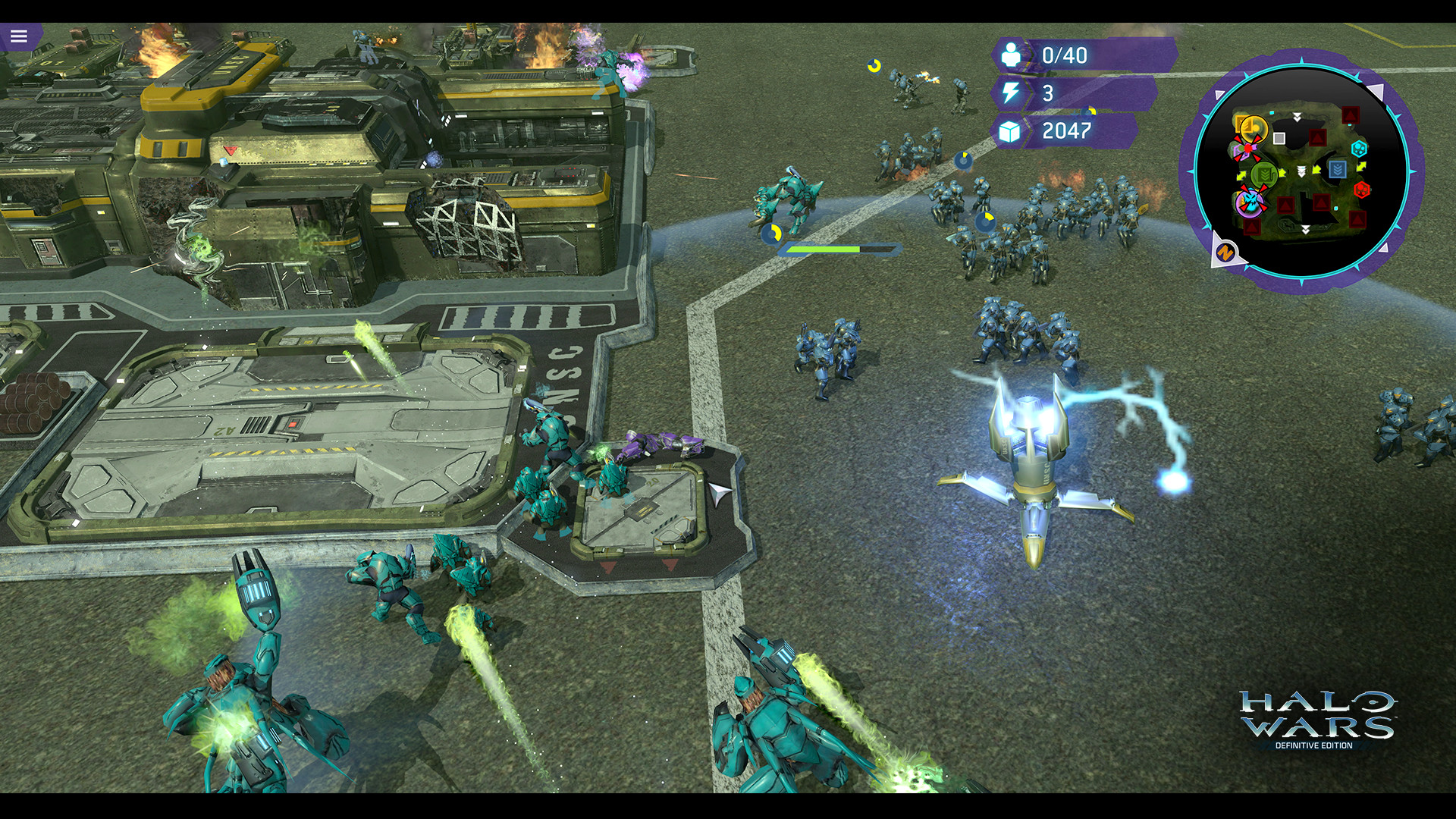
The legacy is stronger when the uncomfortable part stays in view
Halo Wars makes a poor example of a game that simply disappeared. The original reached players, its characters and conflict remained part of Halo, and Definitive Edition gave its strategy another commercial life. Xbox’s 2017 retrospective specifically connected familiar characters from the original with their return in Halo Wars 2.
It makes a much sharper example of why a game’s survival and a studio’s survival are different measures. You can appreciate the army on screen and still recognize what was lost when the team’s organization closed. One does not cancel the other out.
That is the reason to revisit this particular WTF story. The closure was announced before the audience’s verdict, the game was finished anyway, and later teams helped carry it forward. Start a battle today and you can still see the work. The studio behind that first release remains part of the story every time its name appears in the credits.
Make room for the next game
Check Zypher’s listing for the original physical release for its platform, condition and included contents. The screenshots above are identified by edition in their captions.
Find your next play at Zypher Trading Video Games, or sell your old games to Zypher when your shelf needs room.
Sources: Microsoft’s closure statement in contemporary Game Developer reporting; Shacknews reporting on Bruce Shelley’s account; Xbox’s 2017 standalone release announcement; Xbox’s original-game retrospective; Current Steam edition and network restrictions. Gameplay recommendations and design interpretation are Zypher editorial judgment. Screenshots retain their original proportions. Zypher is an independent retailer.


