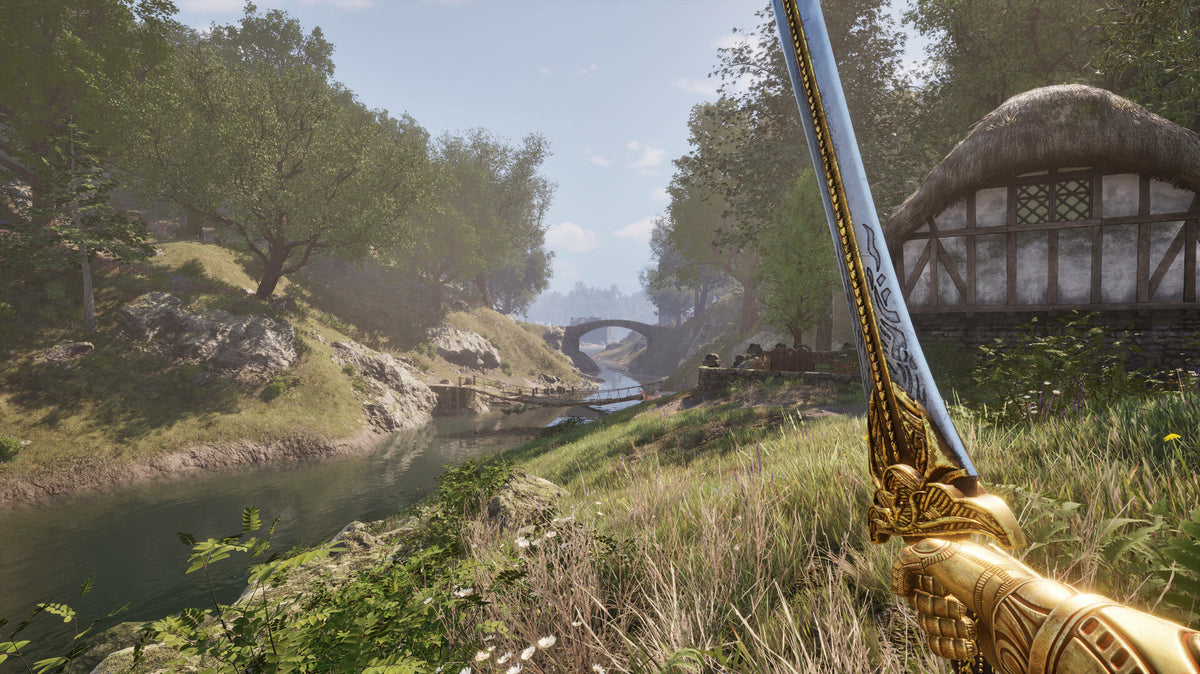
The road out of the Imperial City can keep offering distractions long after your character is ready to level up. A cave, another conversation, one more locked chest. Meanwhile, a little bronze notification is waiting for you to do something considerably less heroic: find a bed.
In The Elder Scrolls IV: Oblivion Remastered, using skills builds progress, while sleeping completes the level-up. That familiar final step sits inside a revised progression system. If you are returning with a very old build guide in your head, separate the parts you remember from the rules this edition actually uses.
Skill progress and character level are different stages
Bethesda’s Remastered support guide confirms that both Major and Minor Skills contribute toward character-level progress. Major Skills contribute faster. When enough progress has accumulated, a bronze symbol appears near the top-right of the screen.
You then need to sleep to increase the character’s level. The same guide notes that more than one level can be waiting if you have continued improving skills without sleeping. Seeing the readiness symbol and finishing the level are therefore different events.
Our recommendation is to notice the prompt and make a conscious decision about your next stop. Treating every interruption as something to dismiss makes it easy to forget that an upgrade is available. A brief rest can belong in the same preparation routine as checking equipment and supplies.
Spend the points for the character you are using
At a level-up, the official guide describes twelve Virtue Points for attributes, with allocation limits shown by the system. Read the choices in that screen rather than assuming an old efficient-leveling spreadsheet applies unchanged.
A useful way to approach the menu is to name what your character actually lacks. Is your preferred combat approach struggling? Are you repeatedly running out of the resources it uses? Choose an attribute improvement for a recognizable need, then pay attention to the result after leaving the bed.
This is especially helpful when you enjoy more than one activity. Opening locks, bargaining and fighting all make the character feel like a person with a broad routine. The next attribute decision should still support the adventurer who has to survive the next encounter.
A busy character is not automatically a prepared fighter
Bethesda warns that enemies scale with character level. Its support example is a character who advances Mercantile rapidly without improving combat capability. The level number can rise while the practical ability to handle a fight falls behind.
That is a reason to inspect your overall preparation, not a demand to stop enjoying noncombat skills. Look at the attacks, defenses and resources you actually rely on. If a difficult encounter has exposed a weakness, spending another evening exclusively improving an unrelated skill may not answer it.
For a return visit, use a small comparison. Note what went wrong in a fight, improve one relevant part of your character or equipment, then try another manageable encounter. A specific observation is more useful than the vague feeling that the game suddenly became unfair.
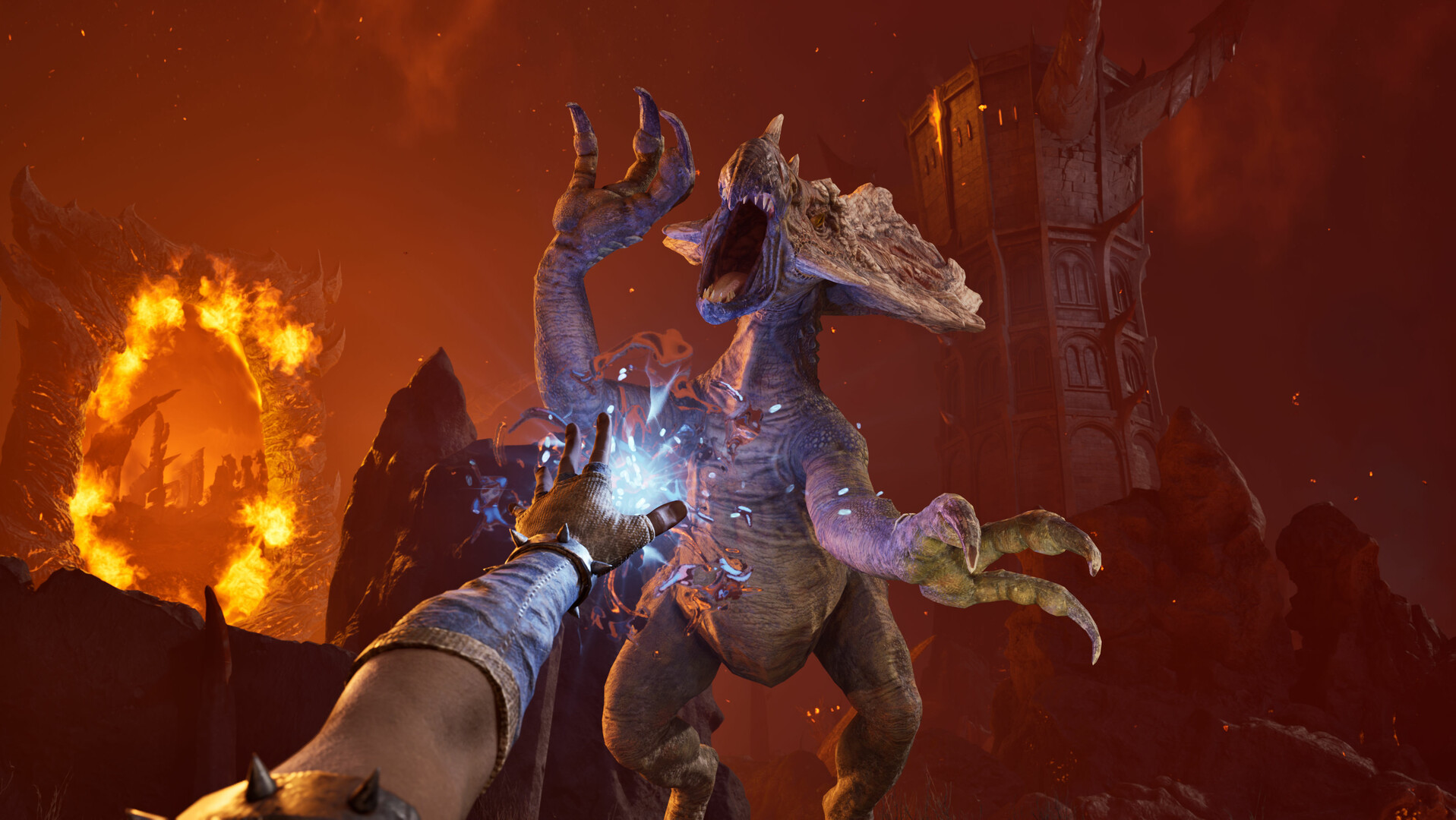
Difficulty has its own controls
The July 16, 2025 Update 1.2 notes document separate Player Combat Damage and Enemy Combat Damage adjustments, with options from Novice through Master and a Journeyman setting between Adept and Expert.
Those settings address the feel of combat independently of your attribute choices. If you want to change how punishing an encounter is, inspect the relevant damage option. If you want to develop a different character, work with skills and attributes. They can affect the same fight while serving different purposes.
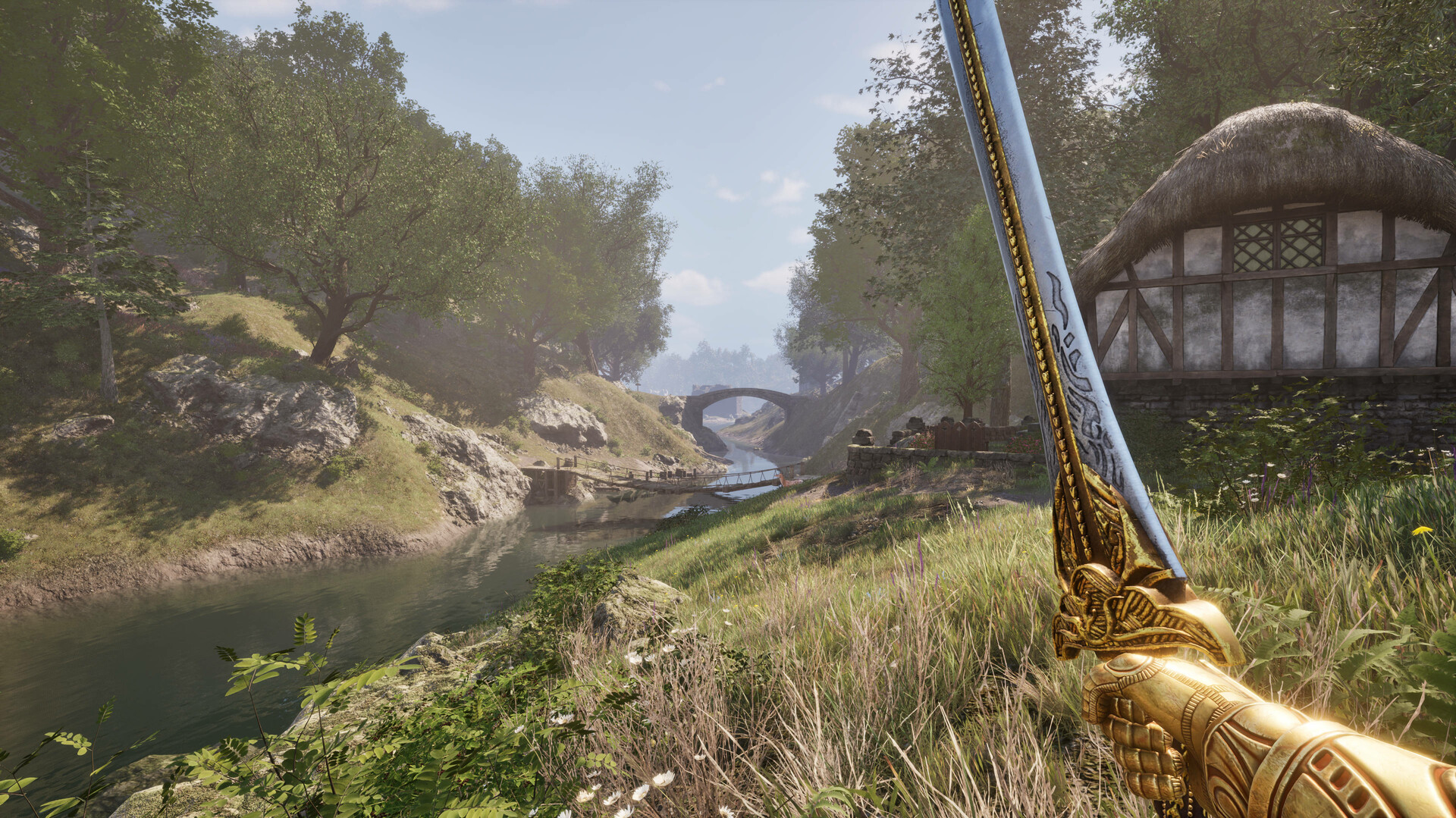
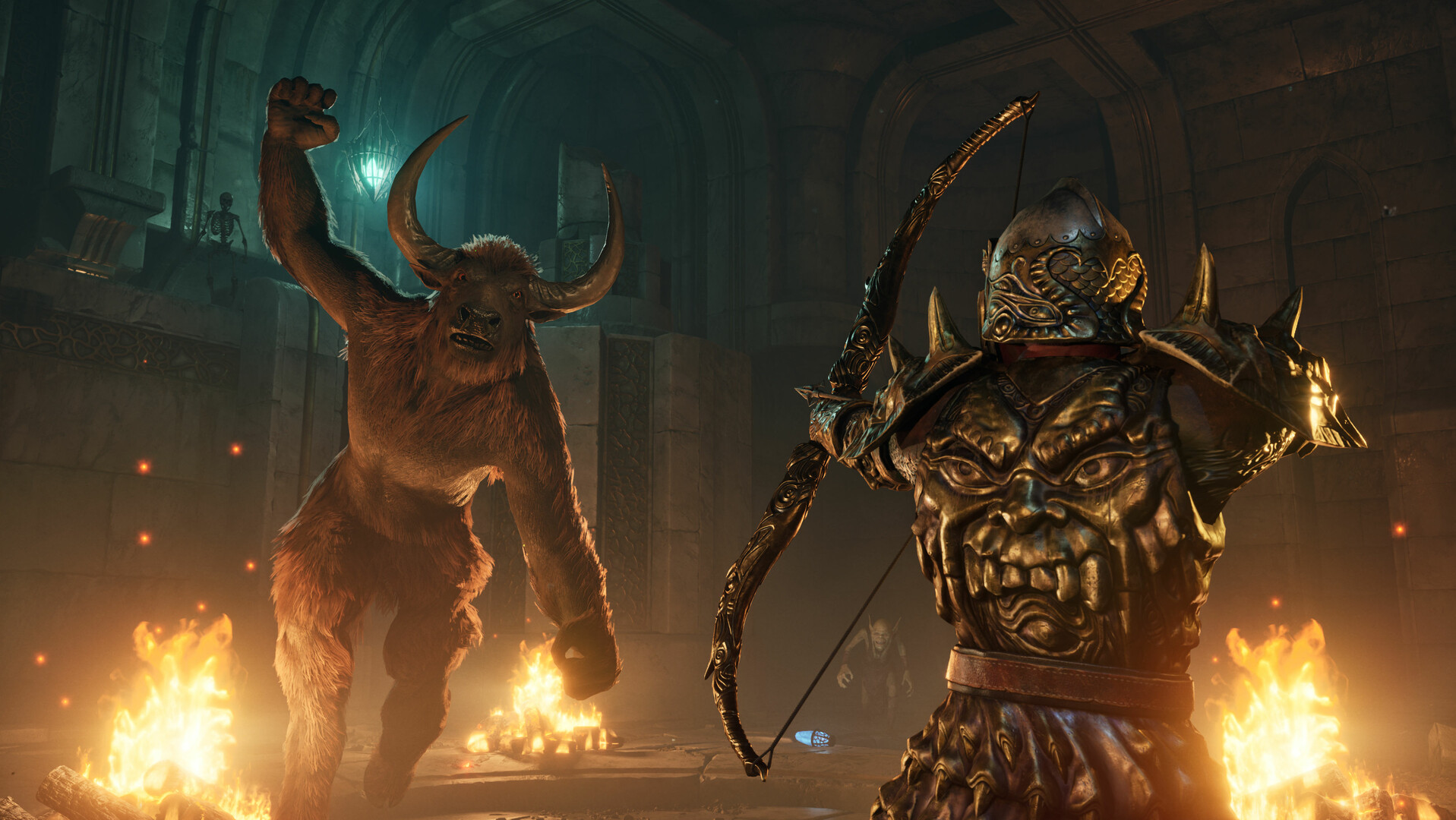
We would change one setting at a time and return to a familiar situation. That gives you a chance to judge the adjustment. Moving several sliders and replacing equipment at once makes it difficult to tell which change produced the experience you wanted. This guide concerns the updated PC Remastered release pictured here.
Keep the remaster distinct from the original disc
Bethesda’s launch overview explicitly identifies a revised leveling system alongside sprinting, redesigned presentation and other changes. The current PC listing identifies the game as Oblivion Remastered and includes the previously released story expansions.
An Xbox 360 copy of the 2006 game is still a different edition. Our original Oblivion magic guide is labeled for that release. Use the same care when following any older advice about progression.
For your next trip into Cyrodiil, keep three questions handy: have your skills made a level available, have you slept to complete it, and does the next choice help the way you fight? Then get back to the cave that interrupted your sensible plan for an early night.

Find your next game at Zypher
Browse Zypher’s current game selection for your next adventure. If your shelf needs room, check our trading and selling information before sending games in.


