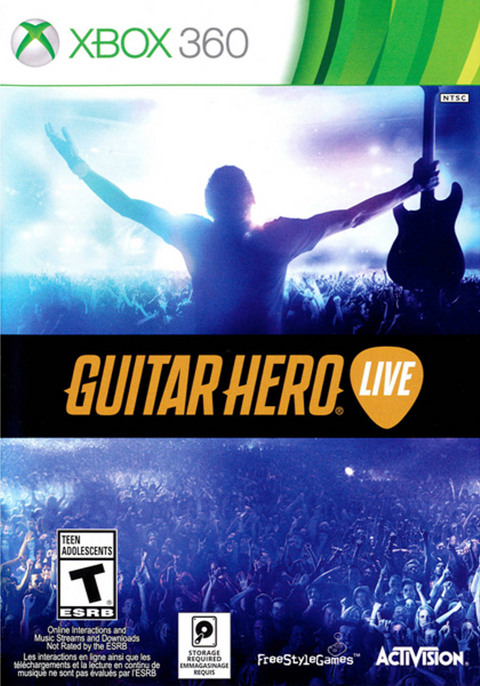
Guitar Hero Live tried to make a plastic guitar feel like a ticket to an ongoing music channel. That was the exciting part. It was also the part you could not keep on the shelf.
Today, the important distinction is between GH Live, the console performance mode Activision says continues to operate, and GHTV, the service it shut down on December 1, 2018. The controller did not become imaginary. The online music network stopped being available. Anyone buying the game deserves that explanation before the opening riff.
The comeback changed more than the fret buttons
Activision’s October 20, 2015 launch announcement presented FreeStyleGames’ revival around two experiences. GH Live put the player in a filmed, first-person performance, with the crowd and band reacting to how the player performed. GHTV offered playable music videos through channels and on-demand selections.
Those were very different fantasies. GH Live asked you to handle the pressure of being onstage. GHTV proposed a musical destination you could keep returning to as the selection changed. Our take: that second idea was a clever answer to the problem of a rhythm game becoming overly familiar. Discovery could become part of playing, rather than homework you did before choosing a song.
The promise also changed what “having the game” meant. A physical copy could sit in a collection, while a major advertised experience depended on a separately operated network. That distinction is easy to overlook when the box and guitar are right there in front of you. Cardboard has excellent uptime. It does not run servers.
Six buttons meant learning a new instrument
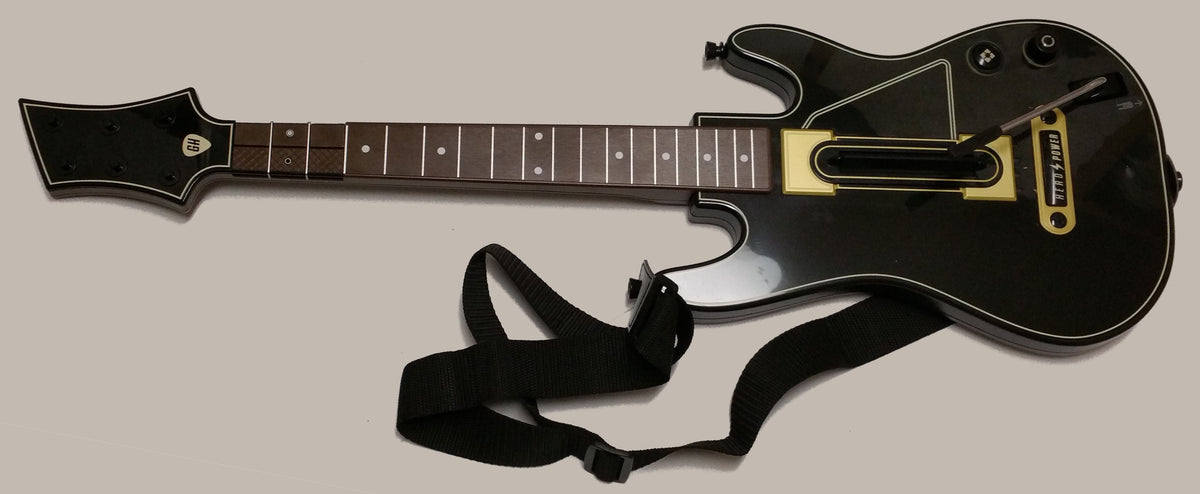
The new controller replaced the familiar single row of five colored fret buttons with two rows of three buttons. This was a change to the way notes and combinations were handled, not just a different paint job.
As a design choice, that makes the revival more interesting to revisit than a simple greatest-hits package. It gives an established player a new layout to learn. As an ownership question, it creates a boundary: Activision’s controller guidance says older five-button Guitar Hero controllers do not work with Live. The console receiver also needs to match the console. Familiar branding is not a compatibility chart.

For a complete platform and equipment buying checklist, use our Guitar Hero controller compatibility guide. Here, the bigger question is what happened to the experience that equipment was built to access.
The commercial result fell short of the pitch
There is a documented business warning before the eventual shutdown. In its 2015 financial results, Activision Blizzard said Guitar Hero Live and Skylanders SuperChargers performed below expectations. The company gave a combined explanation for those casual titles involving competition in toys-to-life and a shift of casual audiences toward mobile devices.
That is the publisher’s assessment, not proof that every player left for a phone game. It also does not establish a specific licensing dispute, operating cost or single cause for the later GHTV shutdown. The announcement does not supply that missing explanation.
Our interpretation is narrower: a bold redesign and an ongoing content proposition did not guarantee the commercial result Activision expected. The hardware change could give the game a fresh identity, but freshness and a durable business are separate achievements. The financial statement supports the disappointing outcome. It does not tell us what each disappointed buyer thought.
December 2018 took GHTV out of the game
Activision’s GHTV termination notice supplies the decisive dates. In-game purchases were turned off on June 1, 2018. The GHTV servers and service ended on December 1, 2018, taking the mode’s content and features out of play. Hero Cash and associated items could no longer be used after that shutdown.
The same notice explicitly separates console GH Live from GHTV and says GH Live continues to operate. So “the entire game is dead” is too broad, while “everything on the old marketing still works” is plainly wrong. The surviving console mode and the discontinued network need to be described separately.
That loss matters because GHTV was part of the original reason to be interested. Its appeal was a continuing music-video destination. When the destination closed, keeping the physical software and instrument did not preserve that service. A sealed copy cannot reopen a closed network either, however impressive the shrink-wrap looks.
What is worth keeping now?
For a player, the question is whether the surviving console GH Live experience interests you on its own. For a collector, the six-button instrument and the game document an unusually determined attempt to reinvent a recognizable series. Those are useful reasons to consider it, without pretending GHTV is hiding behind a menu option.
Judge a purchase around that surviving experience and the actual equipment included. Do not pay for an expectation of access to the discontinued service. Its appeal as a collection piece is the unusual design and the history attached to it, not a promise that the missing service will return.
Find your next rhythm-game project at Zypher
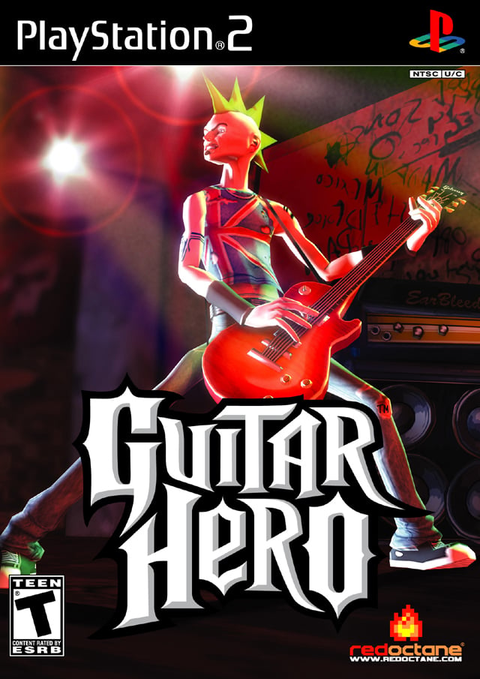
Buy your physical games from Zypher Trading Video Games. Check our Guitar Hero Live for Xbox 360 listing, or explore the earlier Guitar Hero for PlayStation 2. These are different games and controller generations. Read each listing’s selected condition and included contents; do not assume a guitar or receiver is included.
Shop Zypher’s games, or sell your old games to Zypher.
Sources and native listings checked November 2, 2026, America/Denver. Featured controller photograph: Masem, CC BY-SA 4.0; unaltered photograph, displayed responsively. Photographs illustrate hardware types, not tested Zypher stock. No photographer or publisher endorsement is implied.