Transistor can look like a game that wants an immediate answer: Red, an oversized weapon and a hostile futuristic city. Its more interesting invitation is to stop treating every encounter as a test of how quickly you can improvise.
Supergiant describes the game as combining strategic planning with real-time action. That combination gives a fight two different rhythms. There is the pressure of moving through the scene, and there is the chance to consider what you want the next sequence of actions to accomplish.
This feature concerns the original Transistor, first released on PlayStation 4 and PC in May 2014. Its official screenshots include pre-release promotional captures, so their interfaces should not be treated as documentation of every current menu or control binding.
A plan needs a purpose before it needs more actions
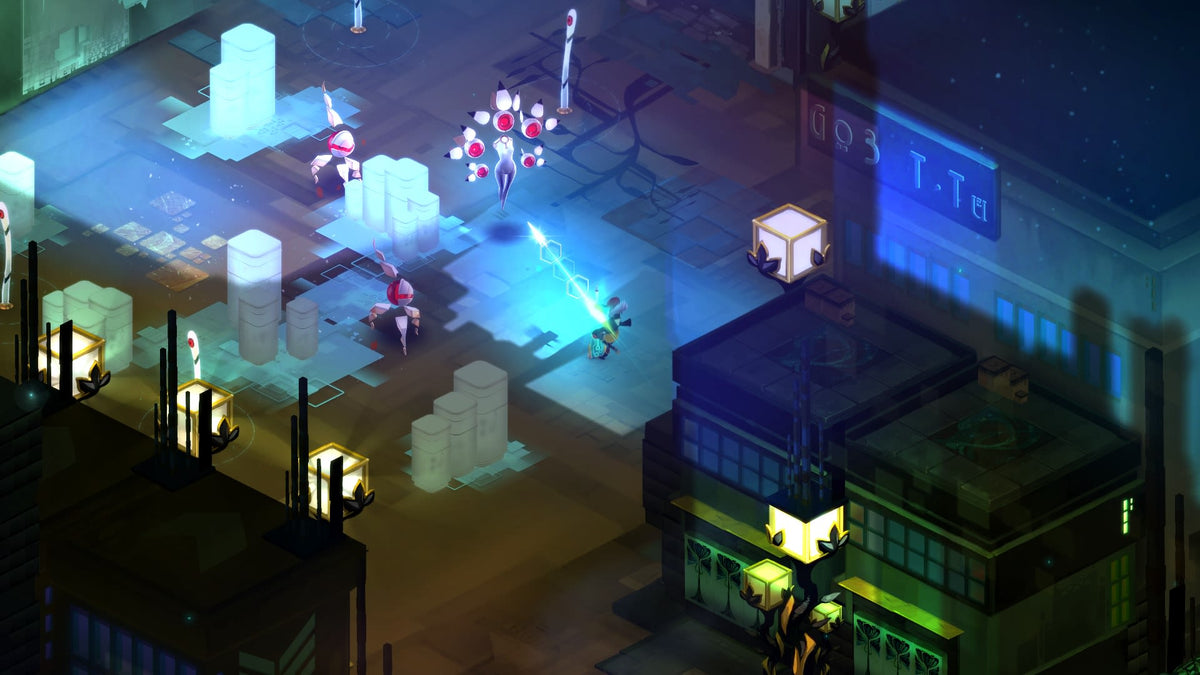
Turn() stops the action around Red while you plan movement and attacks, then executes the sequence when you commit. PlayStation Blog's original hands-on account described both movement and attacks drawing from the planning meter, followed by a recharge period after the sequence. That rhythm makes the position where you finish part of the decision, too.
Start with the outcome you want. Remove one particular threat, create room to move, or deal with a group that is making another part of the encounter awkward. Then leave Red somewhere you are willing to defend while the next opportunity to plan recharges. A full meter of attacks is less impressive if the finish puts her in a miserable corner.
The official combat captures make that spatial question visible. Red and the enemies do not sit on an empty board. Walls, open paths and objects divide the scene. A useful plan responds to that arrangement instead of imagining every fight as a list of targets waiting patiently for their turn.

A changed function combination should answer a changed problem
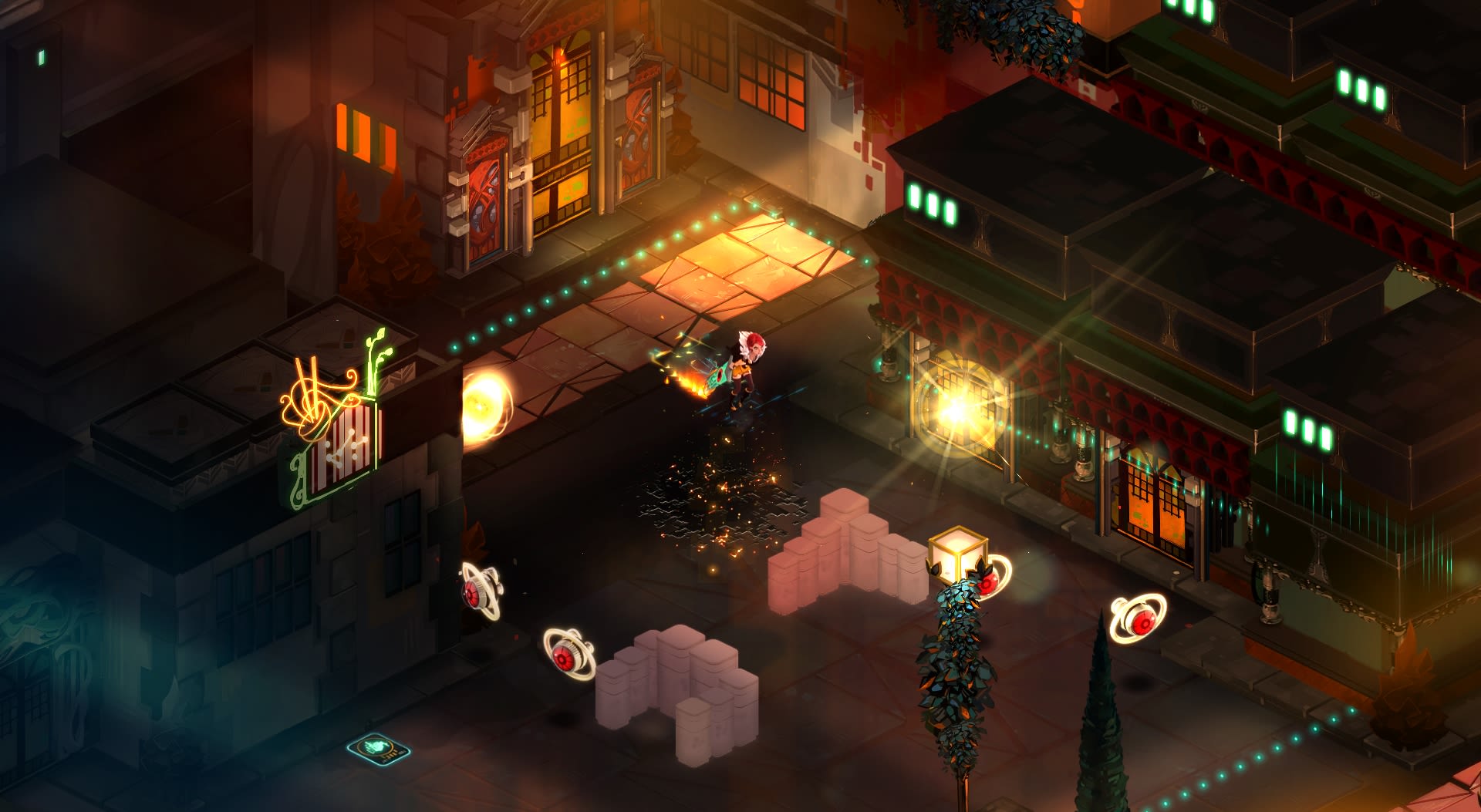
In its explanation of Recursion mode, Supergiant says the game's function combinations continue opening up through a first playthrough. That is a reason to revisit an assumption about your setup, rather than a demand to abandon everything each time something new becomes available.
When trying a change, choose an encounter you can describe. What was making it awkward before? Which part of the new combination is supposed to help? If you cannot name either, the next result will be harder to interpret.
Keep an arrangement long enough to understand its purpose, then adjust the part that is not doing useful work. This is a suggested way to learn the system, not a universal best build. The pleasure is in finding relationships you can explain, rather than copying a configuration whose success remains mysterious.

The enemies are meant to work together
Creative director Greg Kasavin described the Process as a faction with complementary enemy roles. That gives target selection a more useful question than simply asking which health bar is closest to empty.
Consider which enemy is making the others difficult to handle. A threat can matter because of the space it occupies, the support it provides, or the way it changes your movement. Reading those relationships is part of deciding what the plan should accomplish.
If a combination of Process enemies keeps causing trouble, change which role you address first before replacing the entire setup. The enemy at the far side of the arena may matter more than the one nearest Red. The planning pause gives you room to consider that relationship before the movement and attacks unfold.
Even the music changes how the pause feels
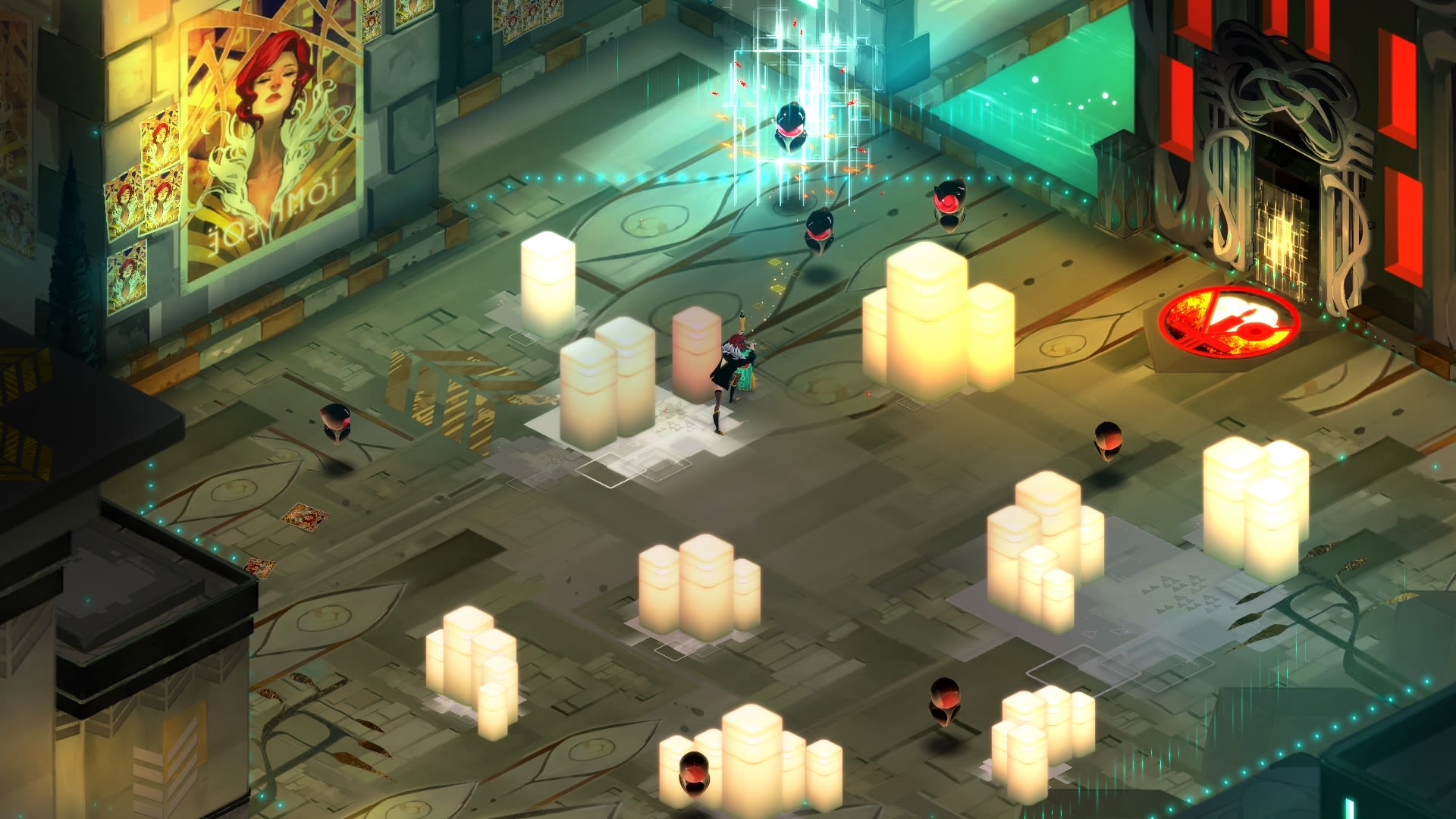
Audio director Darren Korb's 2014 account explains that Transistor's music uses multiple stems that can be manipulated separately. Entering Turn() applies an EQ filter and brings in a vocal track that is silent during real-time gameplay.
That is a specific implementation detail with an immediate expressive effect: the planning state has a different sound, rather than feeling like a detached overlay interrupting the same track. The game's change of rhythm reaches beyond the controls.
Korb also describes the ability to stop and hum, with Ashley Barrett providing the vocals. It is a small interaction to give a character in an action RPG, and a useful reminder that an available action does not always need to increase combat efficiency to belong in a game.
Let those quieter details have a moment. If you rush every transition looking only for the next encounter, you may miss how deliberately the game connects fighting, sound and atmosphere. You can care about an effective setup without treating the surrounding city as a corridor between tests.
Recursion is a reason to reconsider what you learned
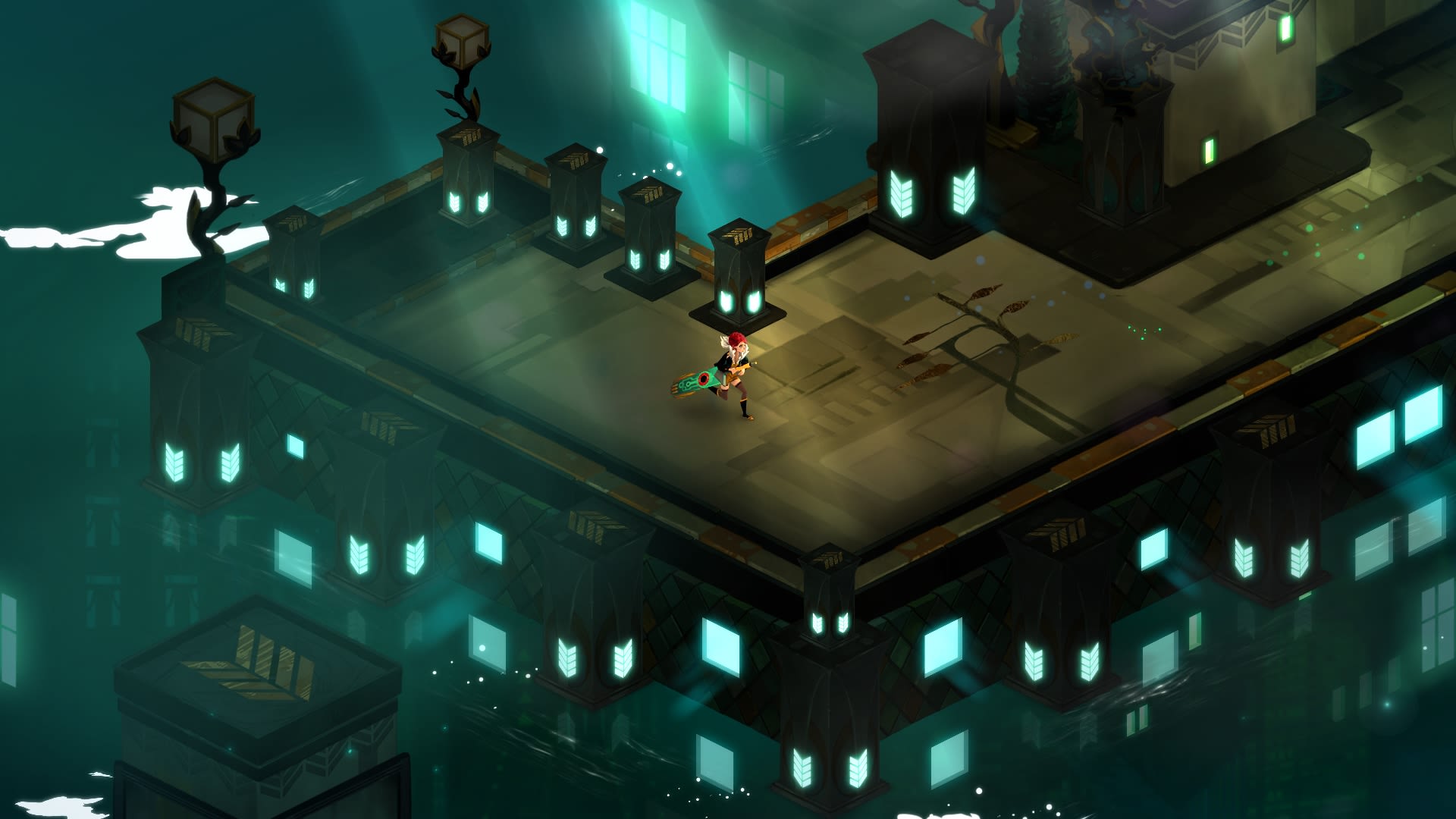
Recursion unlocks after finishing the story. Supergiant's original explanation says it retains progression including User Level and unlocked functions, giving a second journey a different starting set of possibilities.
That is useful if the combination system is what made the game click for you. A return need not be about reproducing the first journey more neatly. It can be a chance to ask what you would do differently with options that were not available at the beginning before.
For a first visit, let the game introduce its pieces without feeling obliged to solve a complete build in advance. For a return, bring a question you actually want to test. Transistor's planning space is most interesting when it changes the way you understand the fight, rather than simply making the next burst of action longer.

Plan the next addition to your shelf
Find another adventure in Zypher’s physical game collection, with the platform and contents clearly matched to your setup. You can check Zypher’s sell-your-old-games page before making room for the next one.
Sources and image credits
- Supergiant: Transistor FAQ and official media source
- PlayStation Blog: original hands-on account of Turn()
- Greg Kasavin: Recursion and complementary enemy roles
- Darren Korb: music stems, Turn() and humming
- Supergiant: official Transistor gallery
Unaltered screenshots released by Supergiant and offered through its official Transistor media page and FAQ. They are archival promotional captures, including pre-release material; exact capture platforms and builds are unspecified. The discussion of music is based on the audio director’s account, not reproduced audio. Sources and store links checked November 15, 2026. No publisher endorsement is claimed.


